Free Kindergarten Handwriting Worksheets
In kindergarten, children learn to form every letter and number correctly and start reading and writing their first words. These worksheets practice uppercase and lowercase letters, sight words, numbers to 20 and simple words — and you can turn any of them into practice with your own words. Ages 5–6
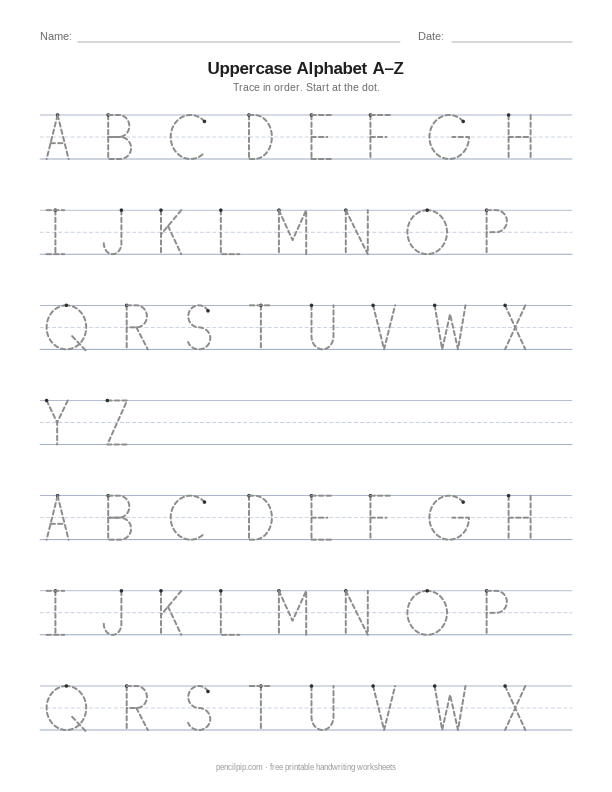
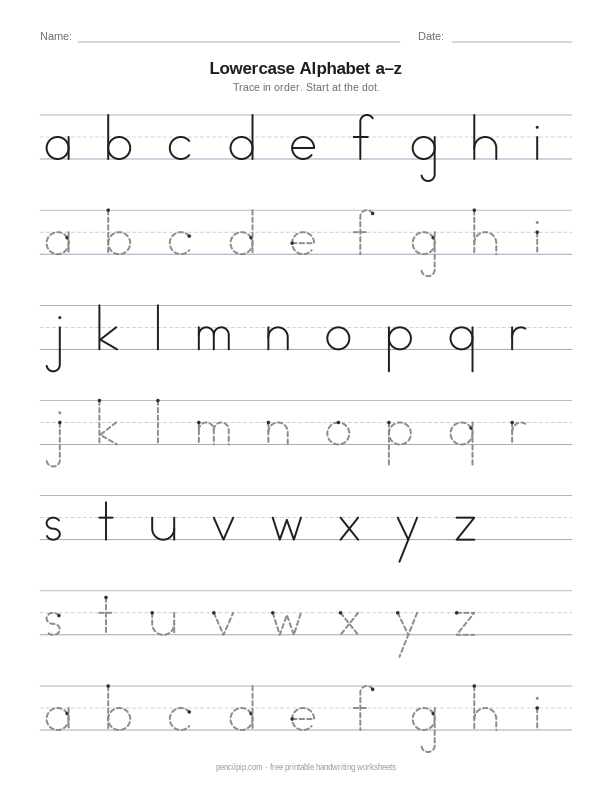
Letter Tracing A–Z Letters
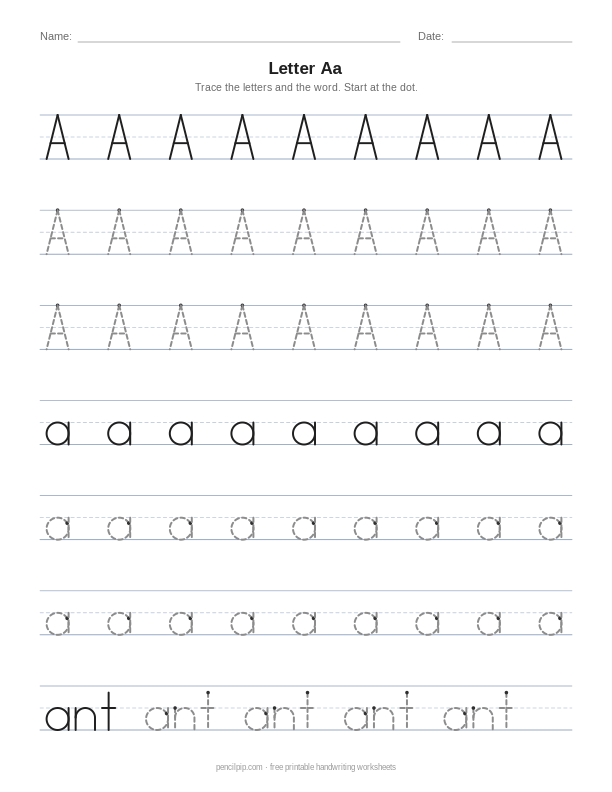
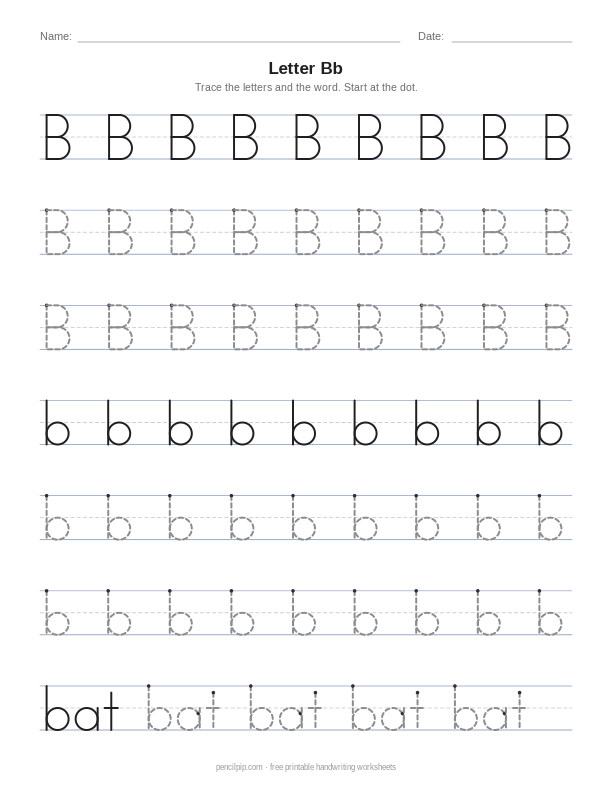
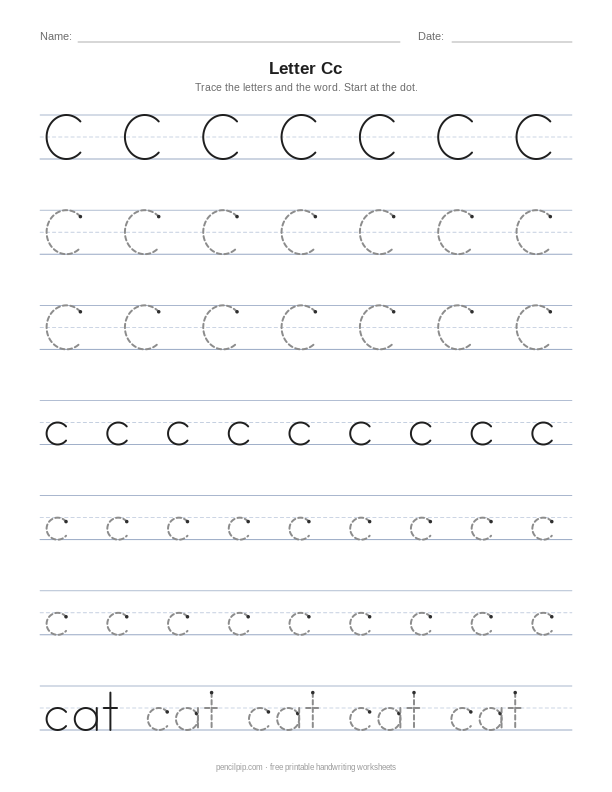
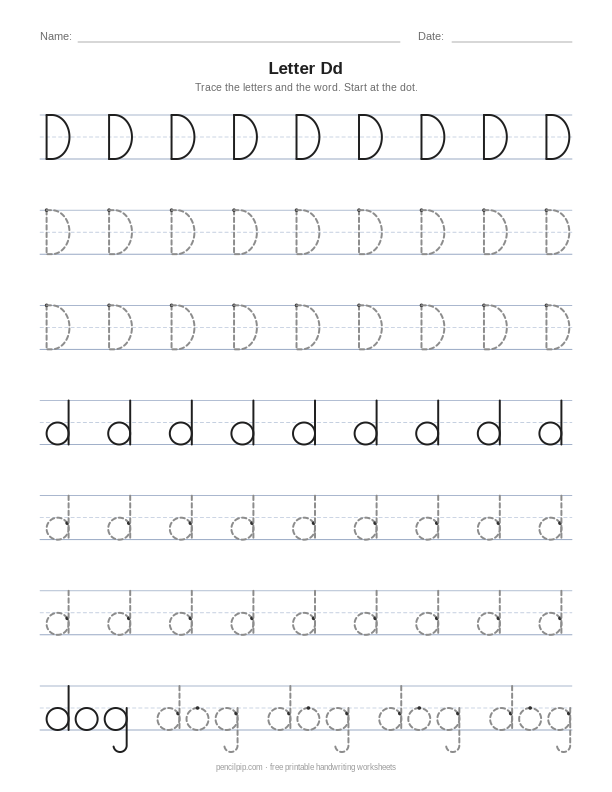
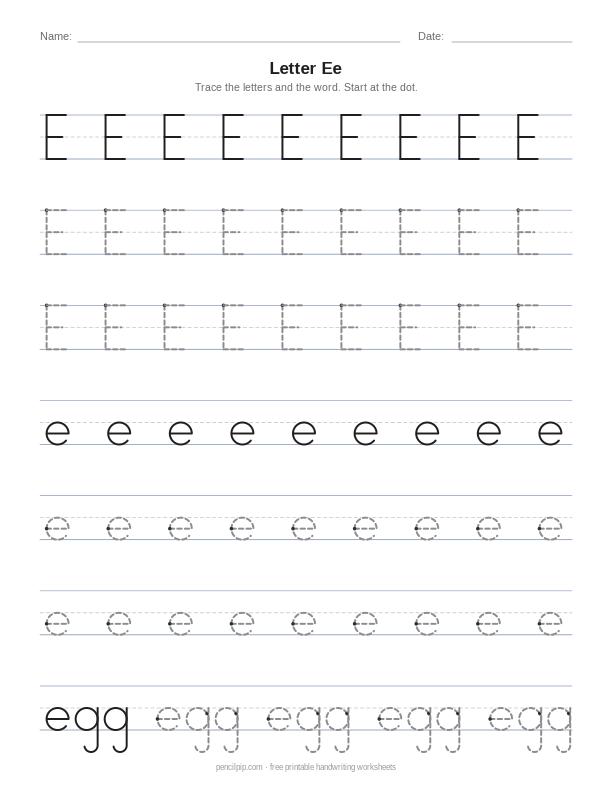
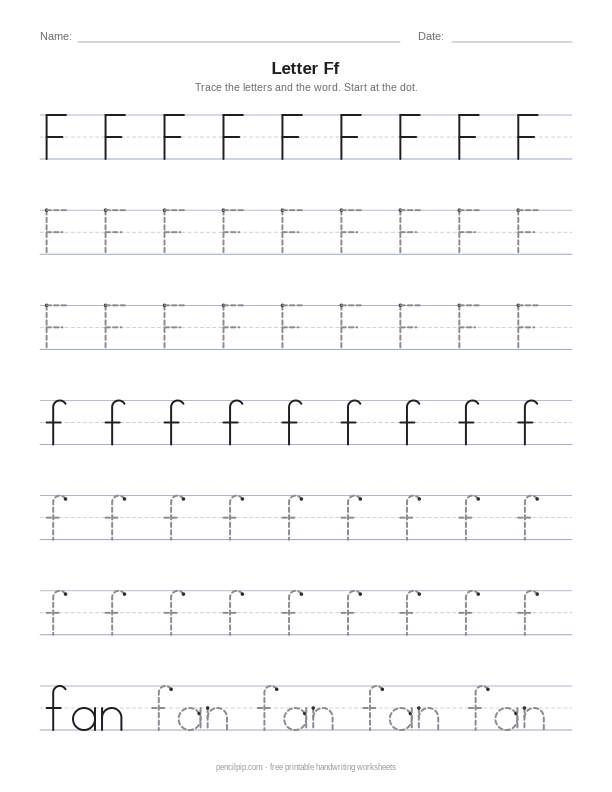
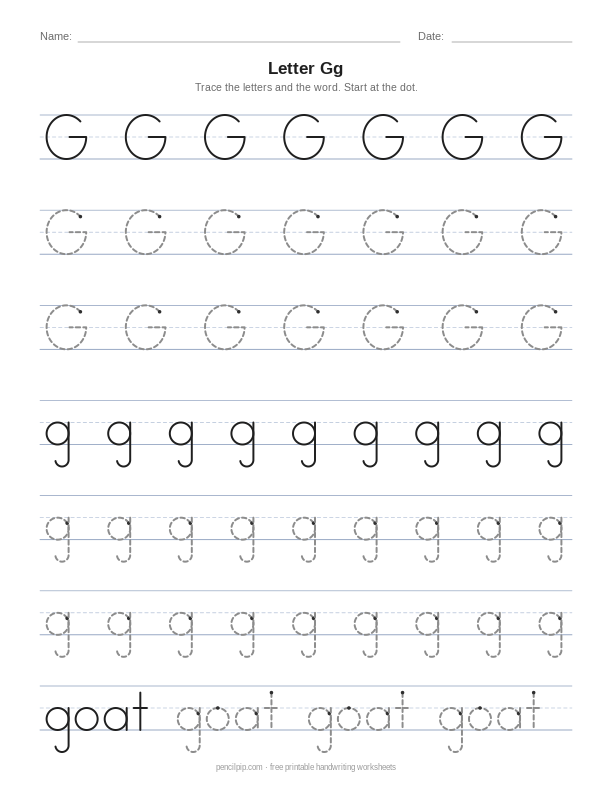
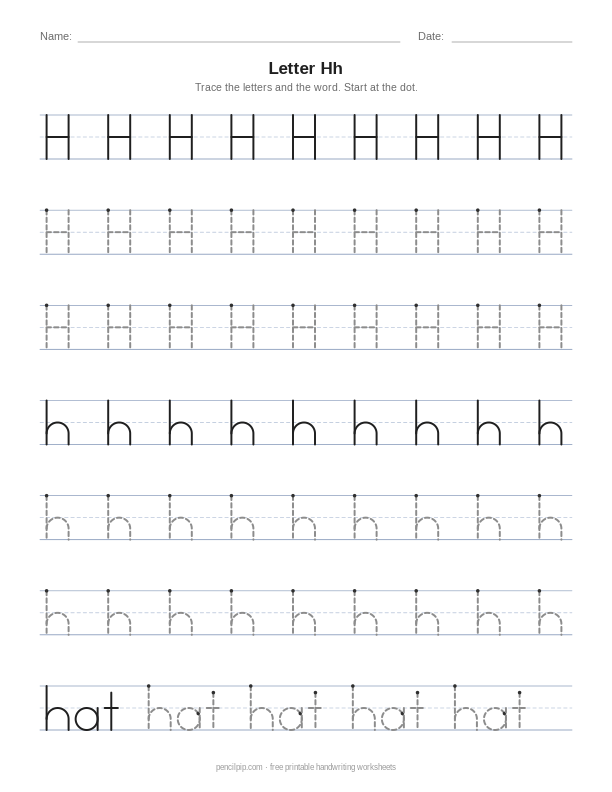
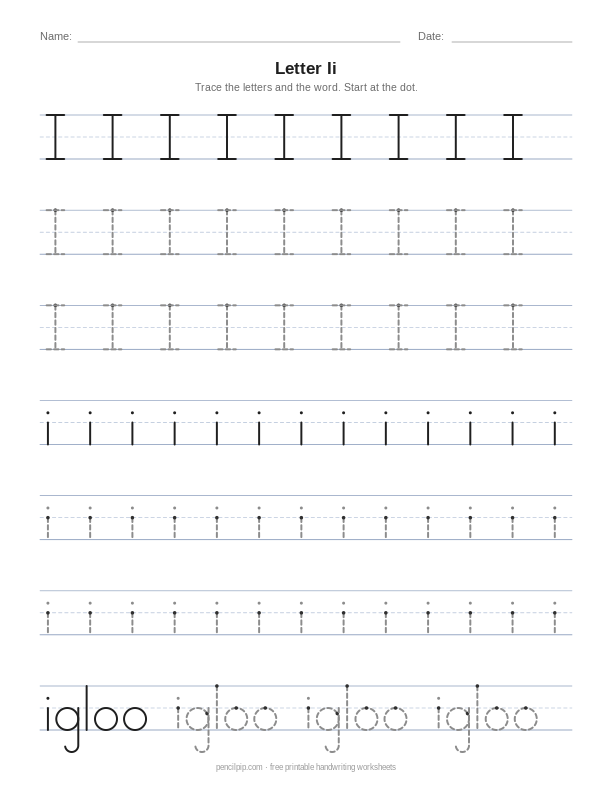
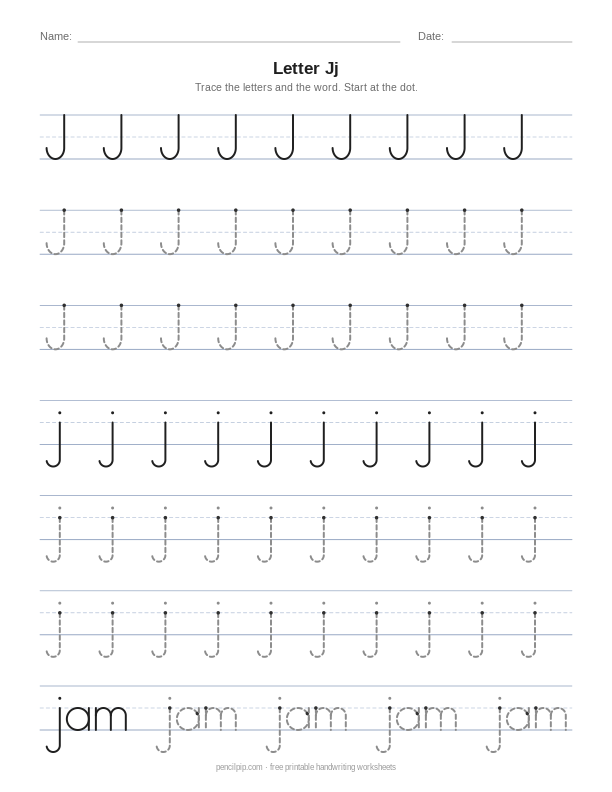
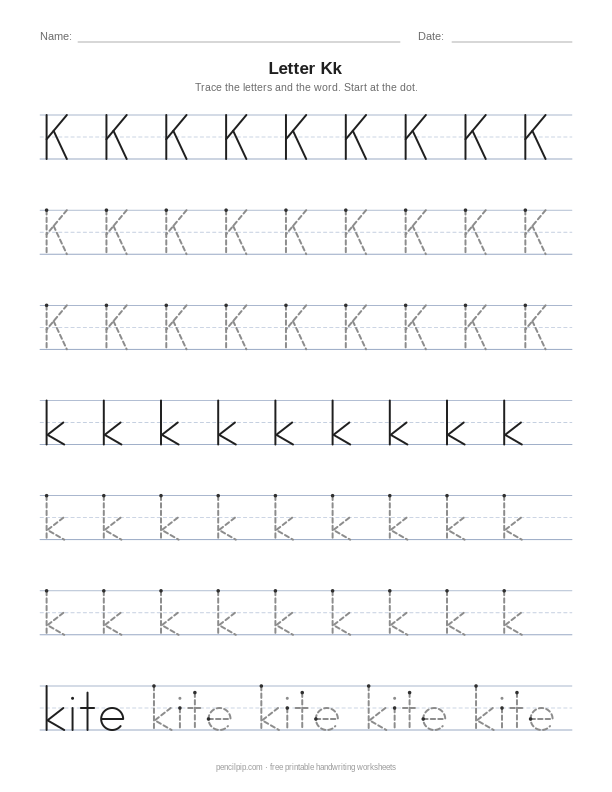
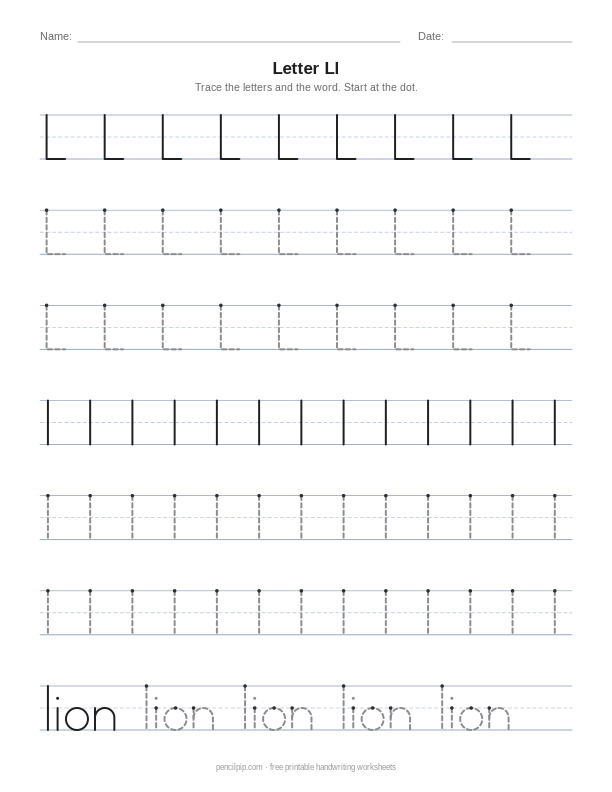
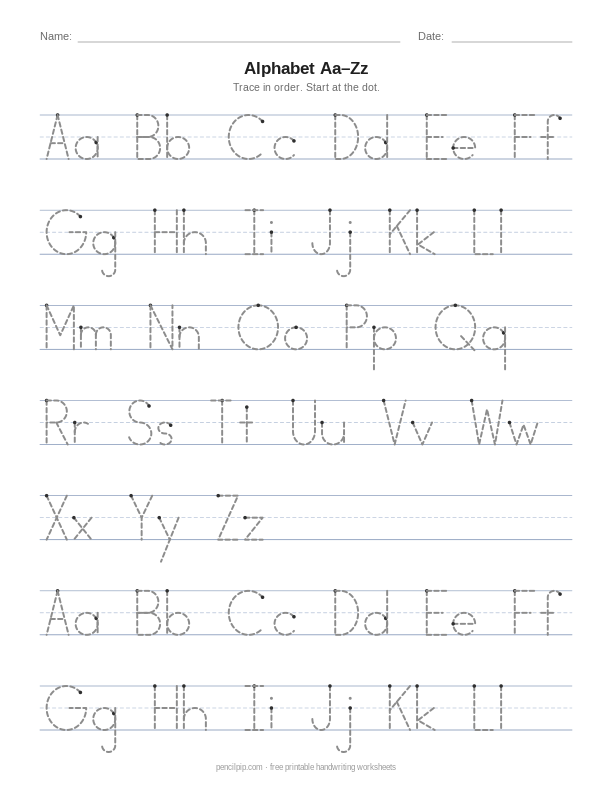
Alphabet Tracing Letters
Dolch Pre-Primer Sight Words
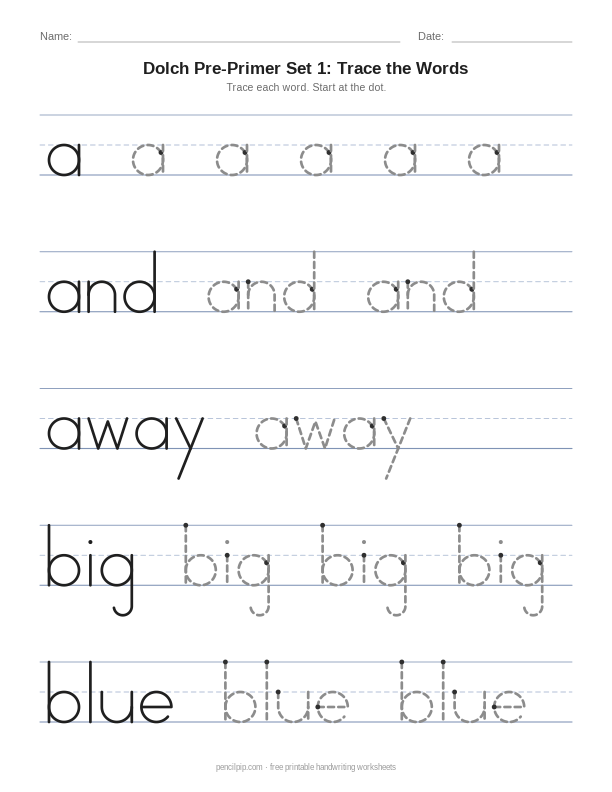 3 pagesDolch Pre-Primer Sight Words Set 1a, and, away, big, blue
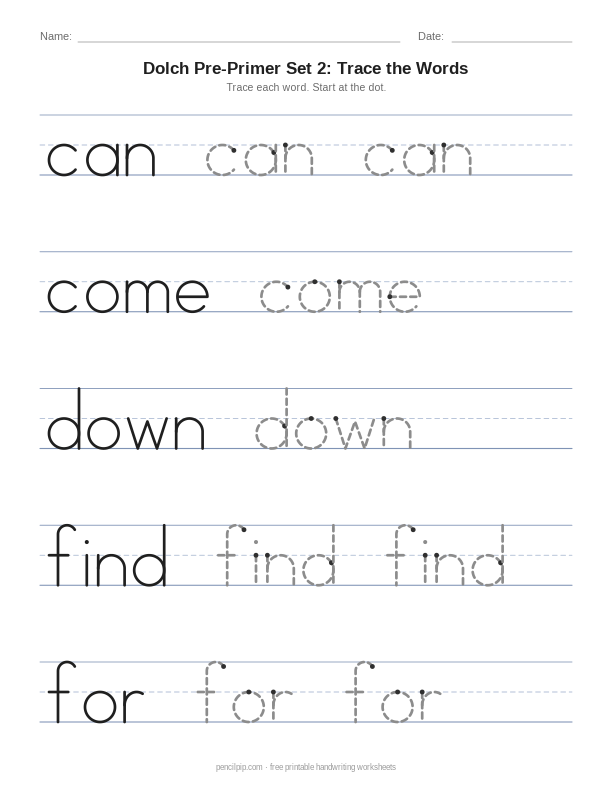 3 pagesDolch Pre-Primer Sight Words Set 2can, come, down, find, for
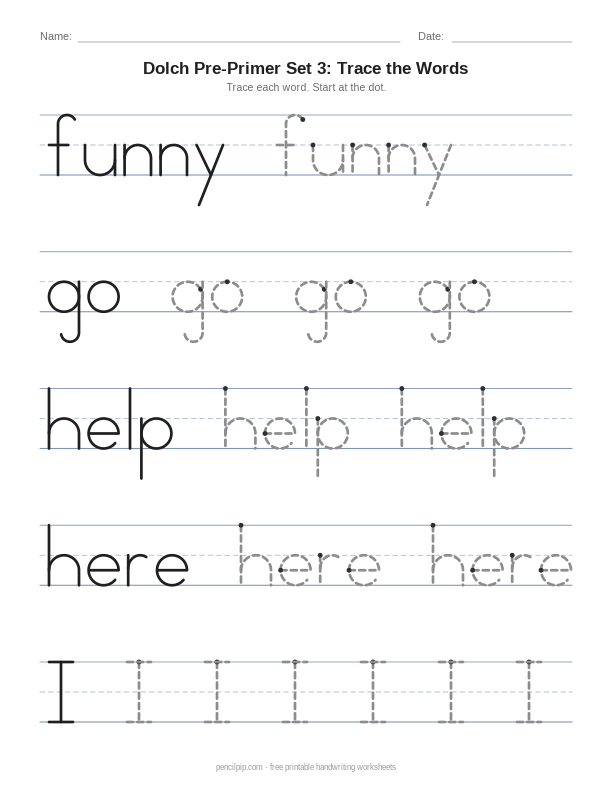 3 pagesDolch Pre-Primer Sight Words Set 3funny, go, help, here, I
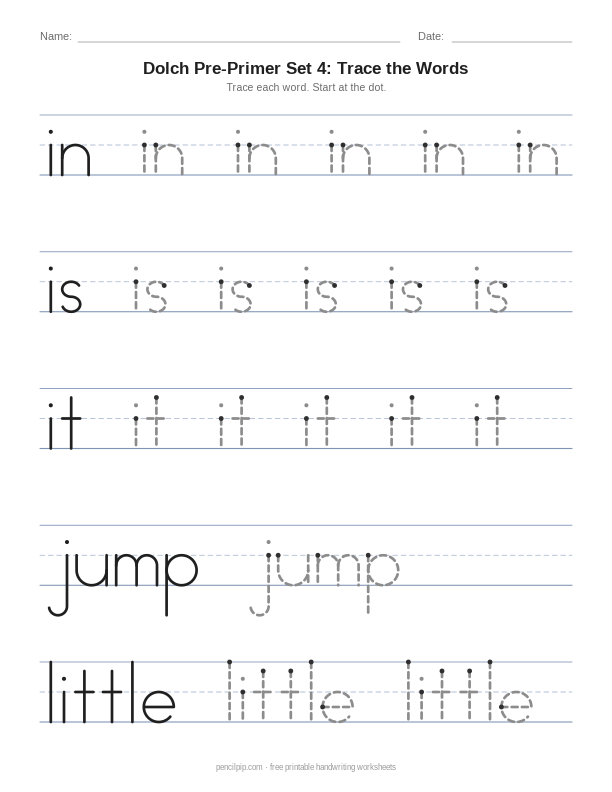 3 pagesDolch Pre-Primer Sight Words Set 4in, is, it, jump, little
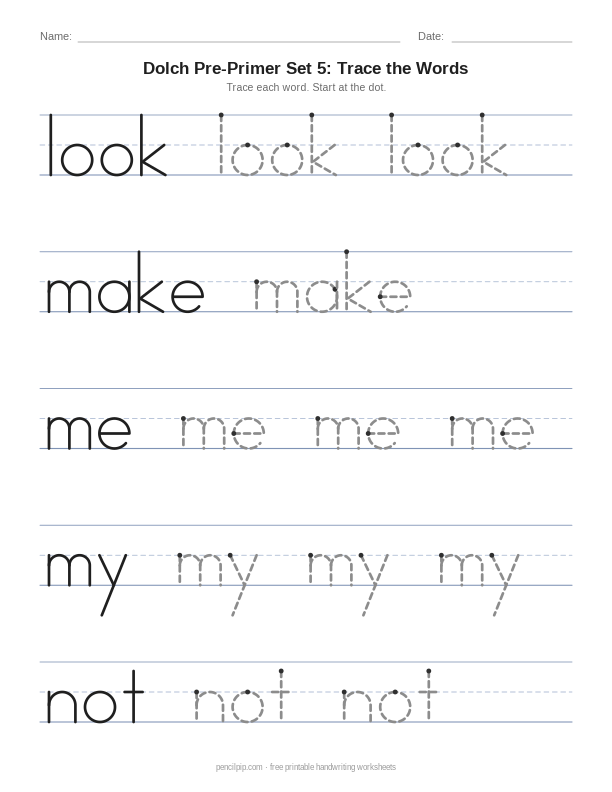 3 pagesDolch Pre-Primer Sight Words Set 5look, make, me, my, not
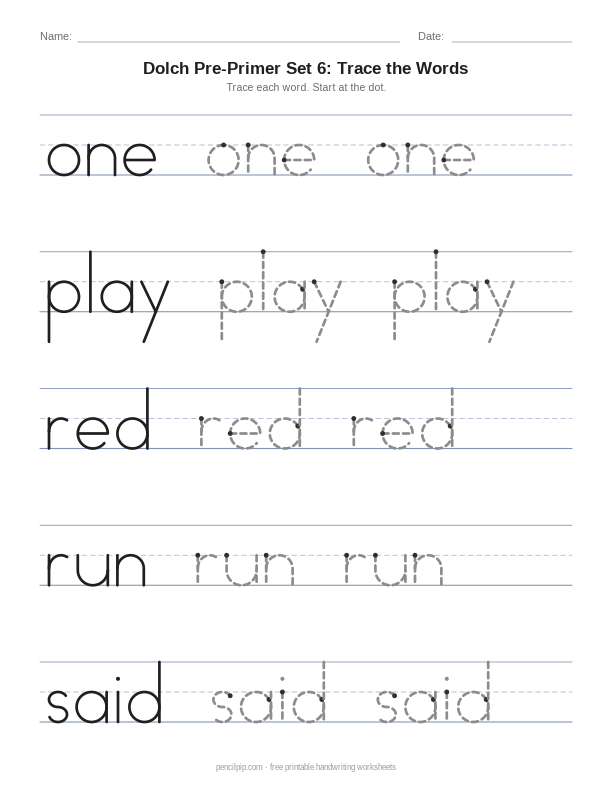 3 pagesDolch Pre-Primer Sight Words Set 6one, play, red, run, said
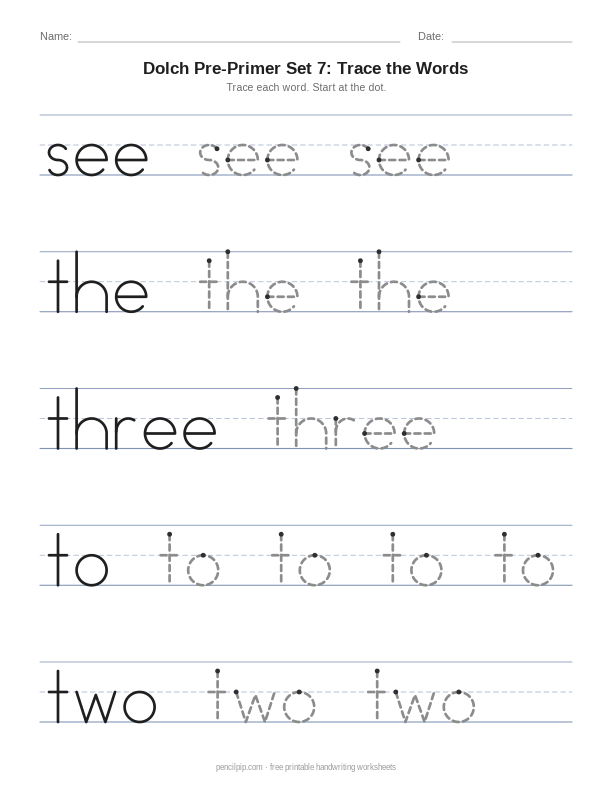 3 pagesDolch Pre-Primer Sight Words Set 7see, the, three, to, two
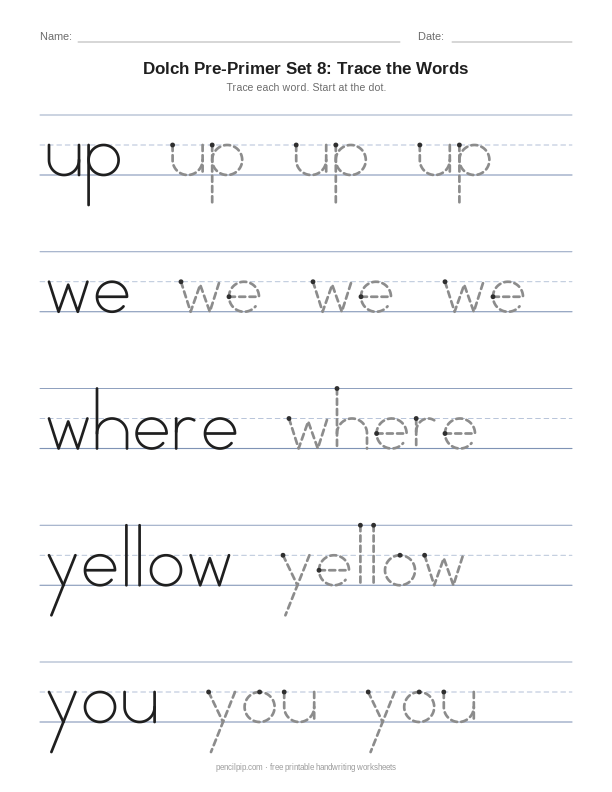 3 pagesDolch Pre-Primer Sight Words Set 8up, we, where, yellow, you
Dolch Primer Sight Words
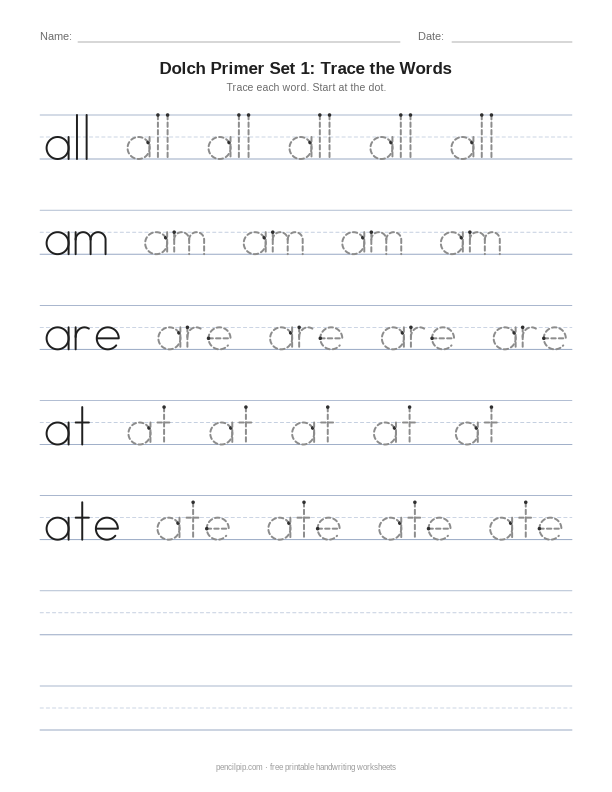 3 pagesDolch Primer Sight Words Set 1all, am, are, at, ate
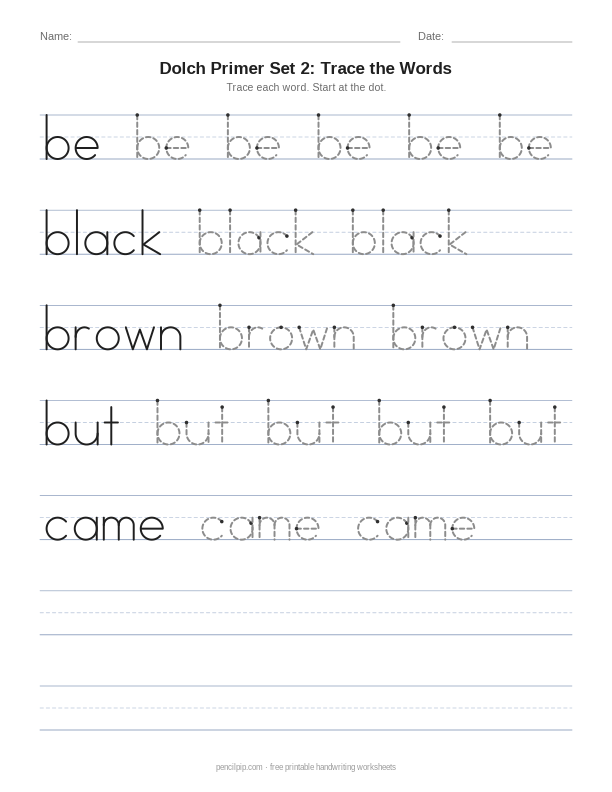 3 pagesDolch Primer Sight Words Set 2be, black, brown, but, came
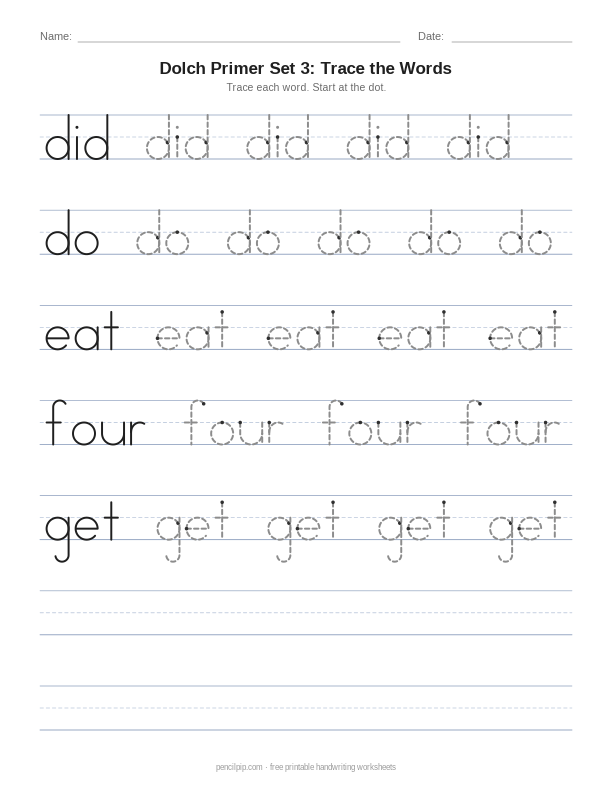 3 pagesDolch Primer Sight Words Set 3did, do, eat, four, get
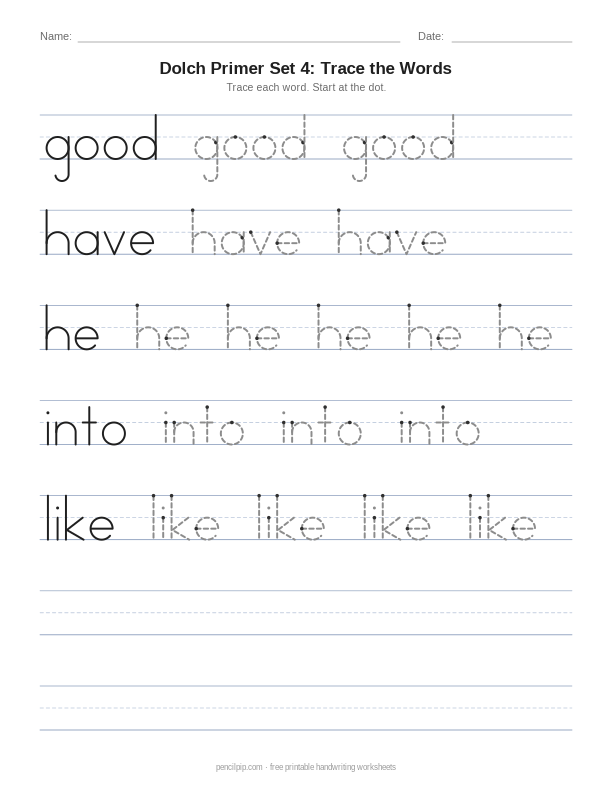 3 pagesDolch Primer Sight Words Set 4good, have, he, into, like
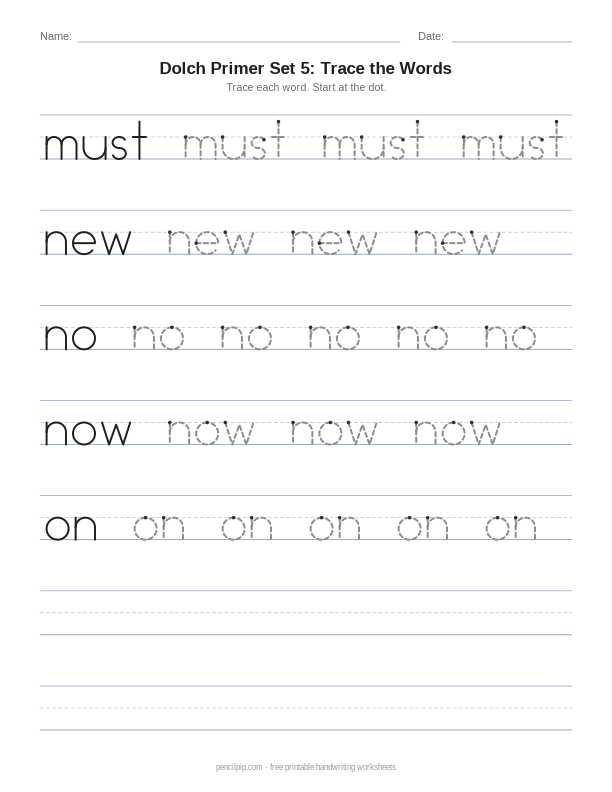 3 pagesDolch Primer Sight Words Set 5must, new, no, now, on
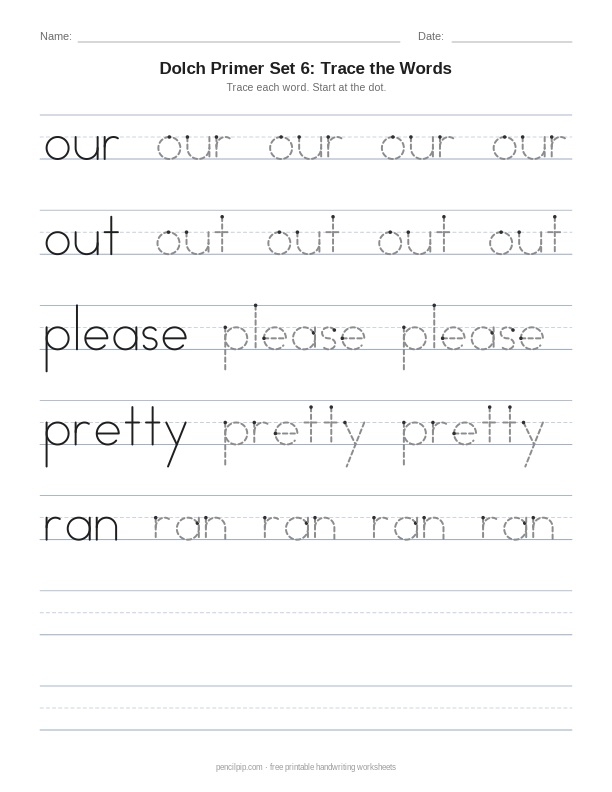 3 pagesDolch Primer Sight Words Set 6our, out, please, pretty, ran
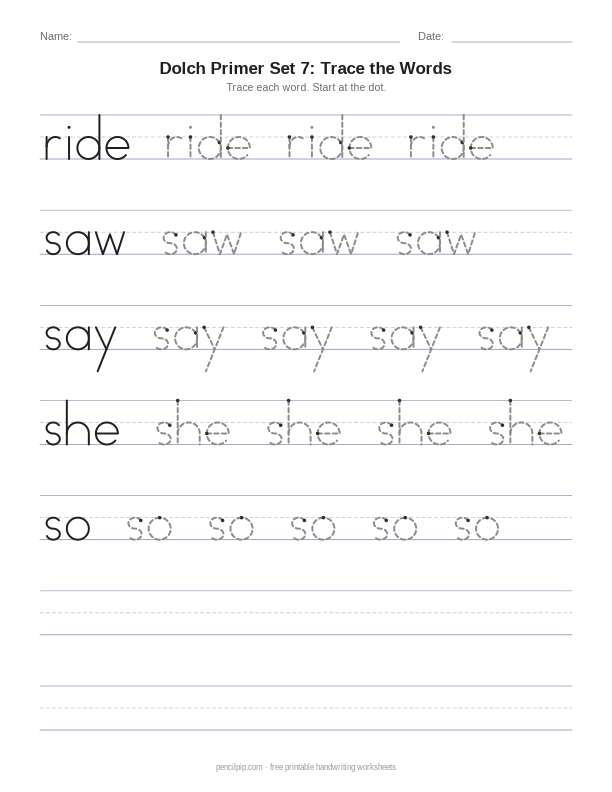 3 pagesDolch Primer Sight Words Set 7ride, saw, say, she, so
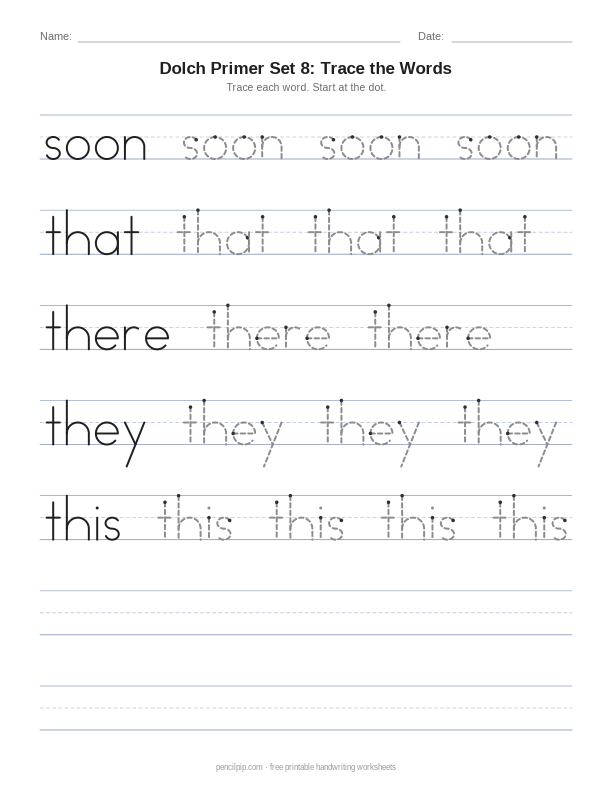 3 pagesDolch Primer Sight Words Set 8soon, that, there, they, this
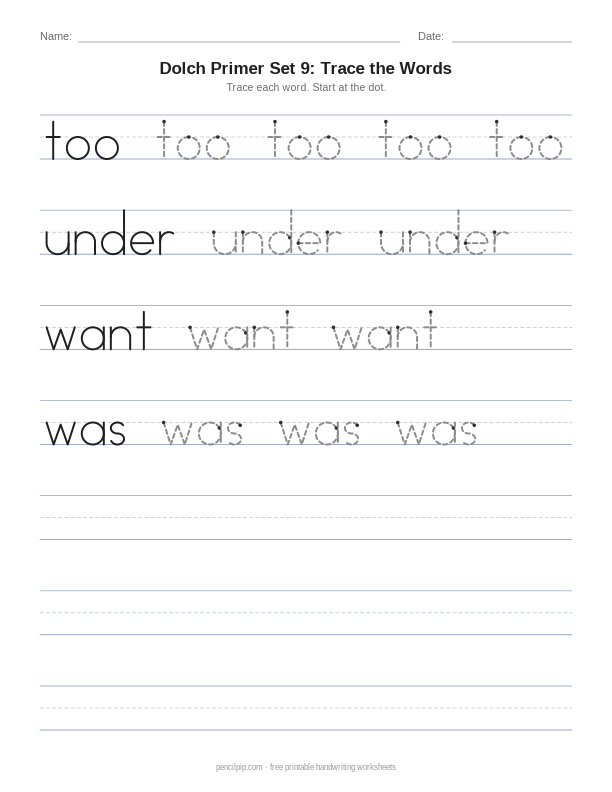 3 pagesDolch Primer Sight Words Set 9too, under, want, was
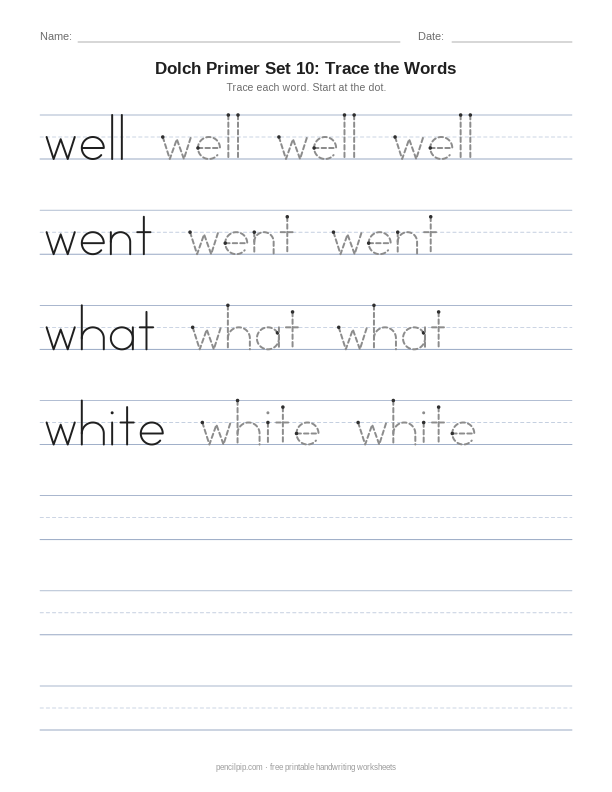 3 pagesDolch Primer Sight Words Set 10well, went, what, white
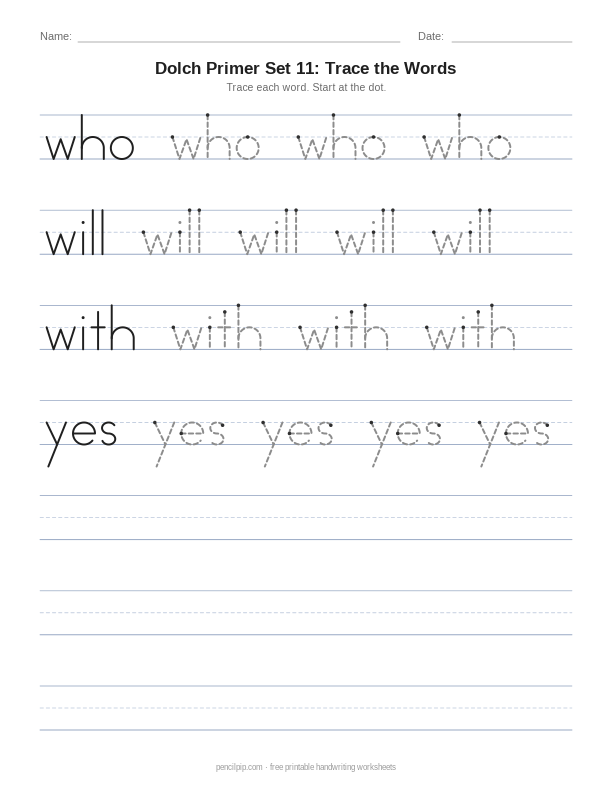 3 pagesDolch Primer Sight Words Set 11who, will, with, yes
Fry First 100 Sight Words
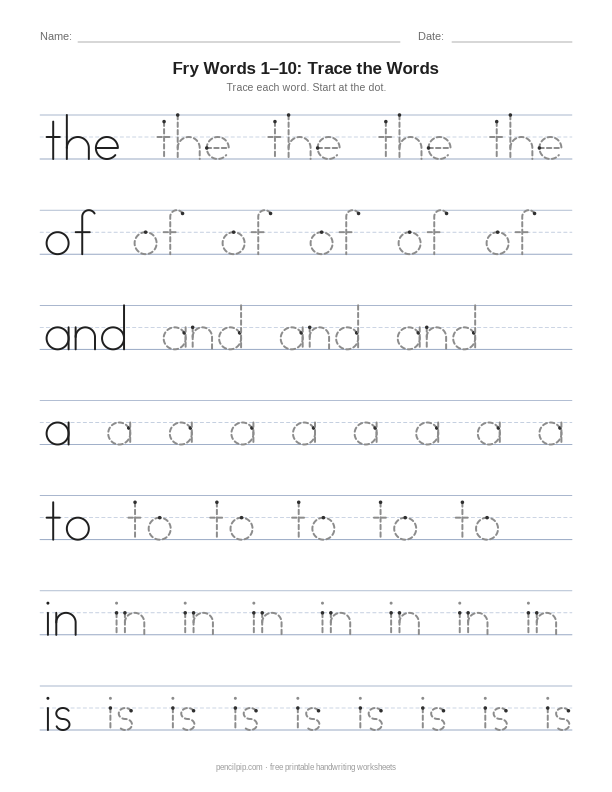 3 pagesFry Sight Words 1–10the, of, and, a, to, in, is, you, that, it
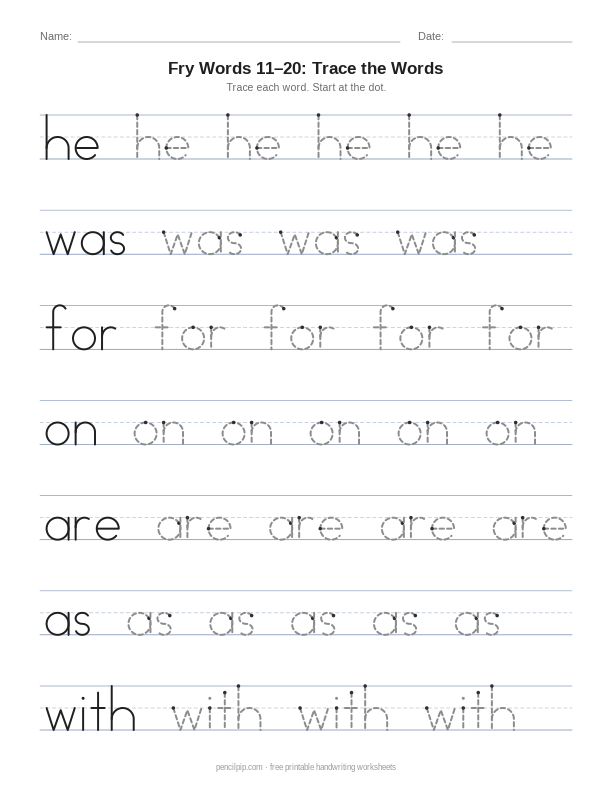 3 pagesFry Sight Words 11–20he, was, for, on, are, as, with, his, they, I
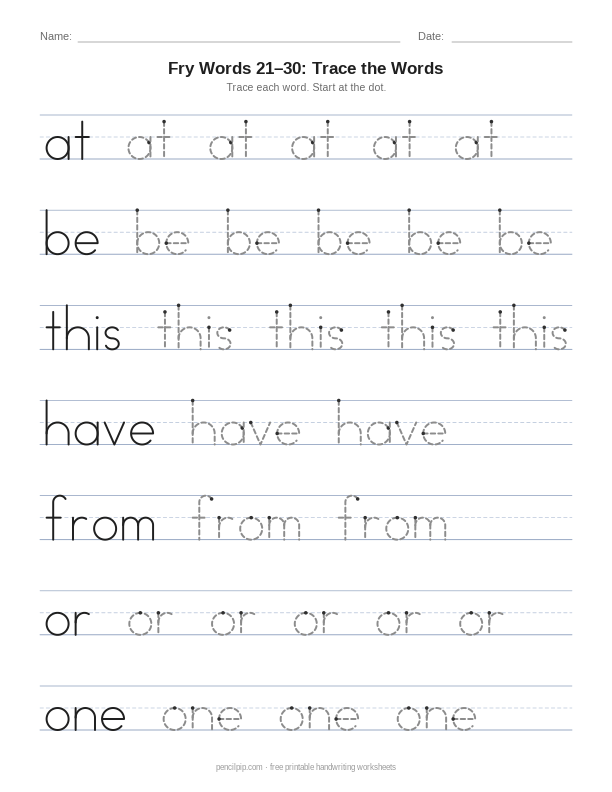 3 pagesFry Sight Words 21–30at, be, this, have, from, or, one, had, by, words
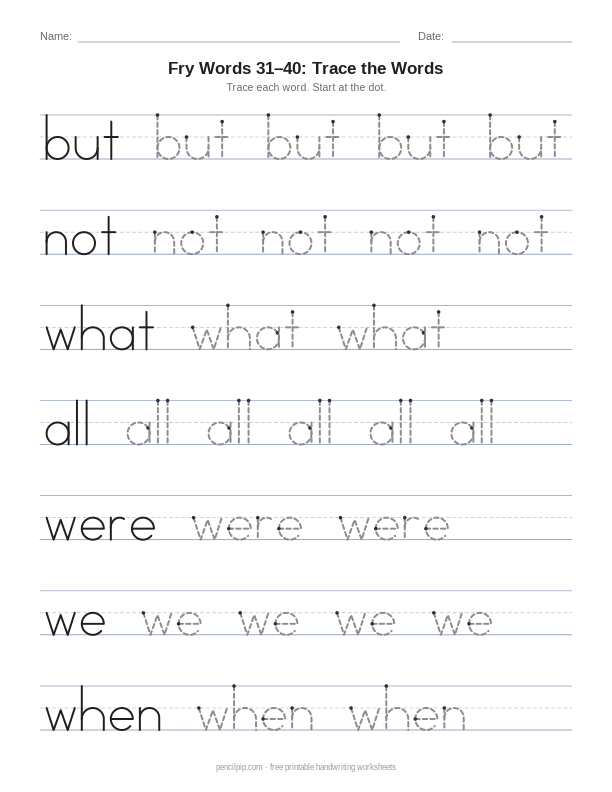 3 pagesFry Sight Words 31–40but, not, what, all, were, we, when, your, can, said
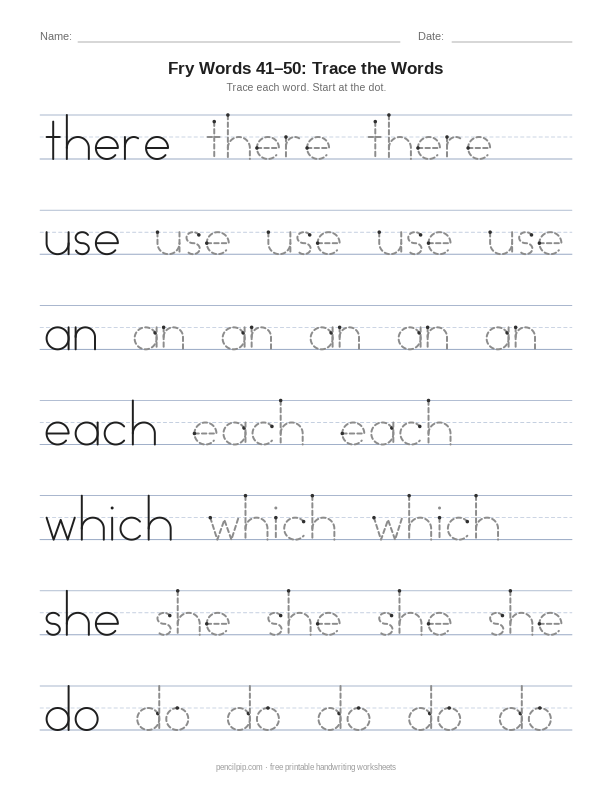 3 pagesFry Sight Words 41–50there, use, an, each, which, she, do, how, their, if
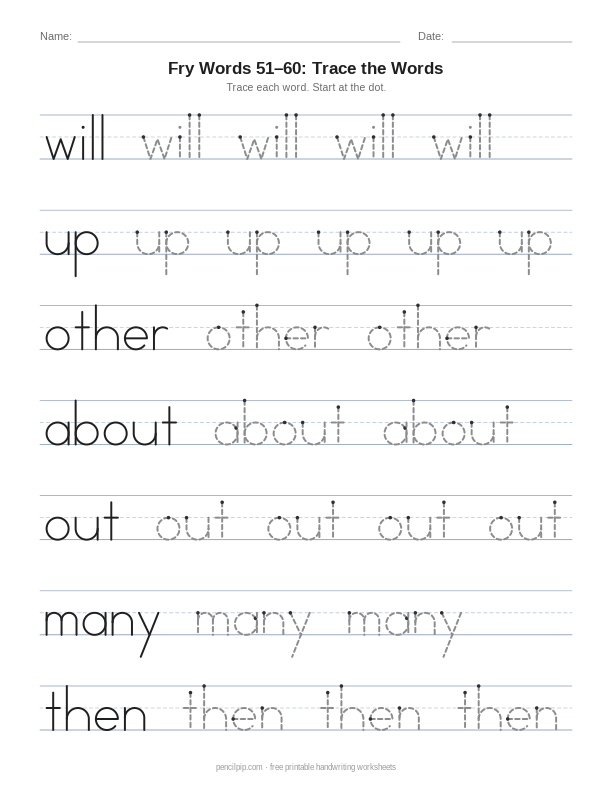 3 pagesFry Sight Words 51–60will, up, other, about, out, many, then, them, these, so
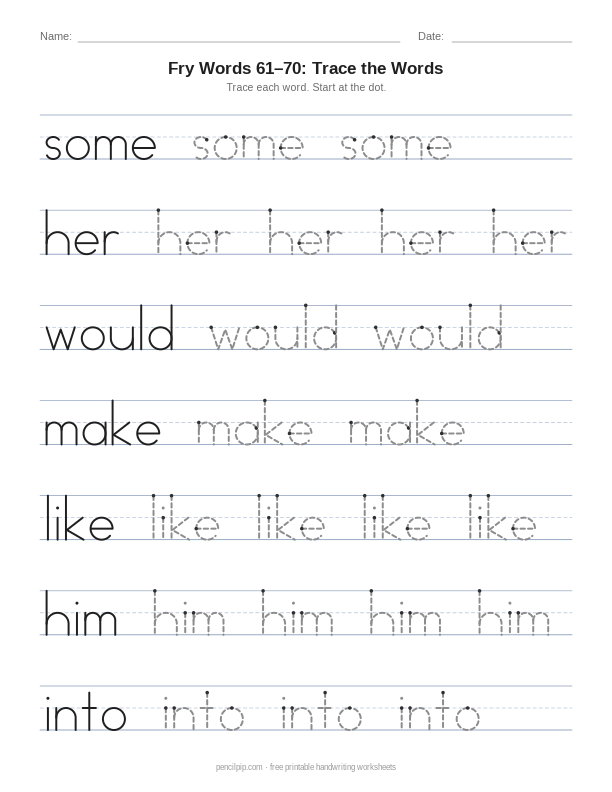 3 pagesFry Sight Words 61–70some, her, would, make, like, him, into, time, has, look
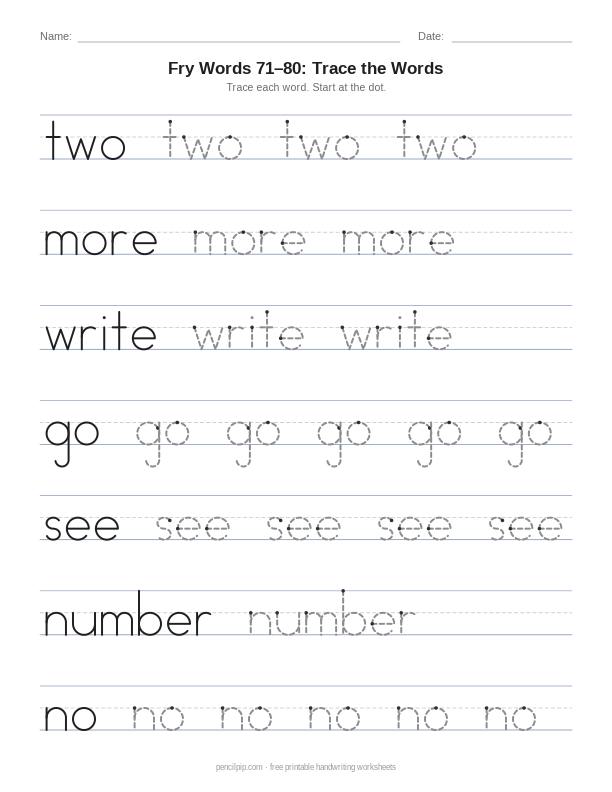 3 pagesFry Sight Words 71–80two, more, write, go, see, number, no, way, could, people
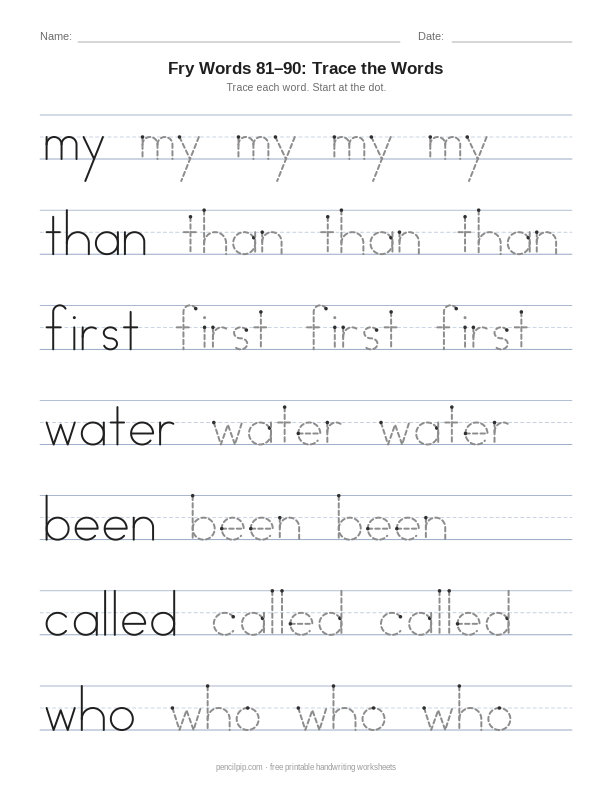 3 pagesFry Sight Words 81–90my, than, first, water, been, called, who, oil, sit, now
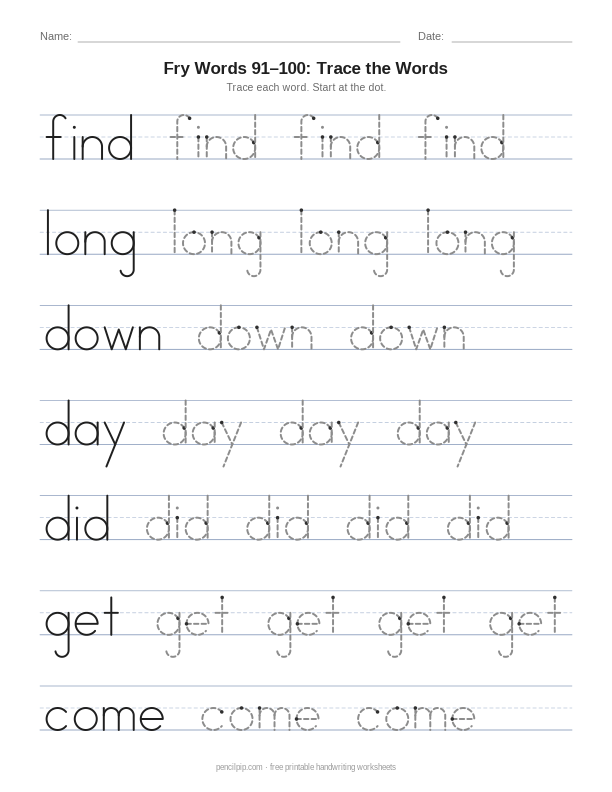 3 pagesFry Sight Words 91–100find, long, down, day, did, get, come, made, may, part
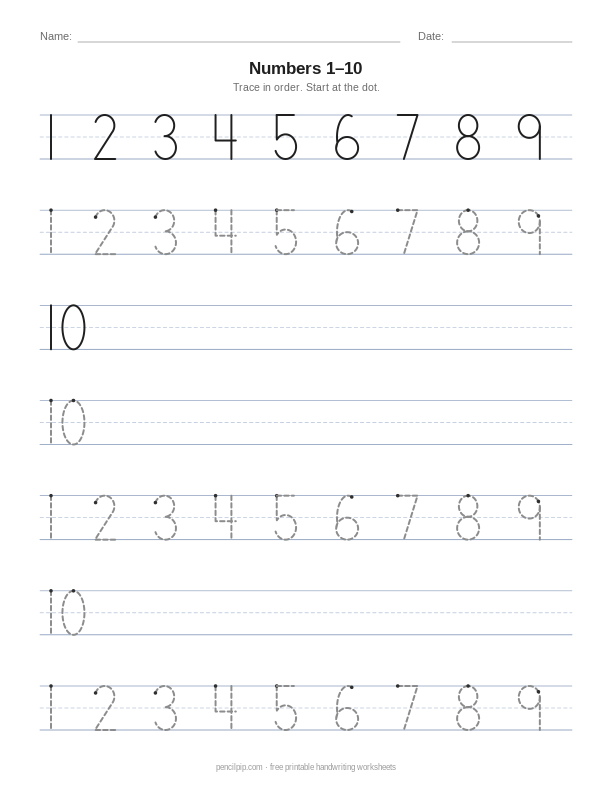
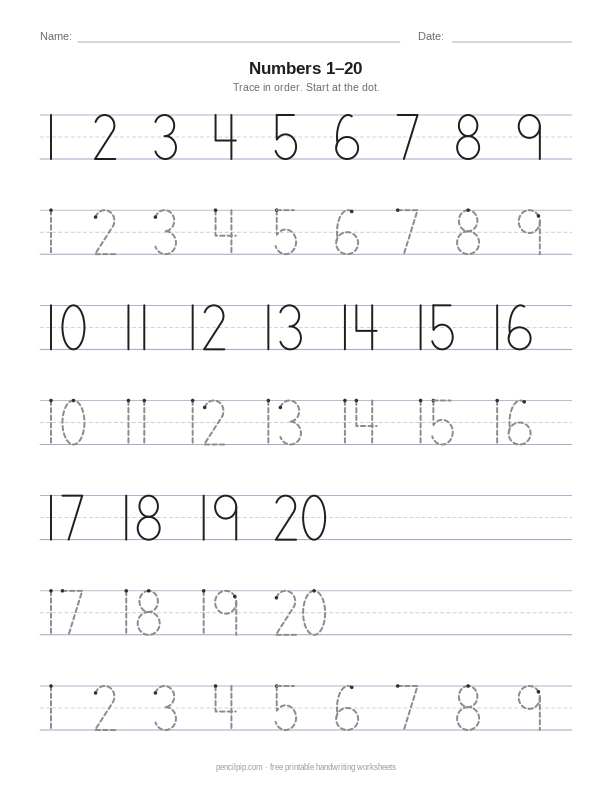
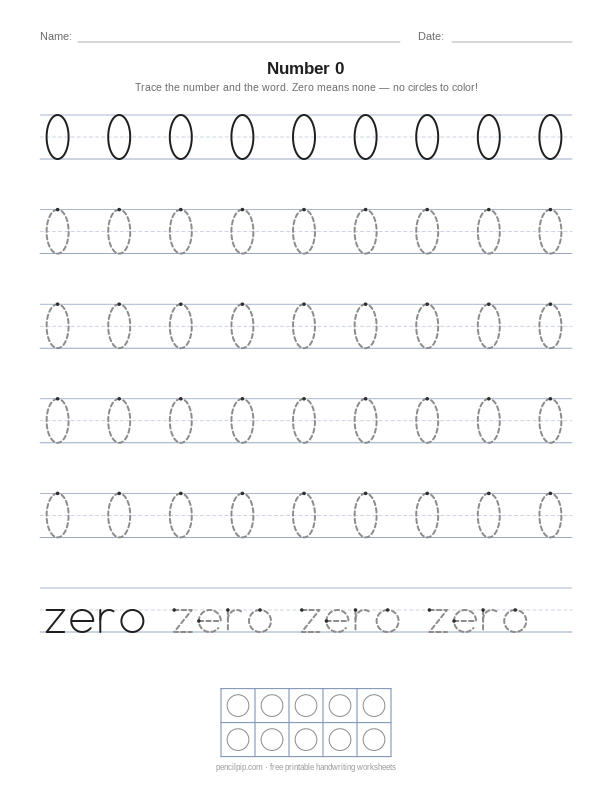
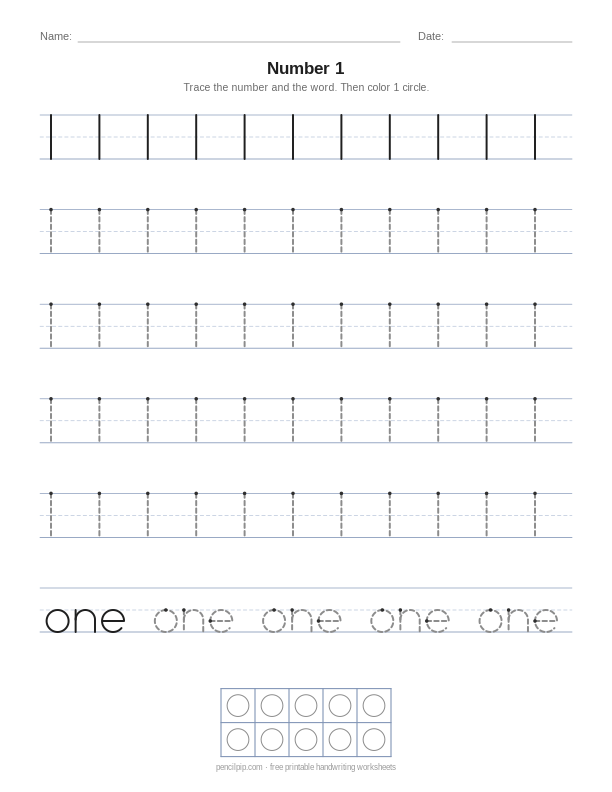
Number Tracing 0–20 Numbers
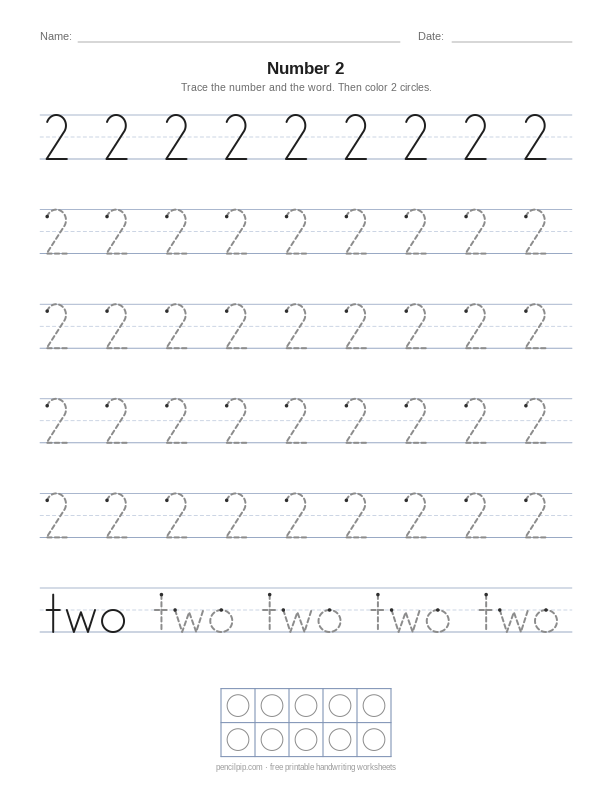
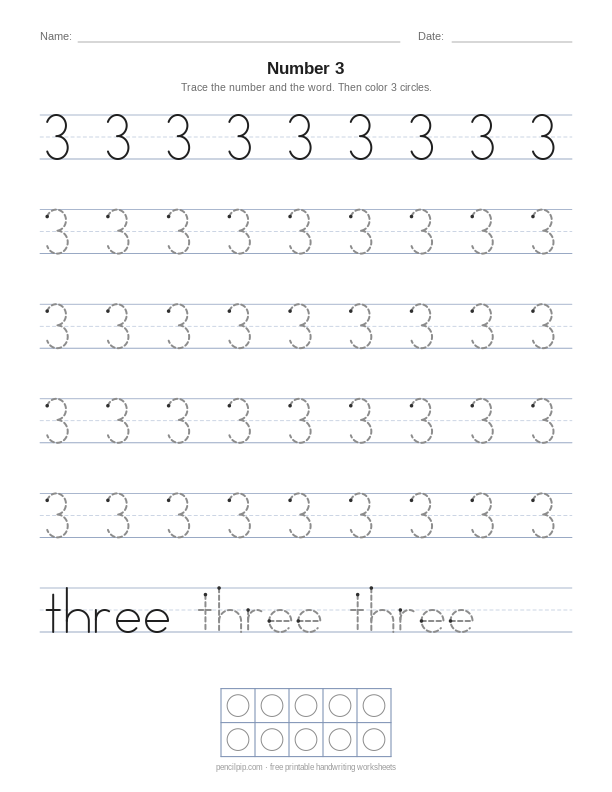
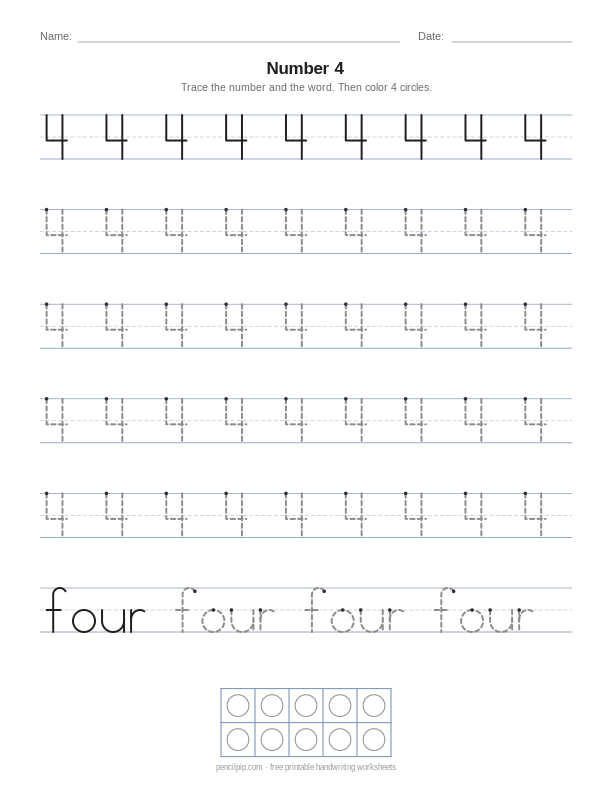
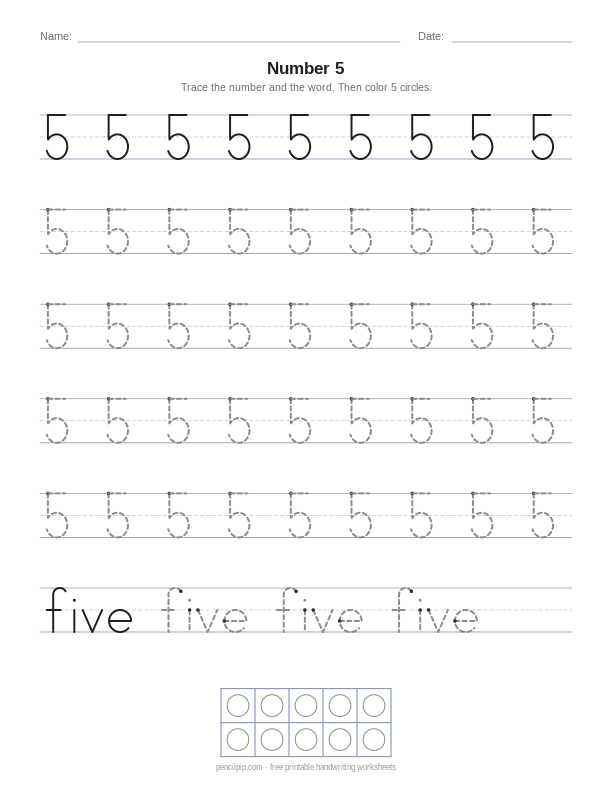
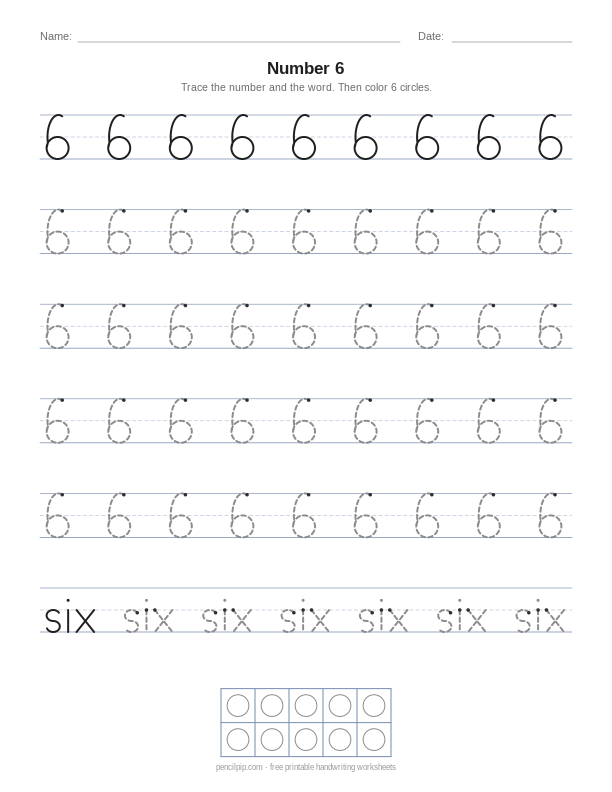
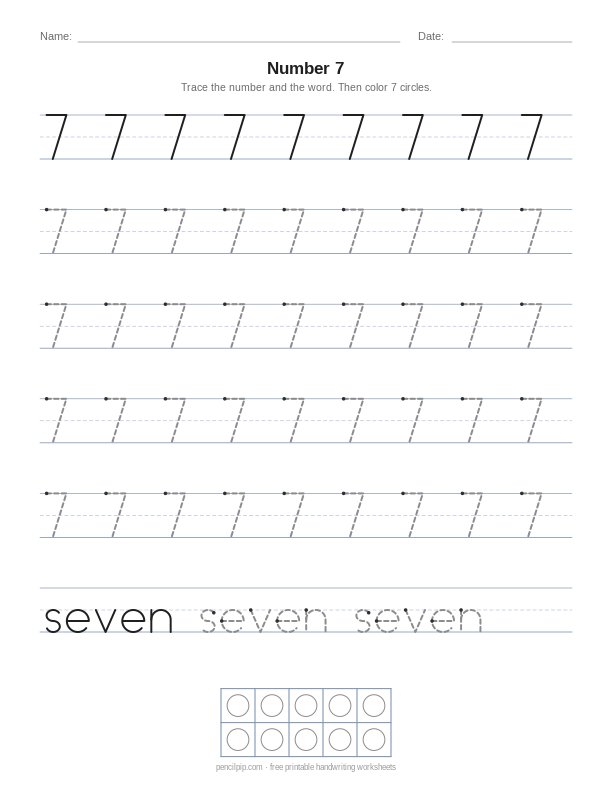
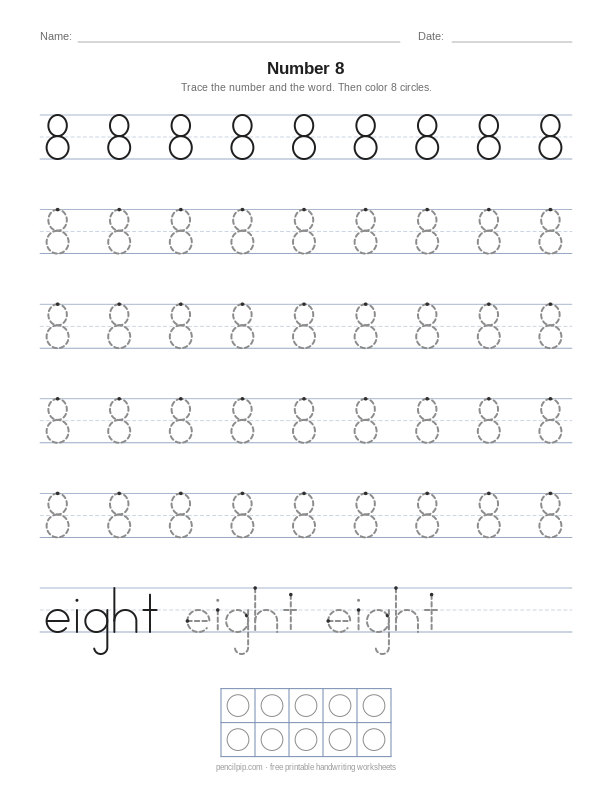
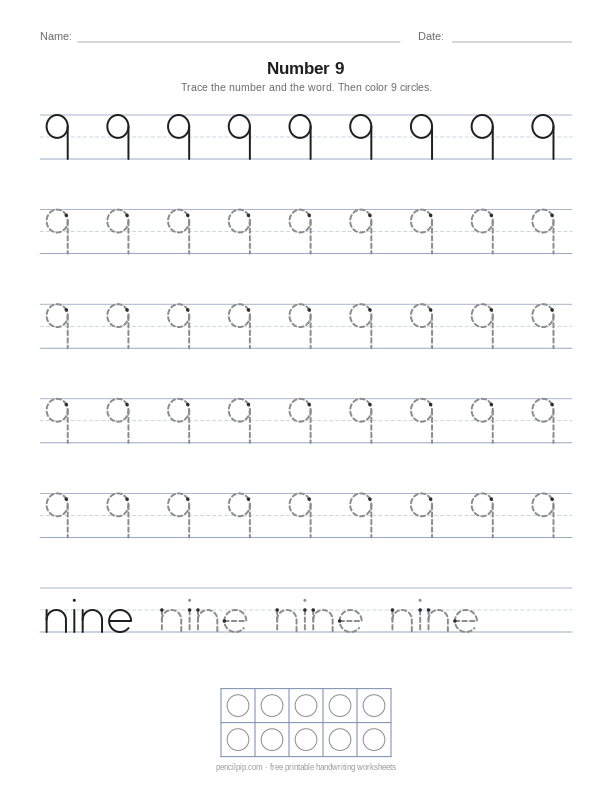
Number Words Numbers
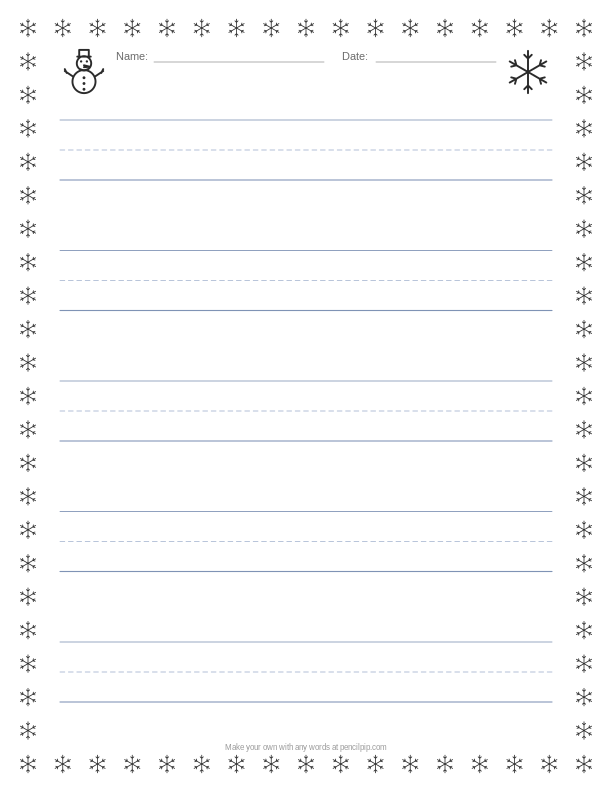
Primary Writing Paper Writing Paper
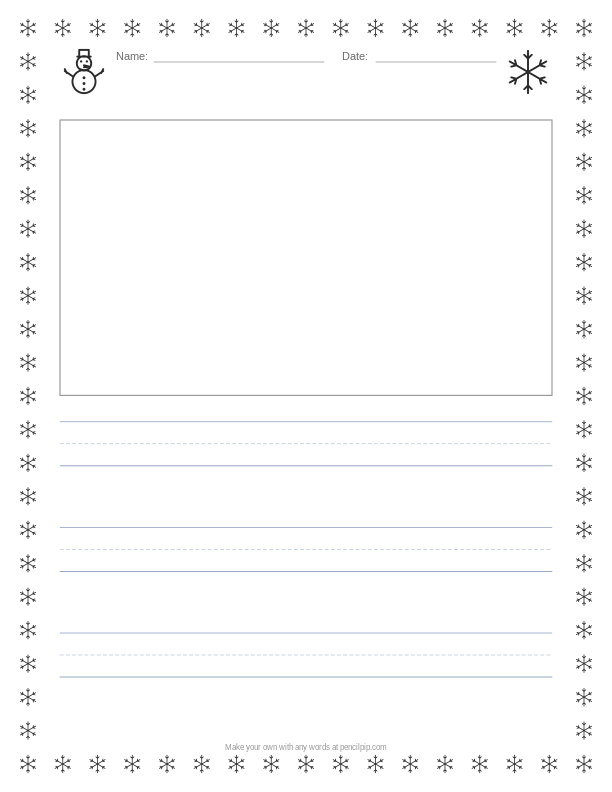
Story Paper Writing Paper
CVC Words Phonics
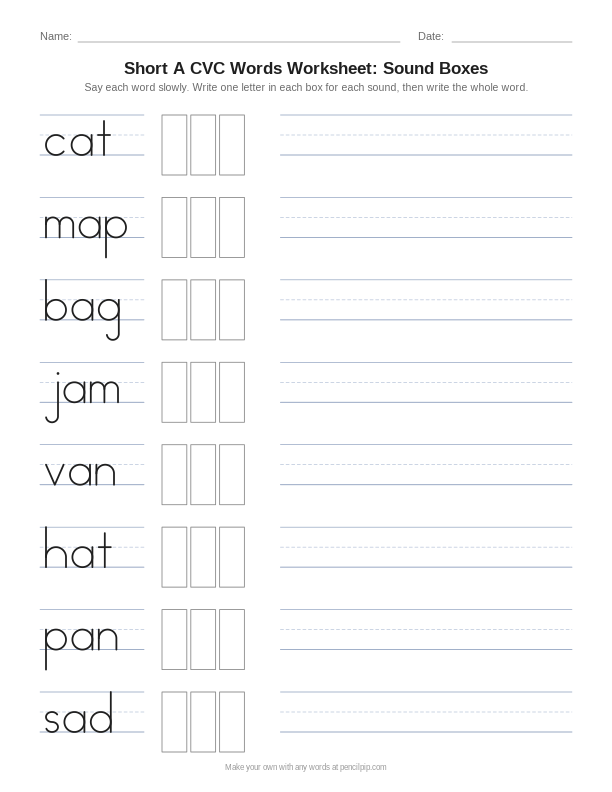 3 pagesShort A CVC Wordscat, map, bag, jam, van, hat, pan, sad
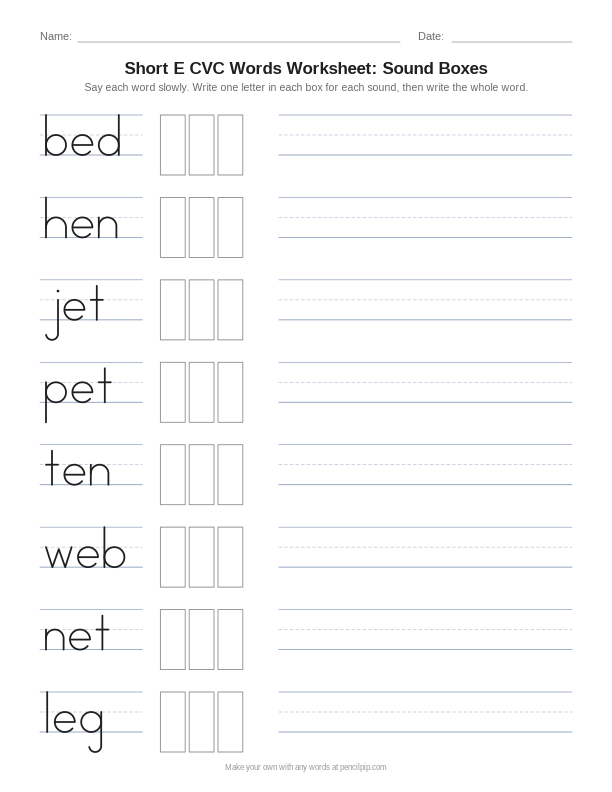 3 pagesShort E CVC Wordsbed, hen, jet, pet, ten, web, net, leg
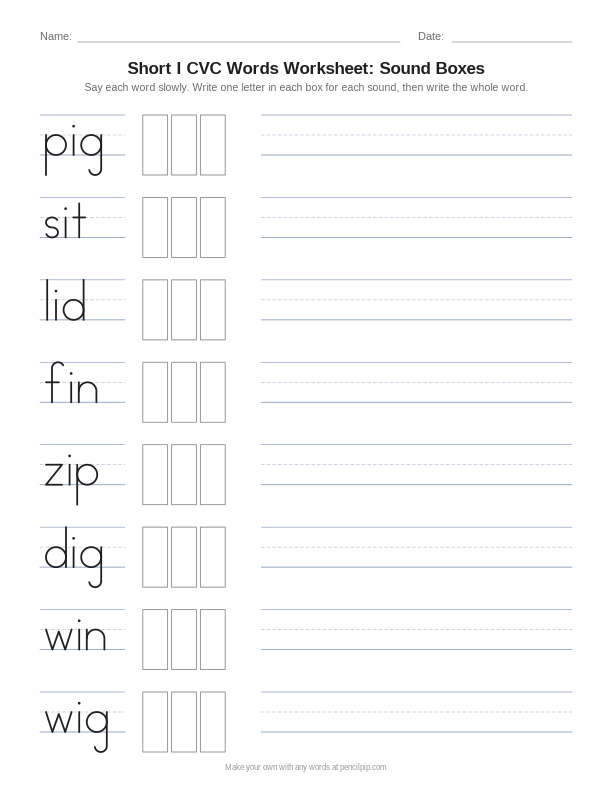 3 pagesShort I CVC Wordspig, sit, lid, fin, zip, dig, win, wig
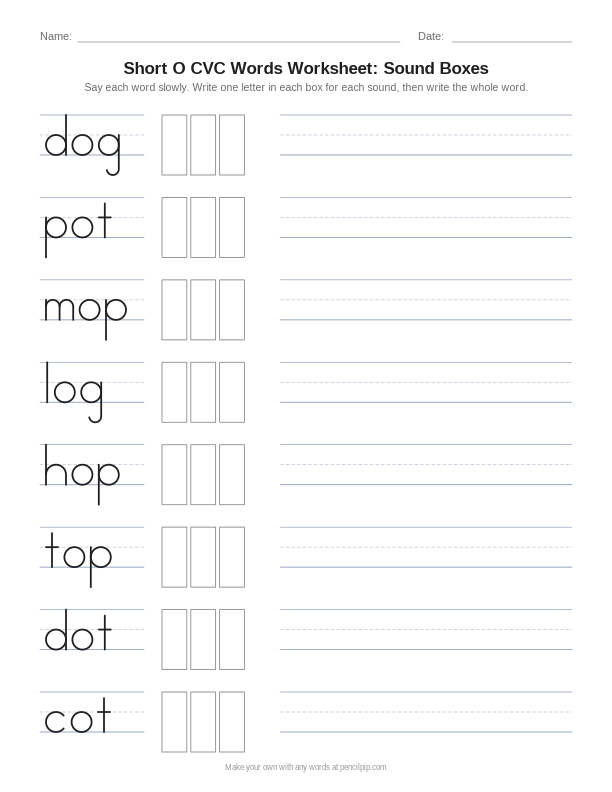 3 pagesShort O CVC Wordsdog, pot, mop, log, hop, top, dot, cot
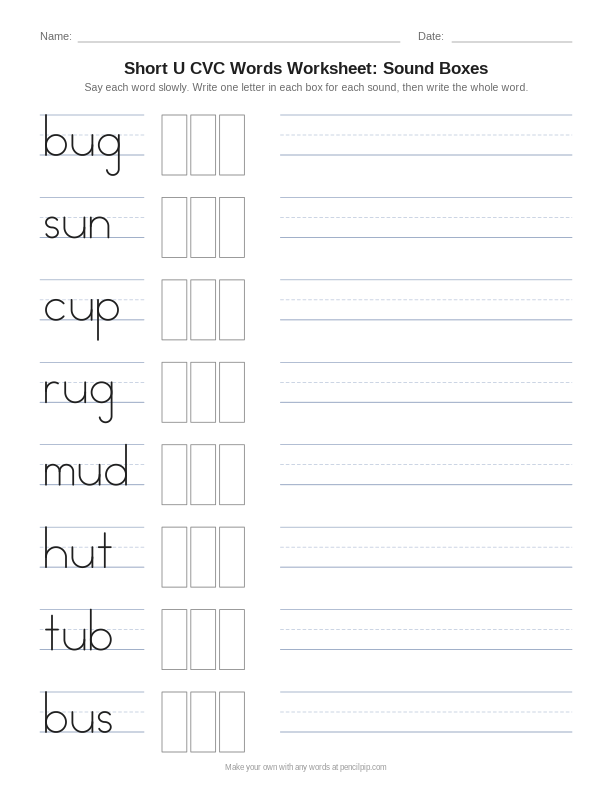 3 pagesShort U CVC Wordsbug, sun, cup, rug, mud, hut, tub, bus
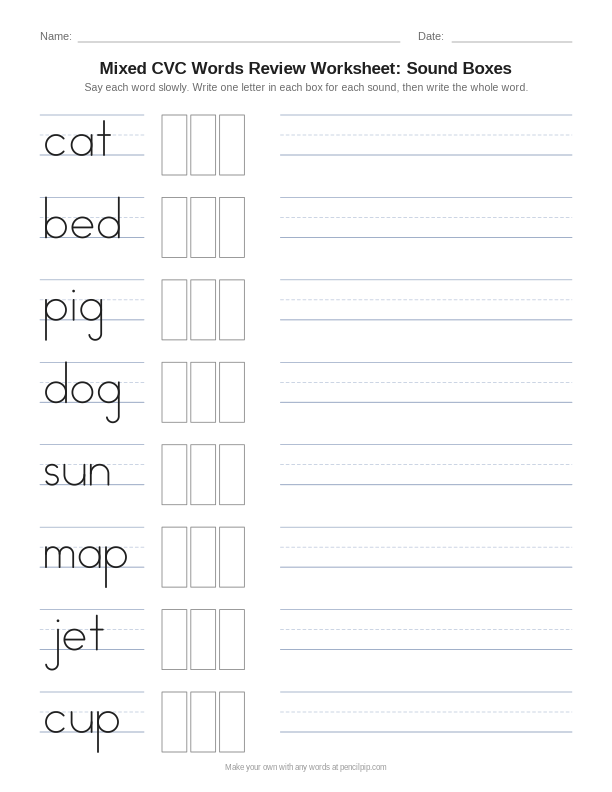 3 pagesMixed CVC Words Reviewcat, bed, pig, dog, sun, map, jet, cup
Word Families Phonics
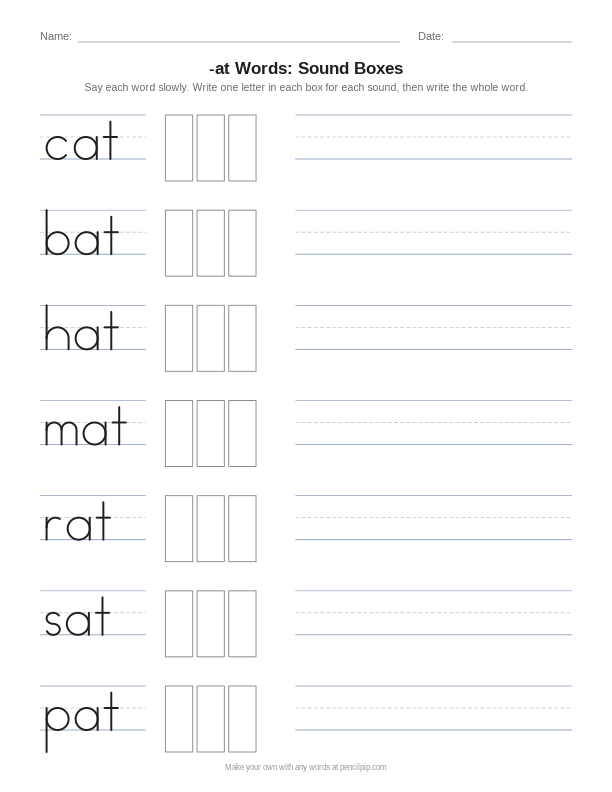 3 pages-at Word Familycat, bat, hat, mat, rat, sat, pat
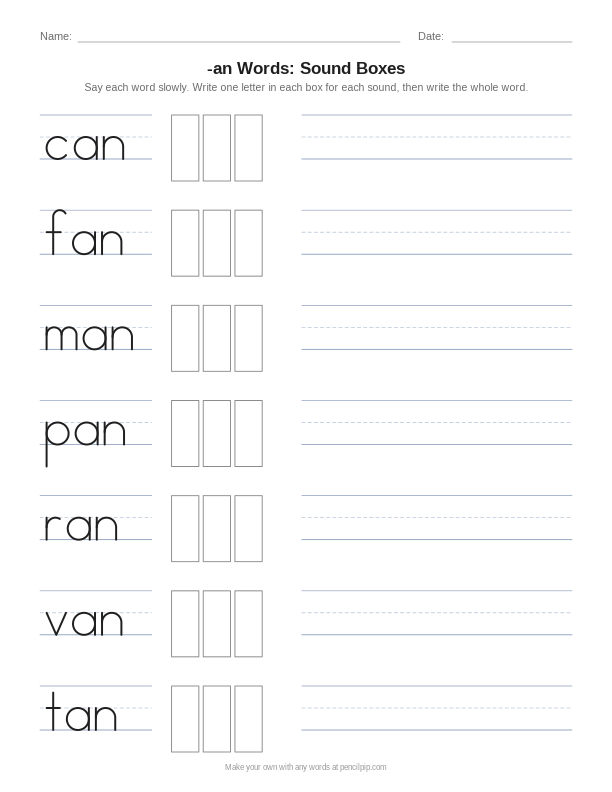 3 pages-an Word Familycan, fan, man, pan, ran, van, tan
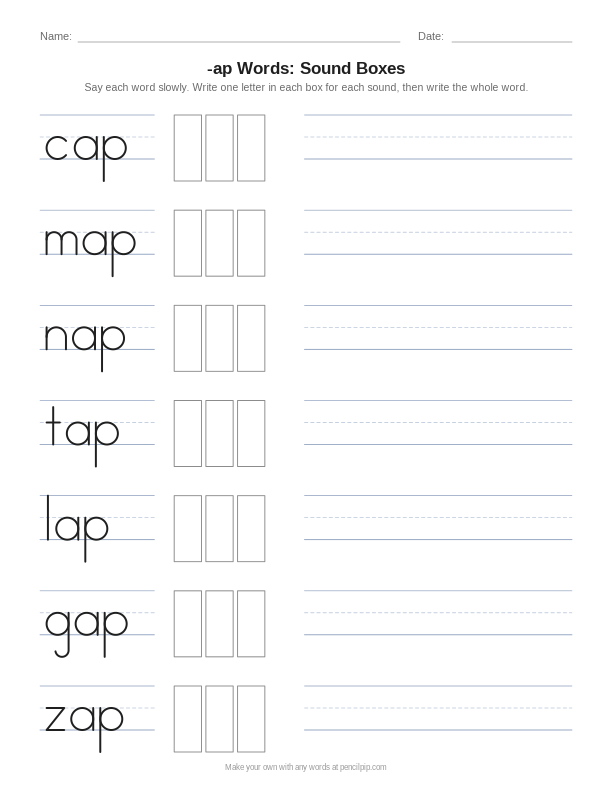 3 pages-ap Word Familycap, map, nap, tap, lap, gap, zap
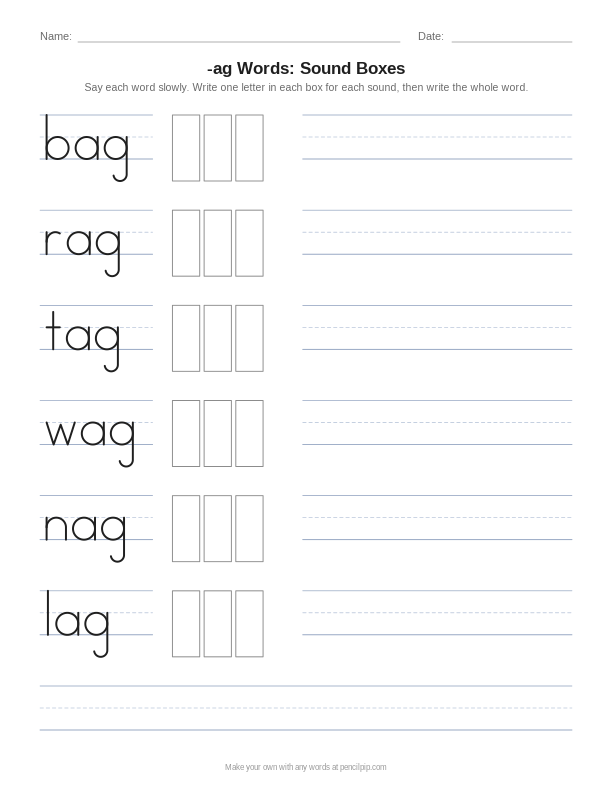 3 pages-ag Word Familybag, rag, tag, wag, nag, lag
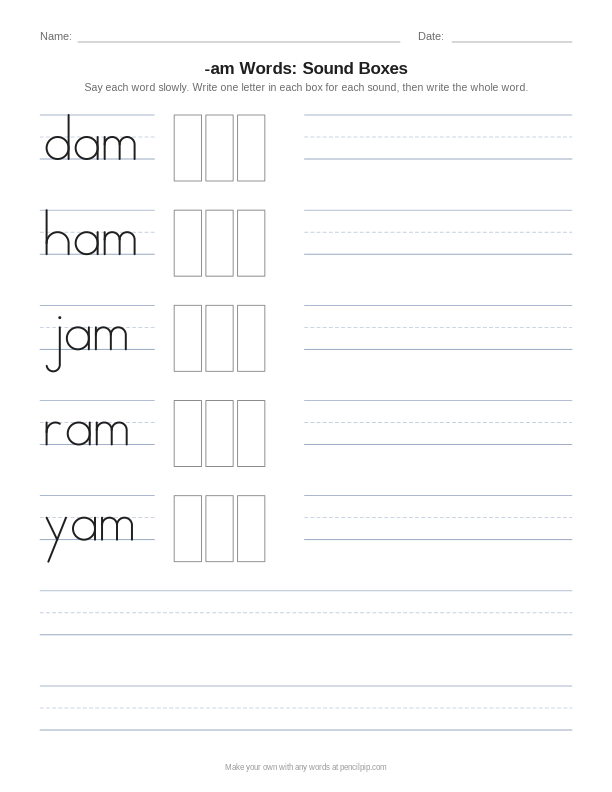 3 pages-am Word Familydam, ham, jam, ram, yam
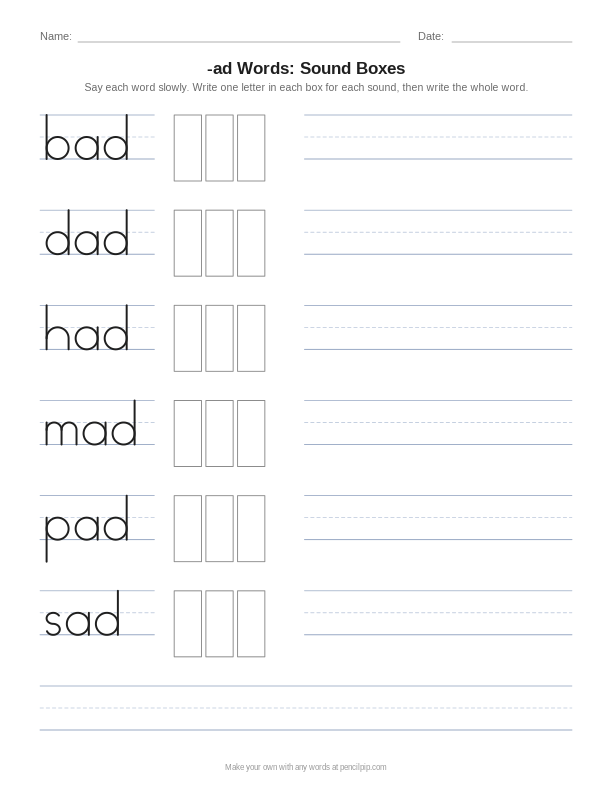 3 pages-ad Word Familybad, dad, had, mad, pad, sad
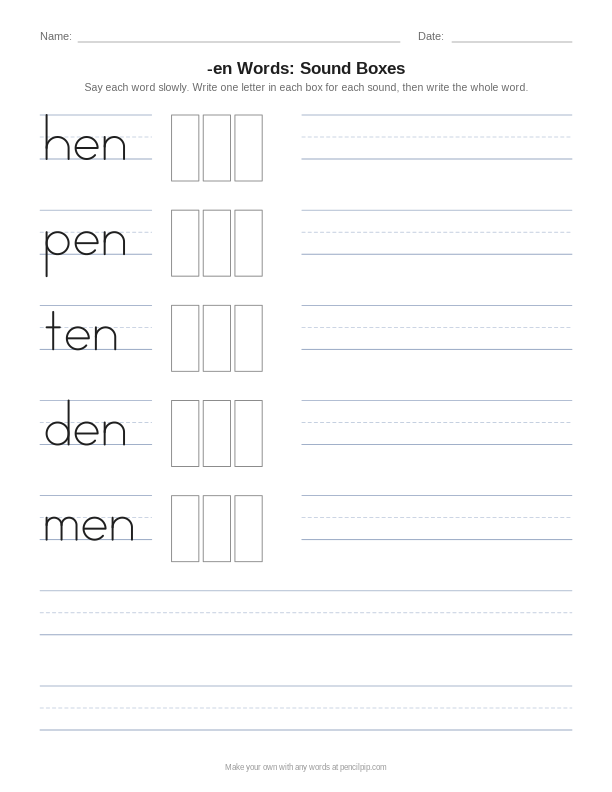 3 pages-en Word Familyhen, pen, ten, den, men
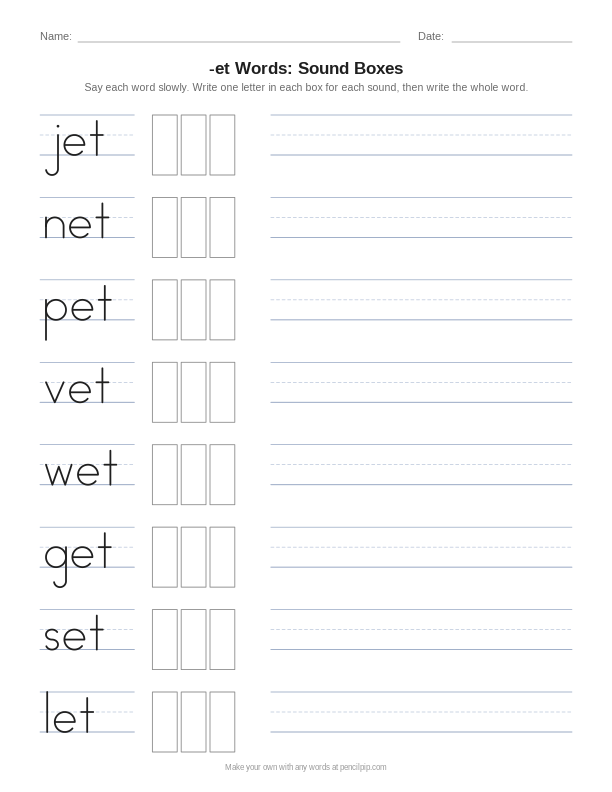 3 pages-et Word Familyjet, net, pet, vet, wet, get, set, let
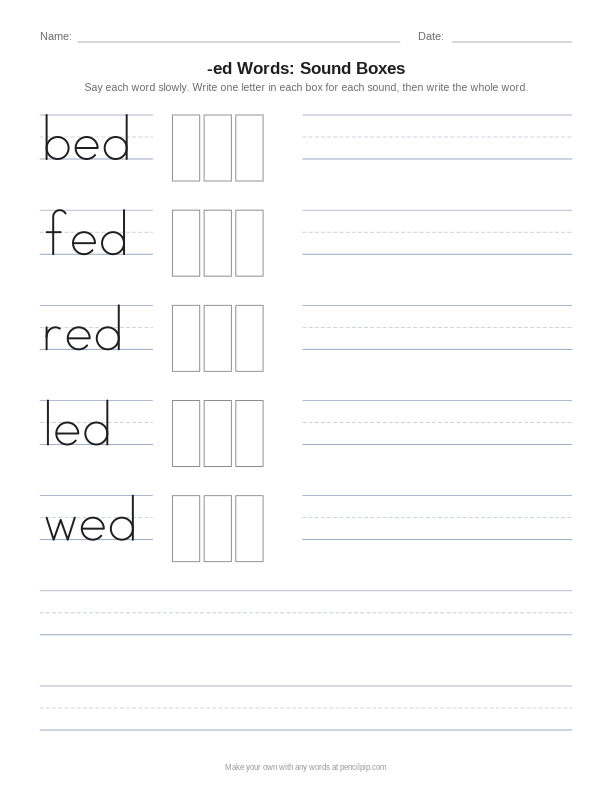 3 pages-ed Word Familybed, fed, red, led, wed
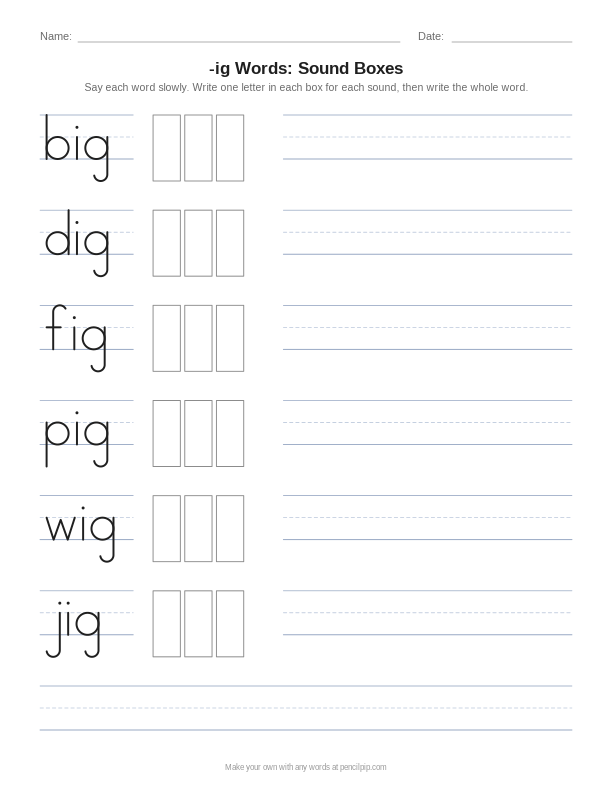 3 pages-ig Word Familybig, dig, fig, pig, wig, jig
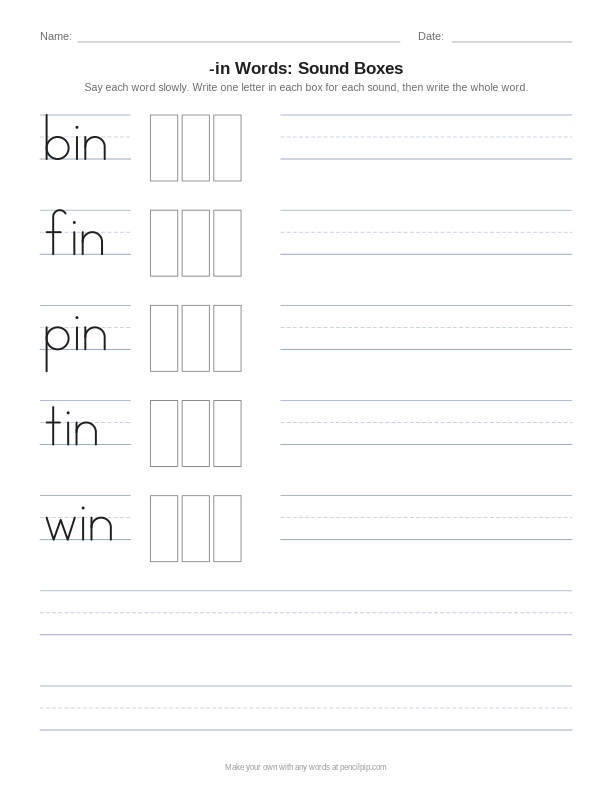 3 pages-in Word Familybin, fin, pin, tin, win
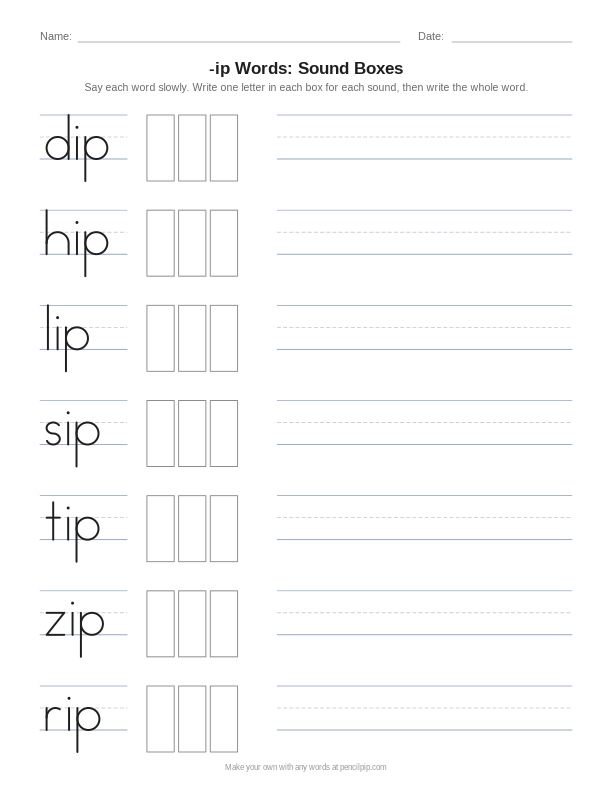 3 pages-ip Word Familydip, hip, lip, sip, tip, zip, rip
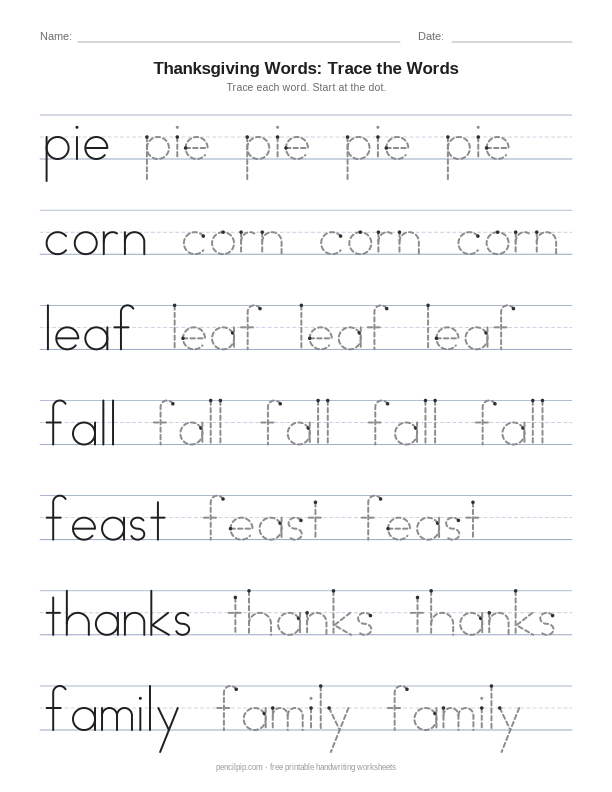
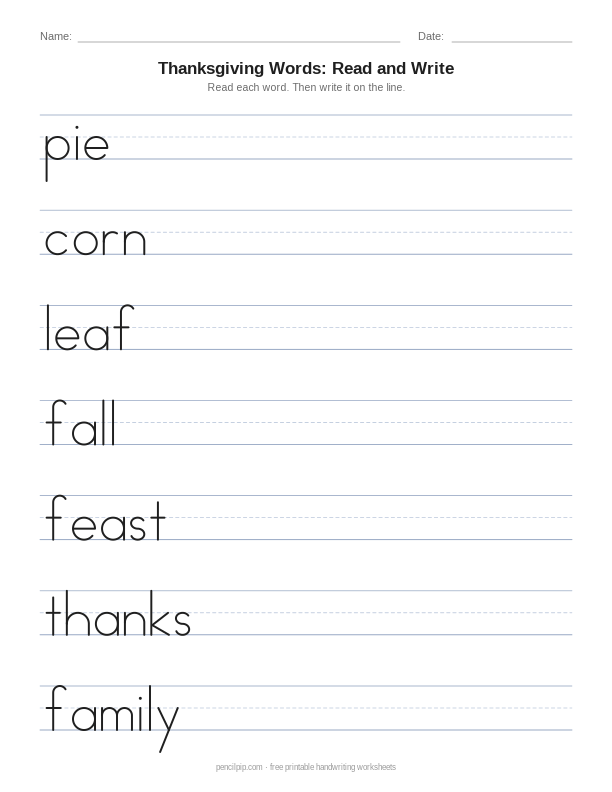
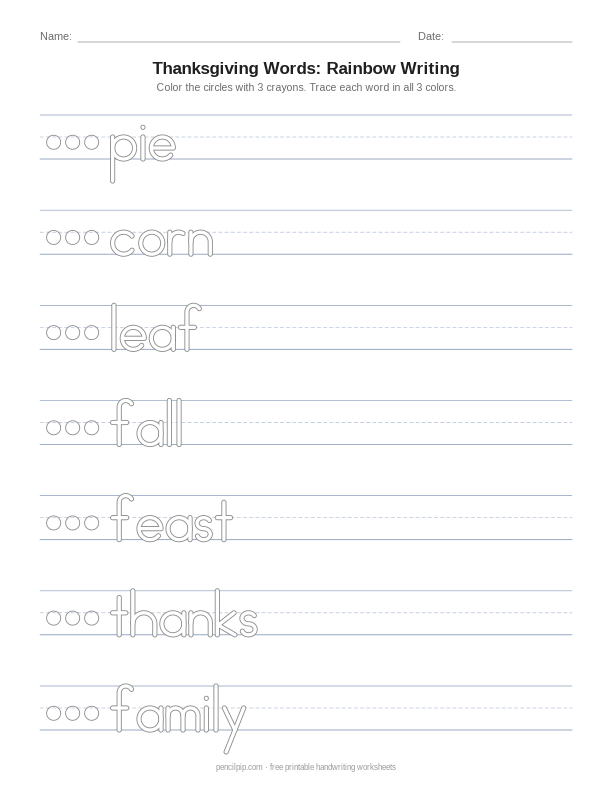
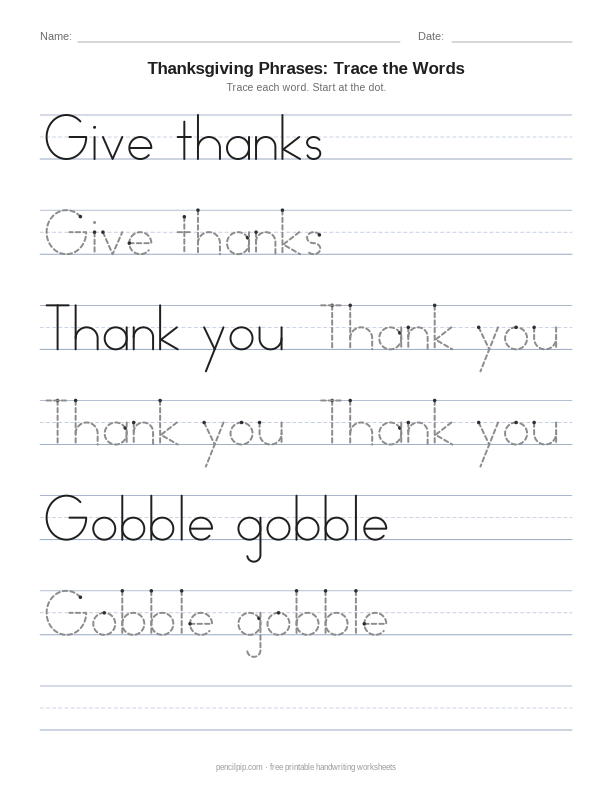
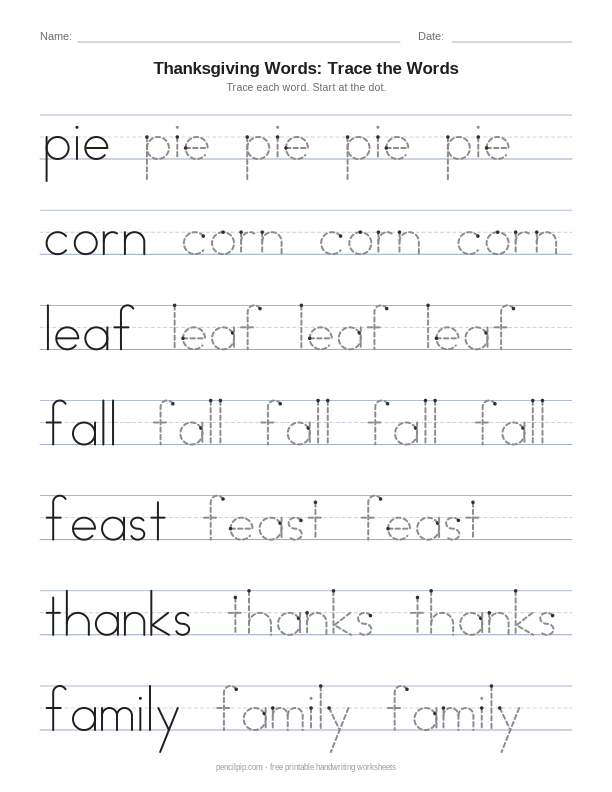
Thanksgiving Holidays
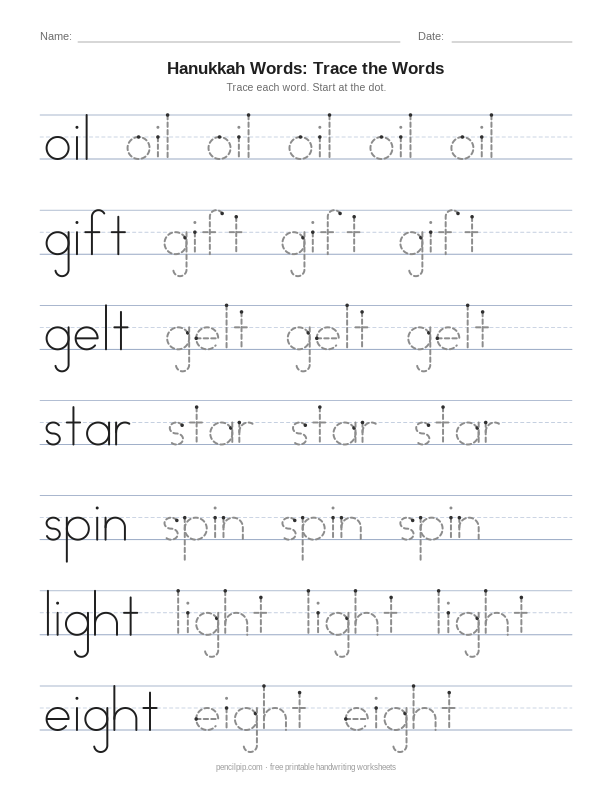
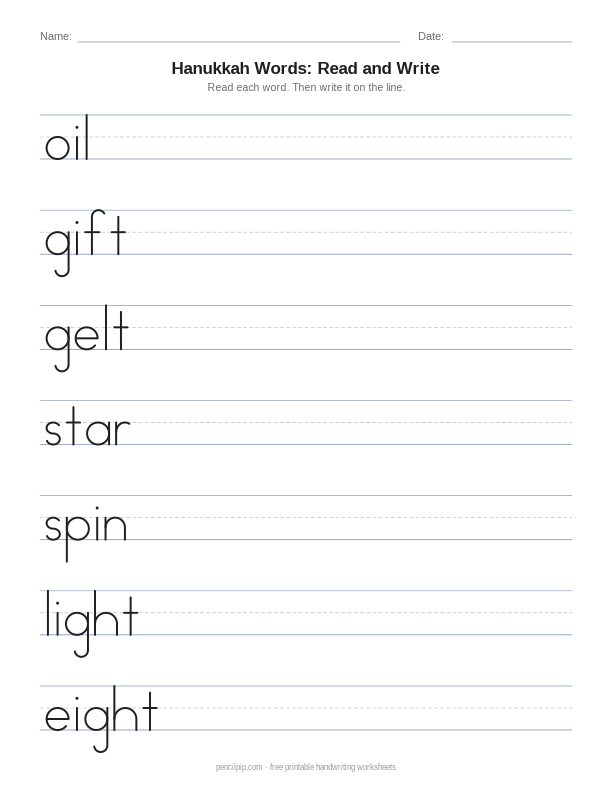
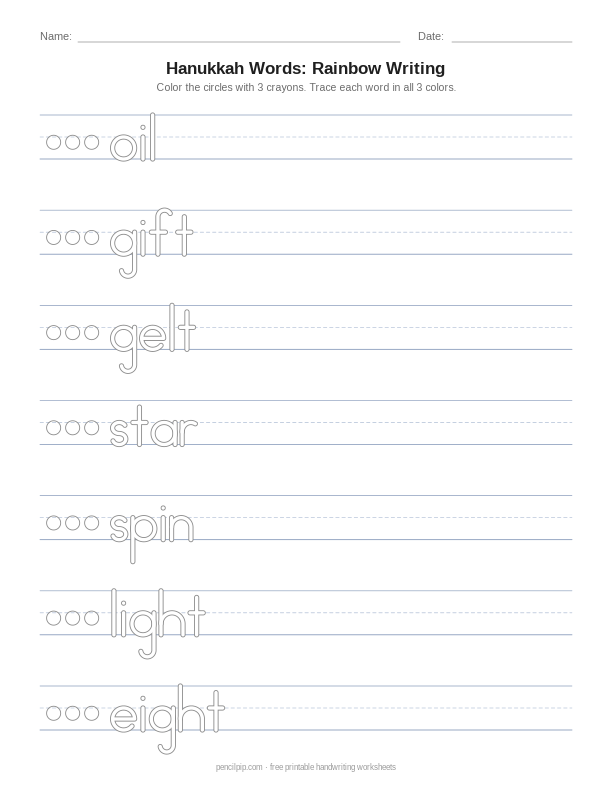
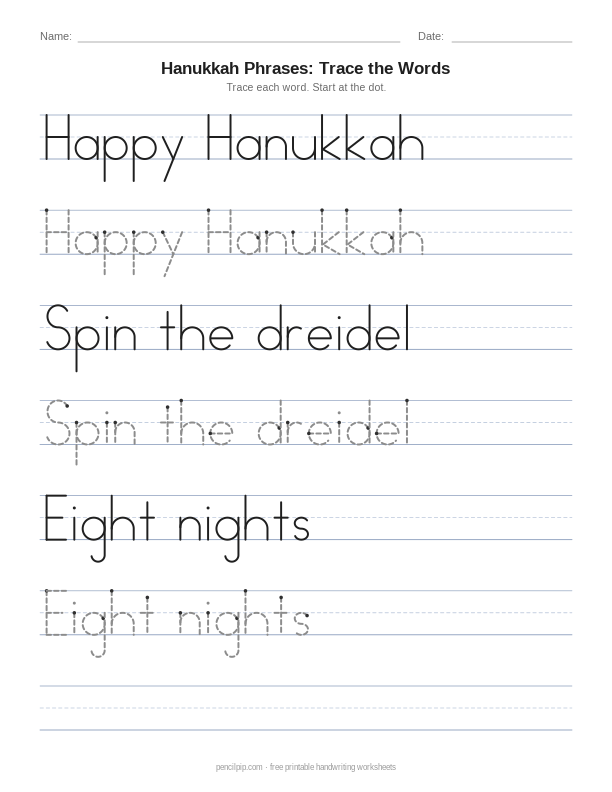
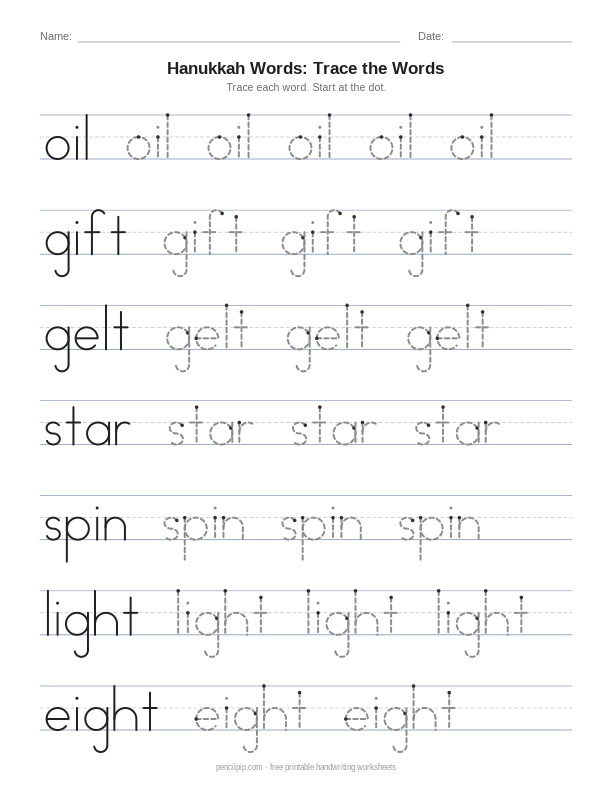
Hanukkah Holidays
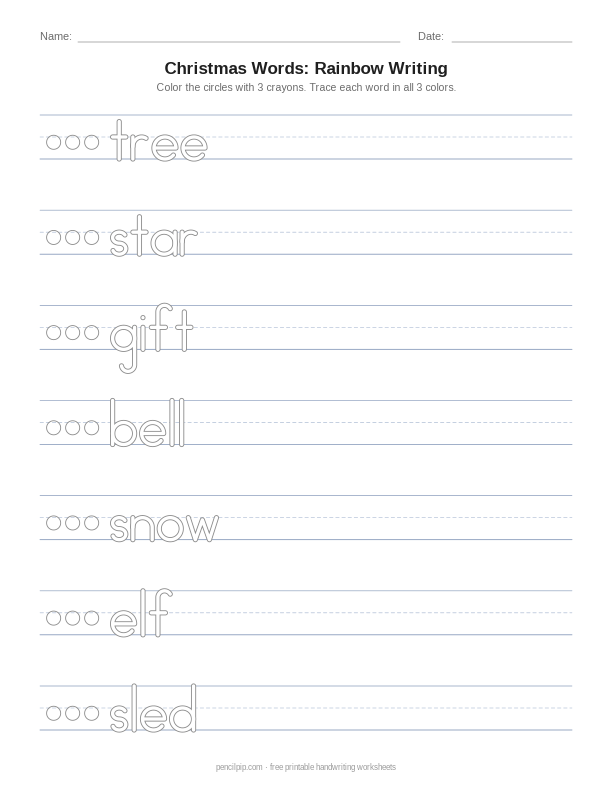
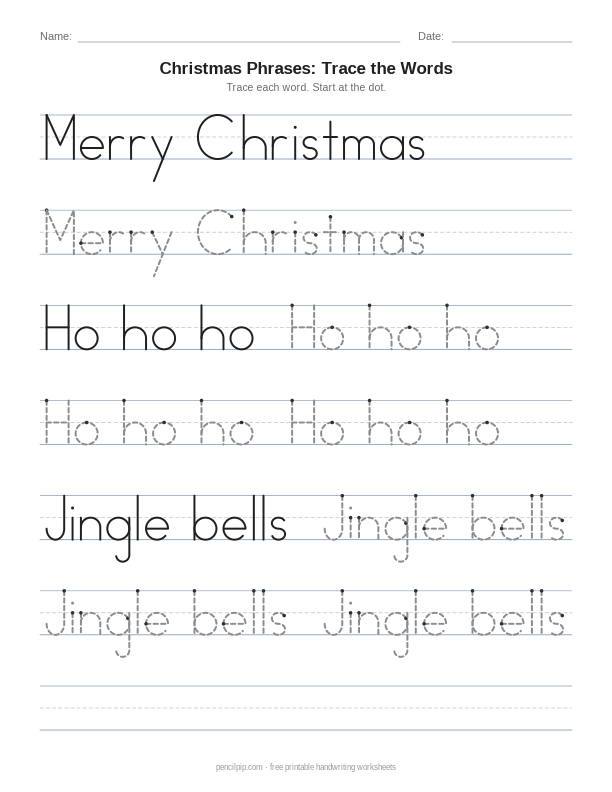
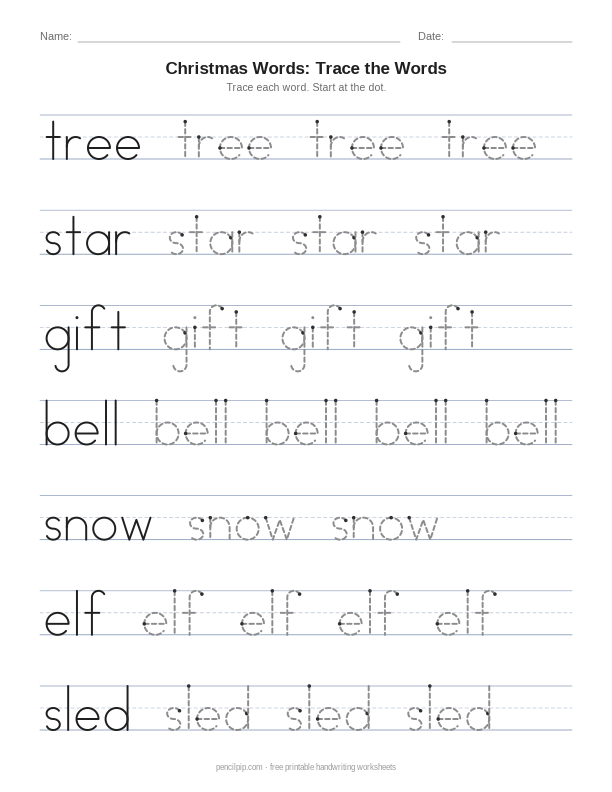
Christmas Holidays
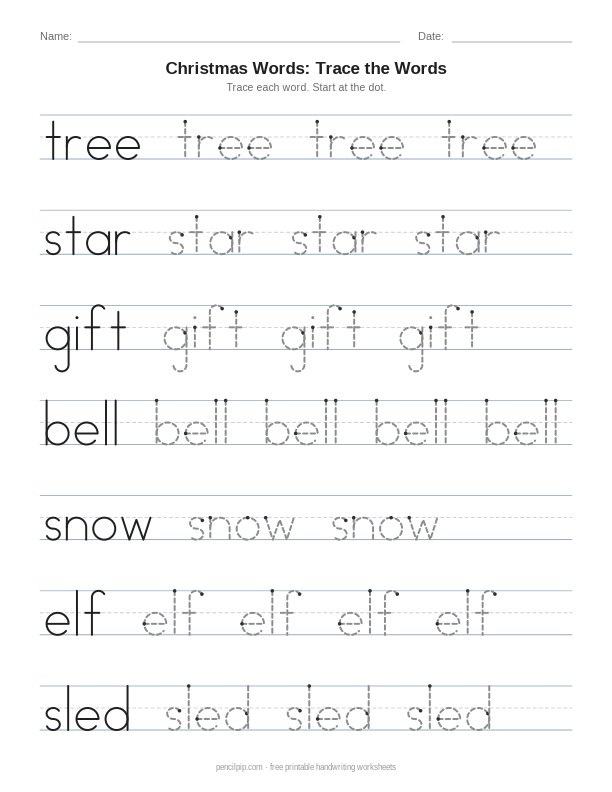
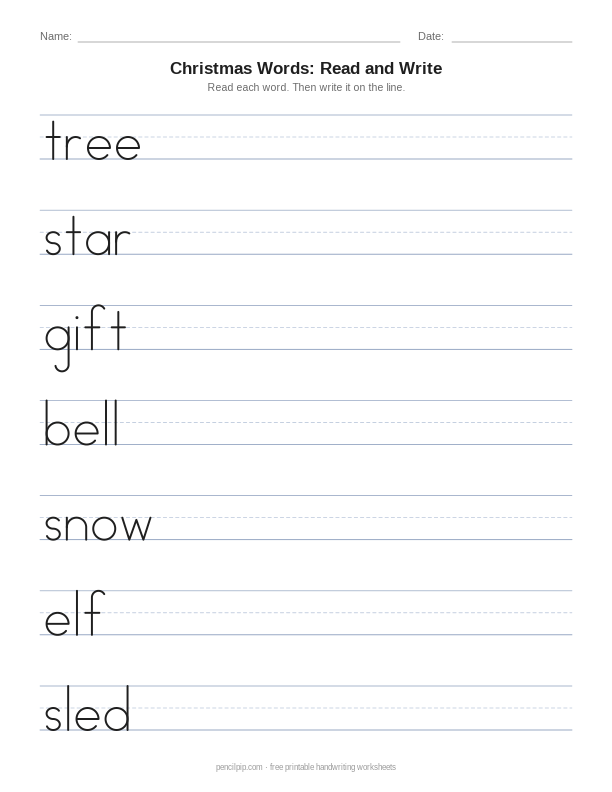
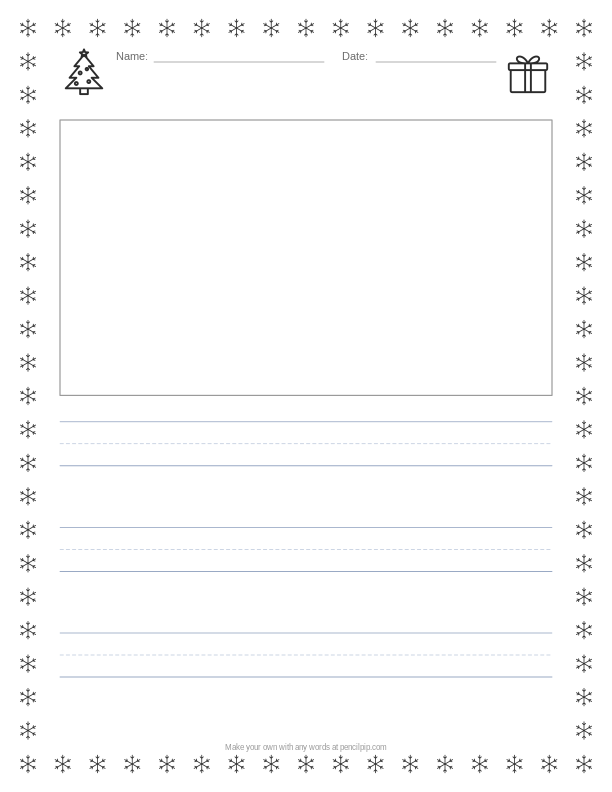
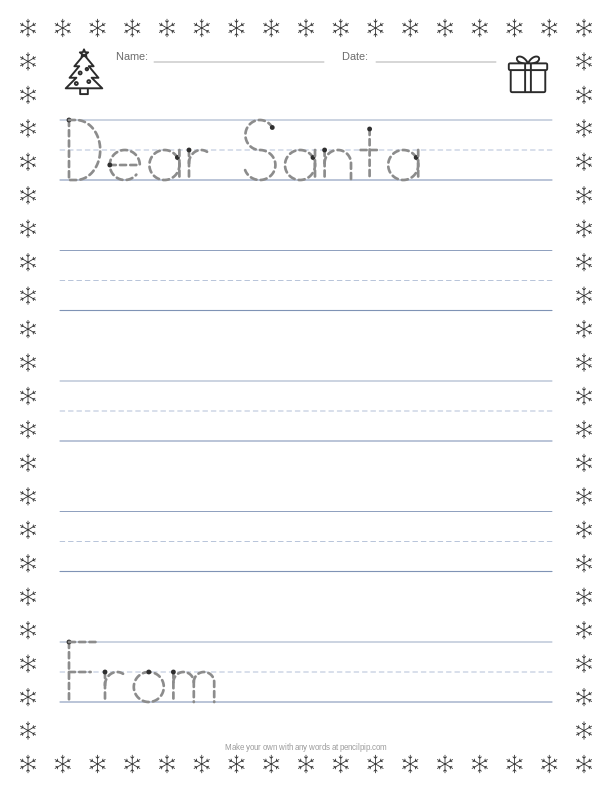
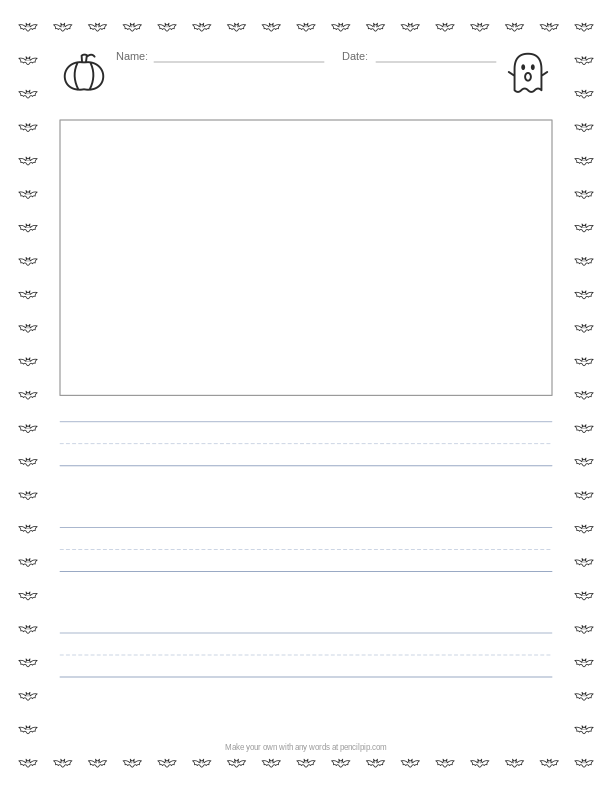
Halloween Holidays
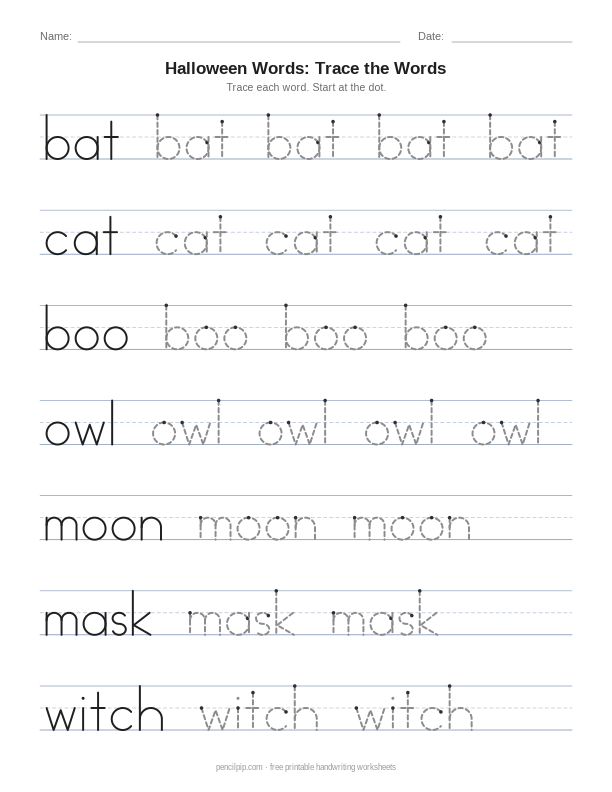
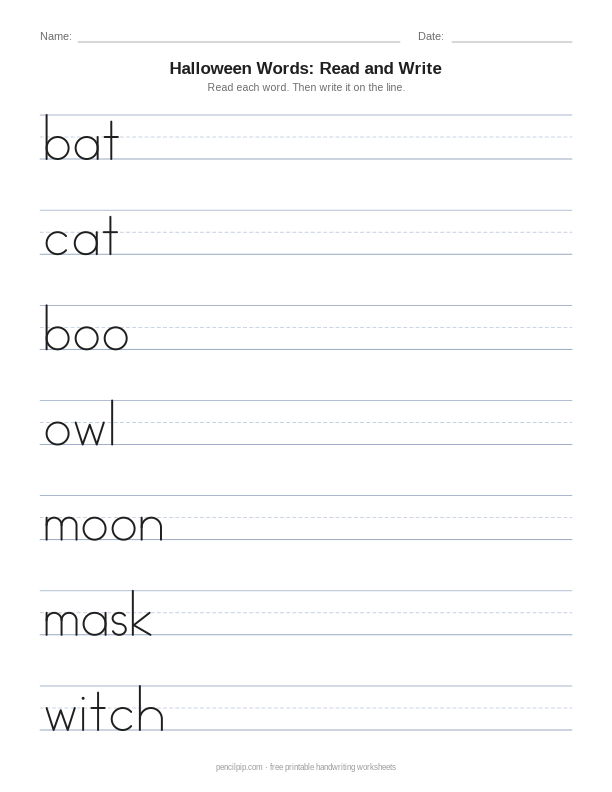
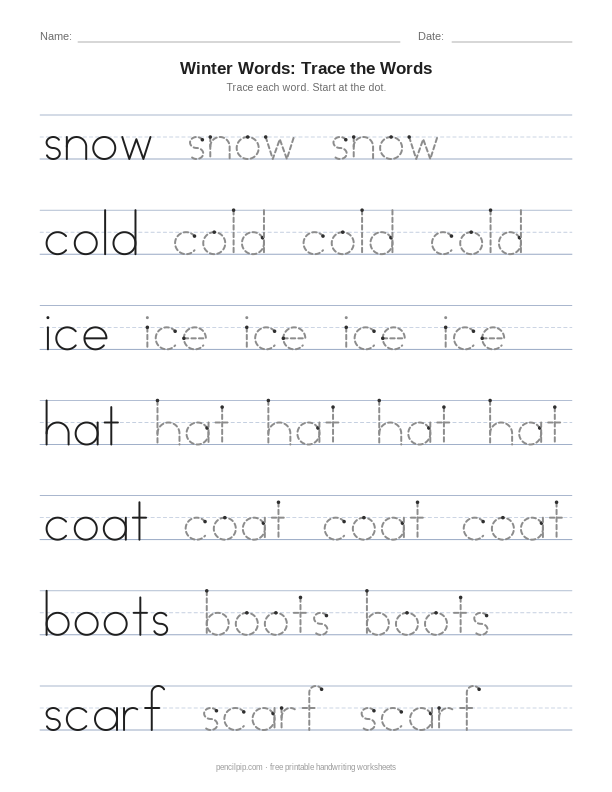
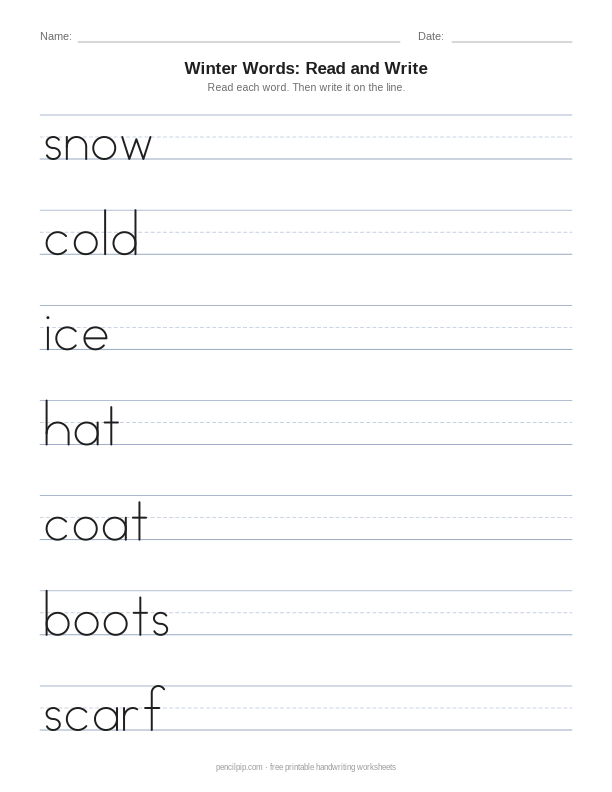
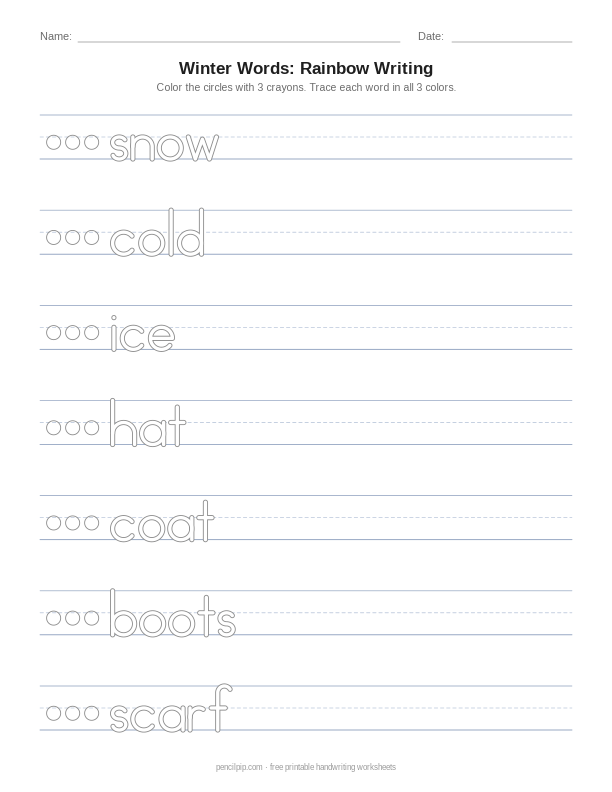
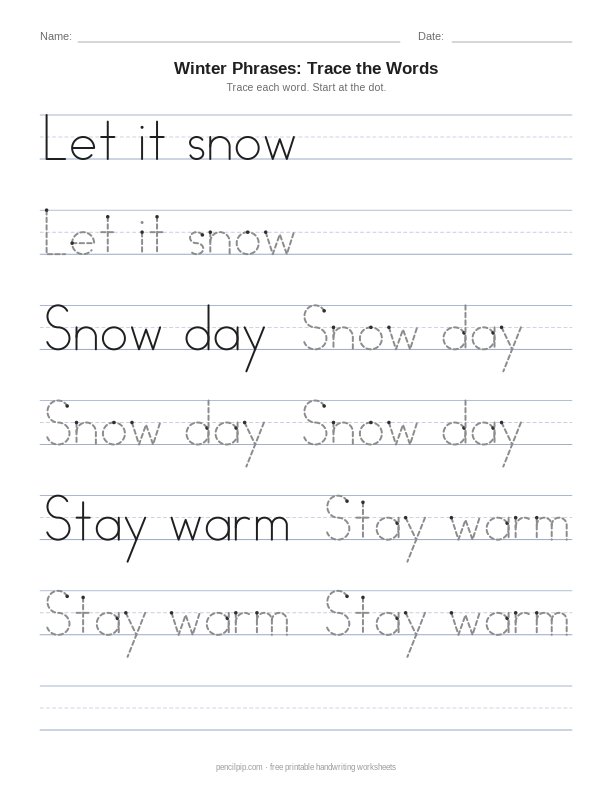
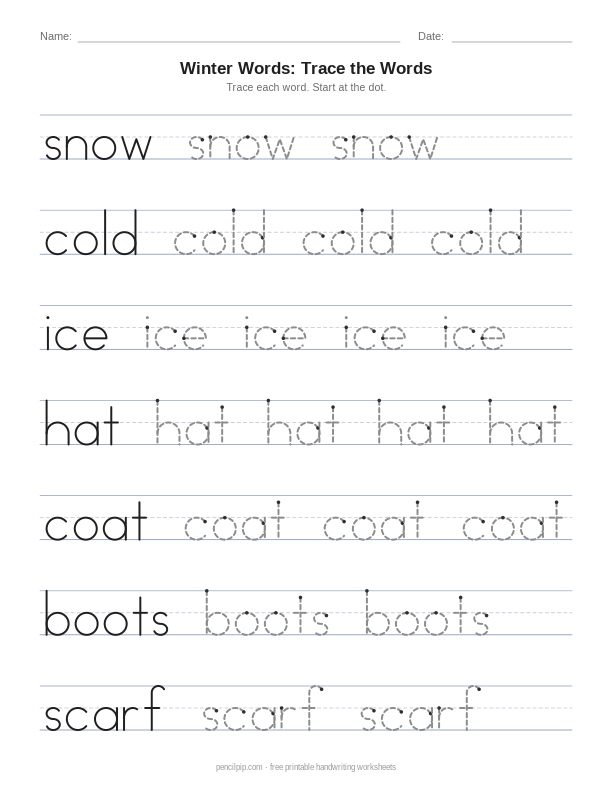
Winter Holidays
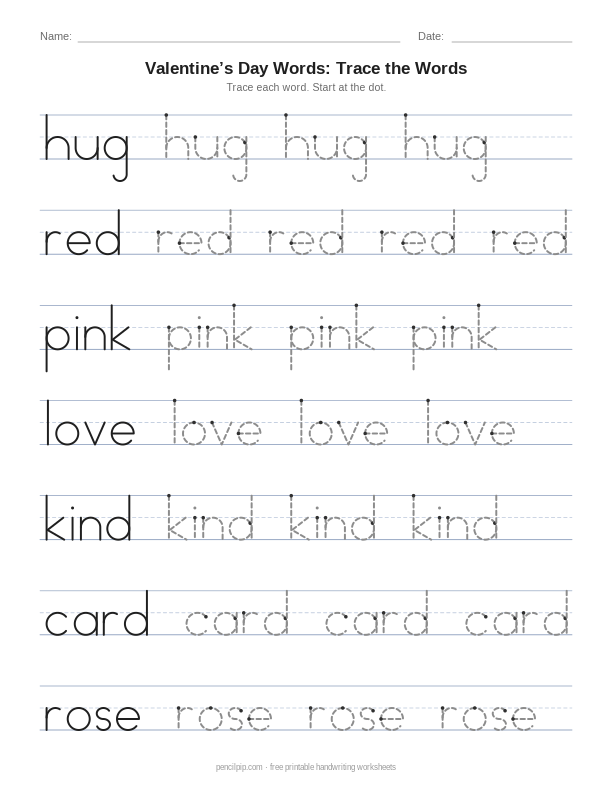
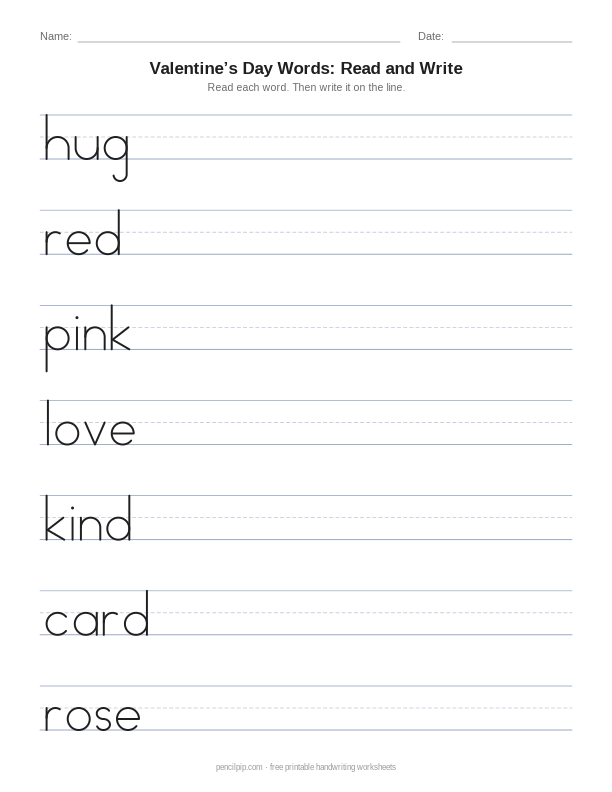
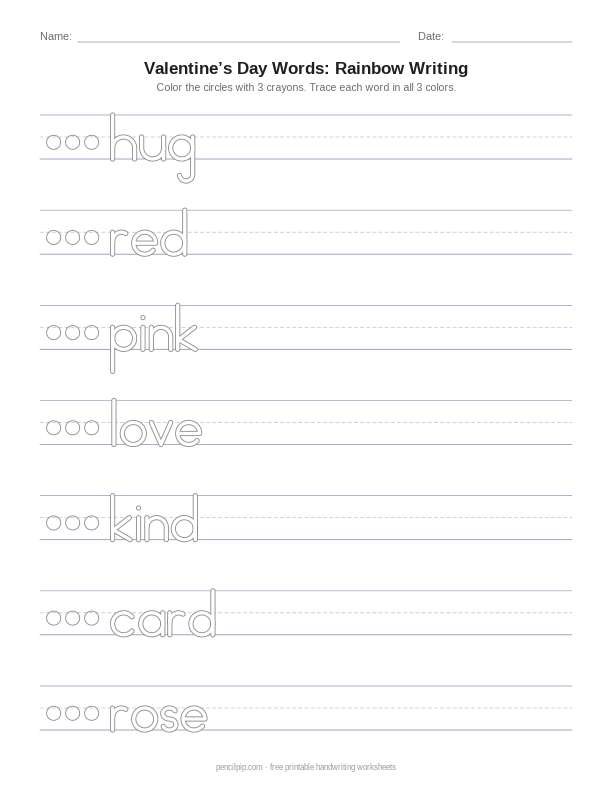
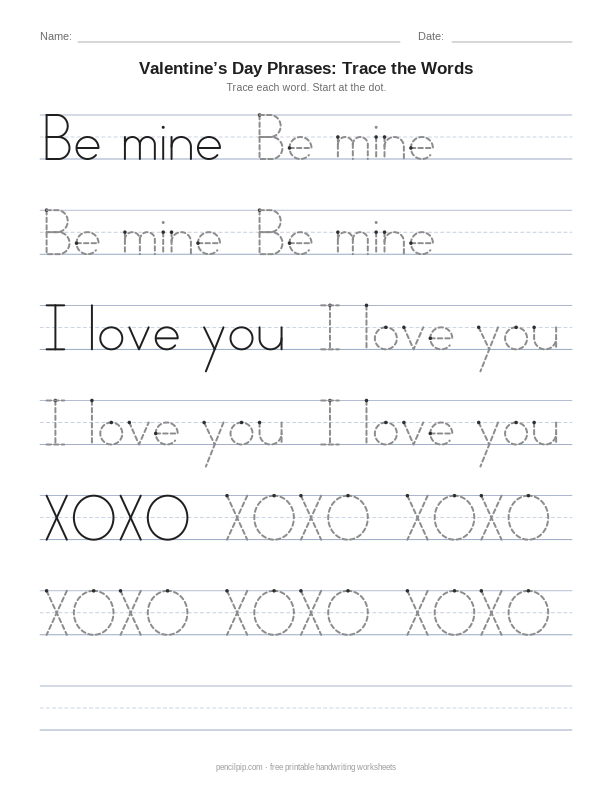
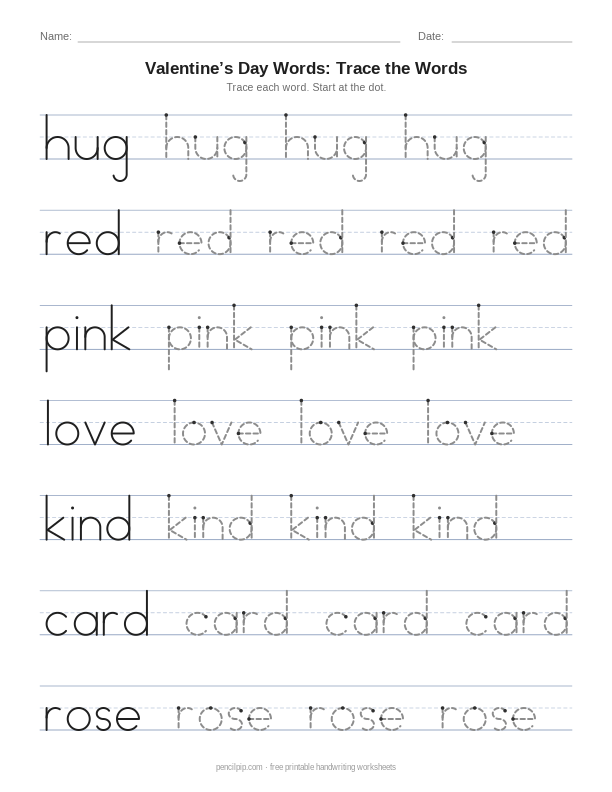
Valentine’s Day Holidays
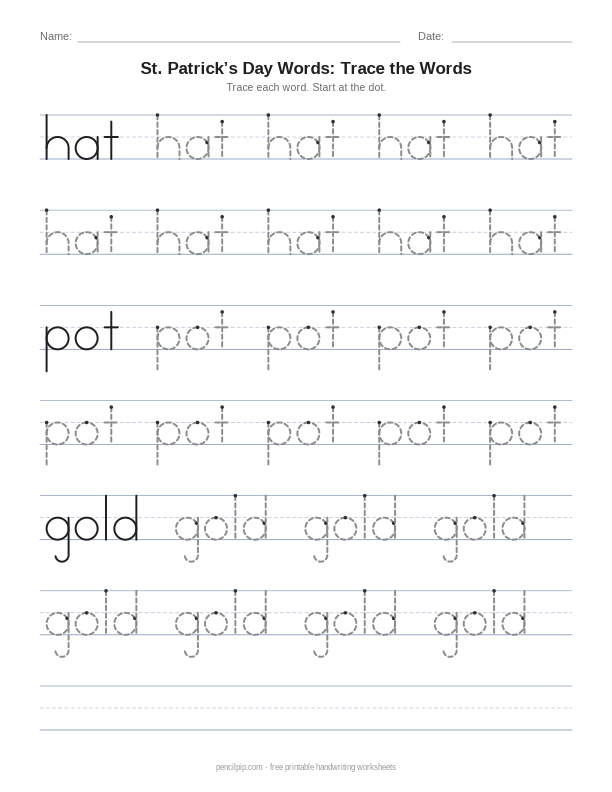
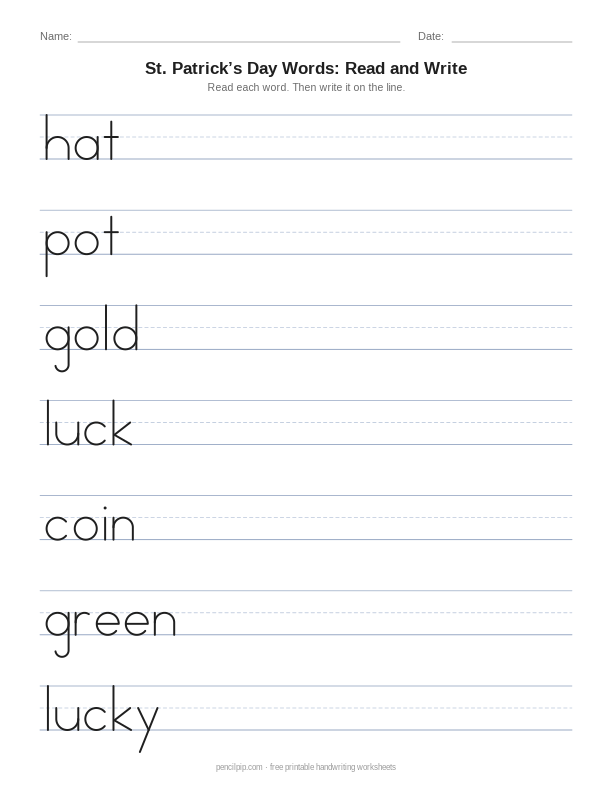
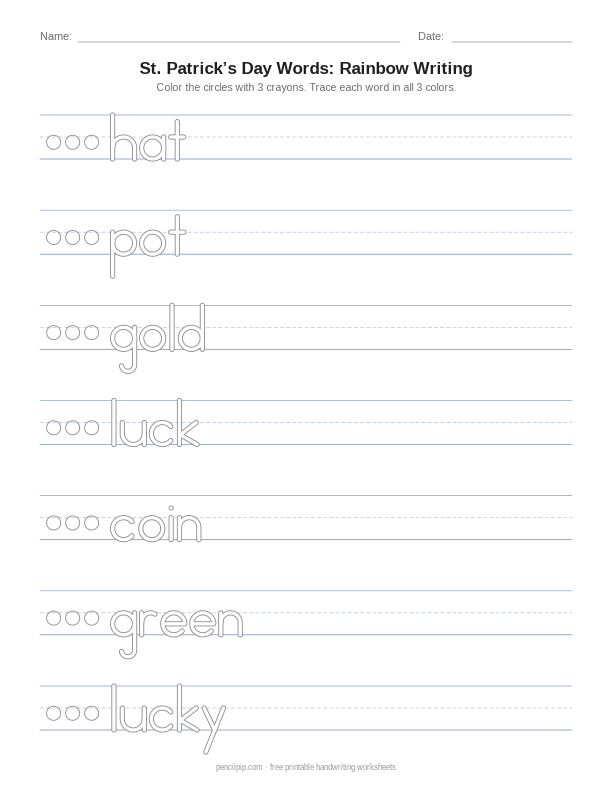
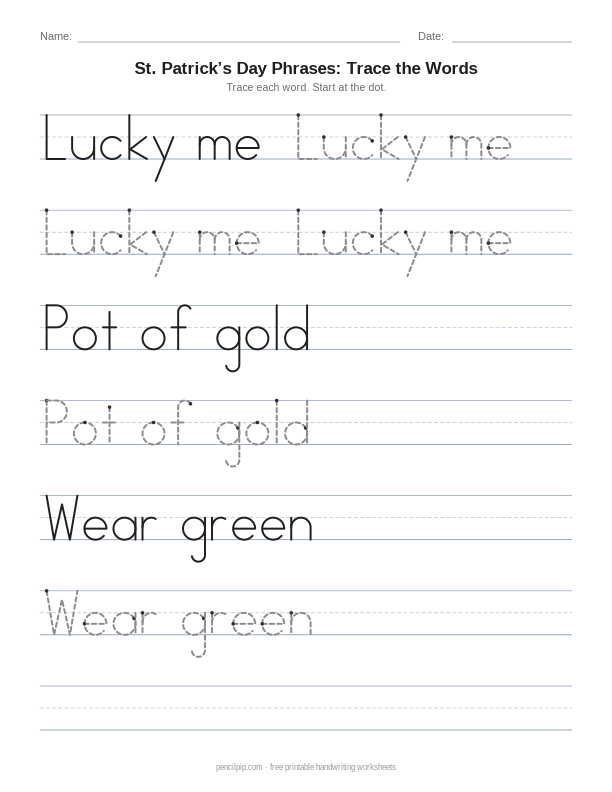
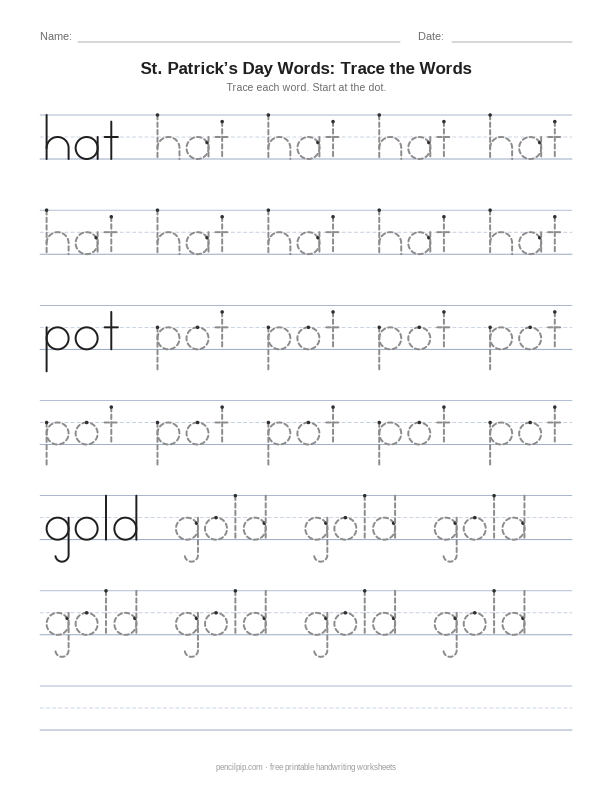
St. Patrick’s Day Holidays
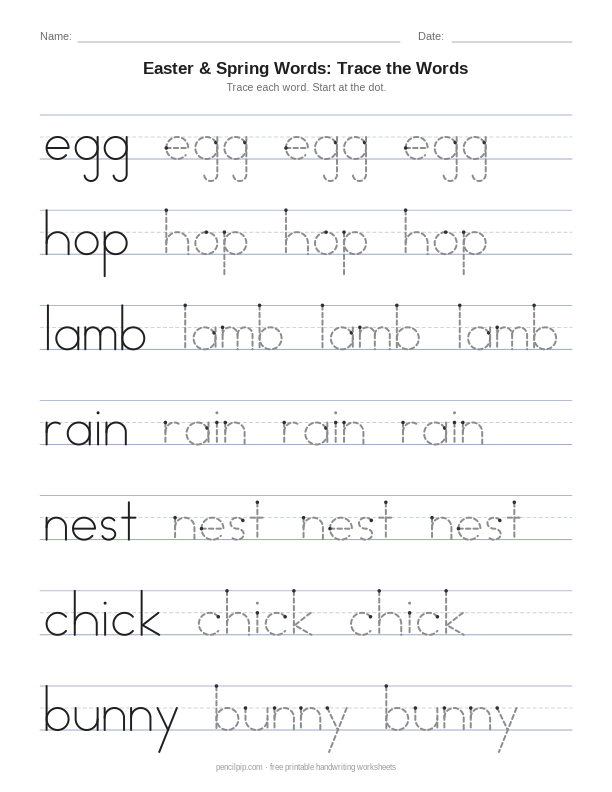
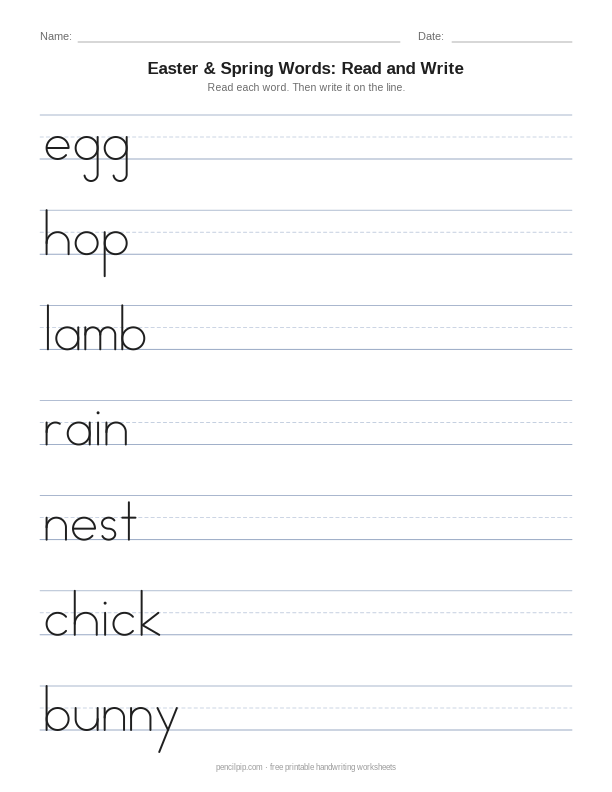
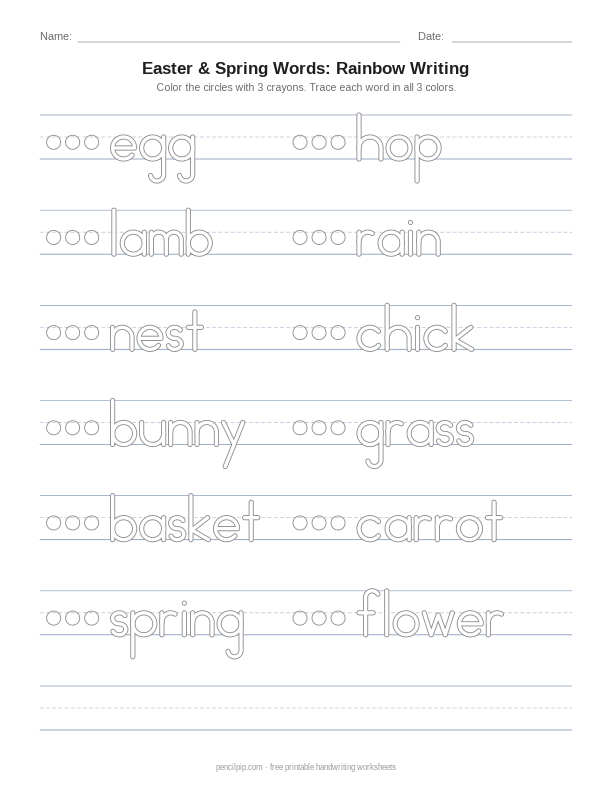
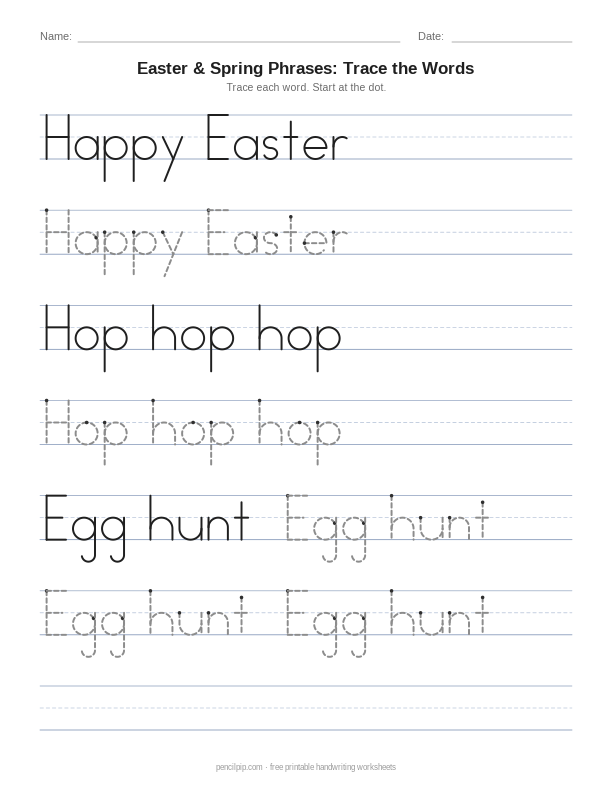
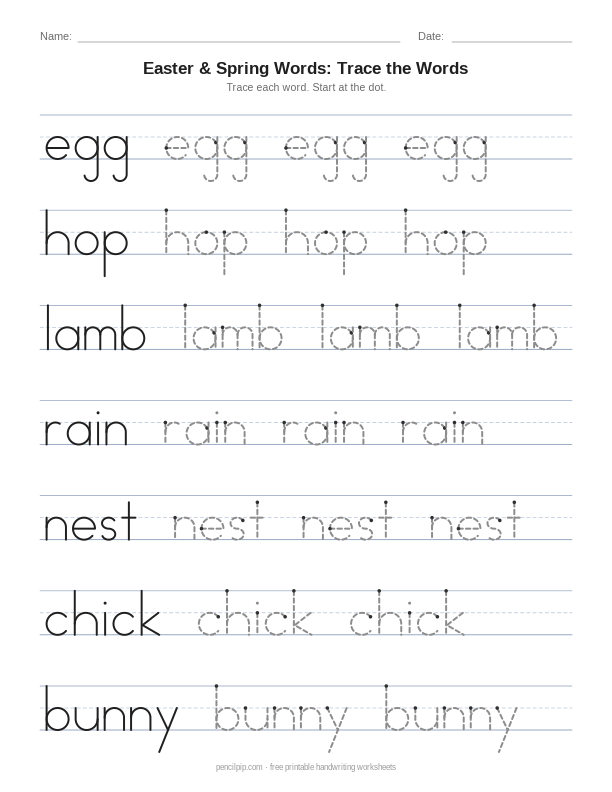
Easter & Spring Holidays
More holiday worksheets:HalloweenThanksgivingChristmasHanukkahWinterValentine’s DaySt. Patrick’s DayEaster & Spring
What kindergarteners are working on
Kindergarten is the year letters and numbers become automatic. By the end of the year, the Common Core standards used in many US states expect children to:
- Print many uppercase and lowercase letters.
- Write numbers from 0 to 20 and match a number to a group of objects.
- Read common high-frequency words by sight, such as the, of, to, you, she, my, is, are, do and does.
- Write a letter for most consonant and short-vowel sounds, and spell simple words the way they sound.
A year at a glance
Every classroom moves at its own pace, but a typical year builds like this:
- Fall: the letters in your child’s name, then straight-line and round letters; numbers 0 to 10.
- Winter: the rest of the alphabet in both cases; Dolch pre-primer sight words; numbers to 20.
- Spring: Dolch primer or Fry words, number words one to ten, and short words and sentences with spaces between words.
A 10-minute daily routine
- Warm-up (1 minute): write big letters in the air with a straight arm, or trace one row of lines.
- Letter (3 minutes): one letter page, saying the letter’s sound while tracing.
- Sight word (3 minutes): one row from this week’s set.
- Number (3 minutes): one number page, finished by coloring the ten frame.
Common questions
How neat should my kindergartener’s handwriting be?
Aim for letters that are formed correctly and easy to read, not perfect ones. Starting at the top, moving in the right direction and sitting letters on the line matter more than neatness at this age. Neatness and speed come with practice in 1st and 2nd grade.
Should kindergarteners trace or copy on their own?
Both. Tracing is best when a letter or word is new, because it shows the correct start and direction. Once that’s solid, move to the last lines on each letter and number page: cover the examples above with a hand and write from memory, using only the starting dots. The Customize option can still turn on fading if you want the tracing rows to get harder too.
What if my child is behind on letters?
Children start kindergarten with very different experience, and many catch up quickly. Focus on a few letters a week, starting with the ones in their name, and keep practice short and positive. If holding a pencil or forming letters is still very hard by the middle of the year, talk to the teacher — an occupational therapist can help with fine motor skills.