Letter Tracing Worksheets A–Z
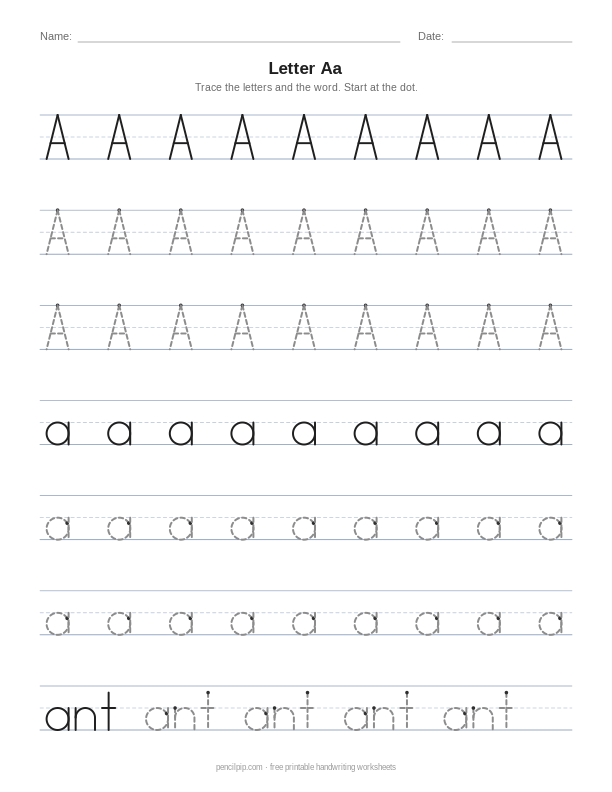
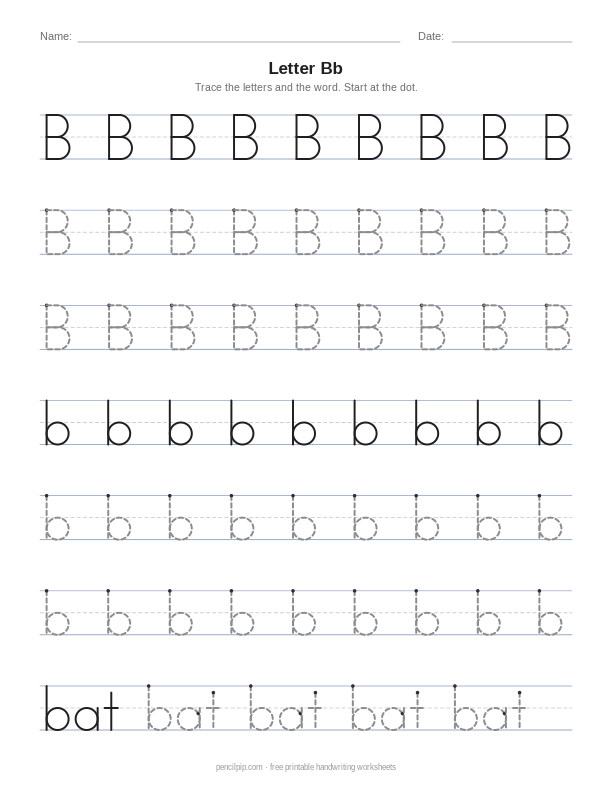
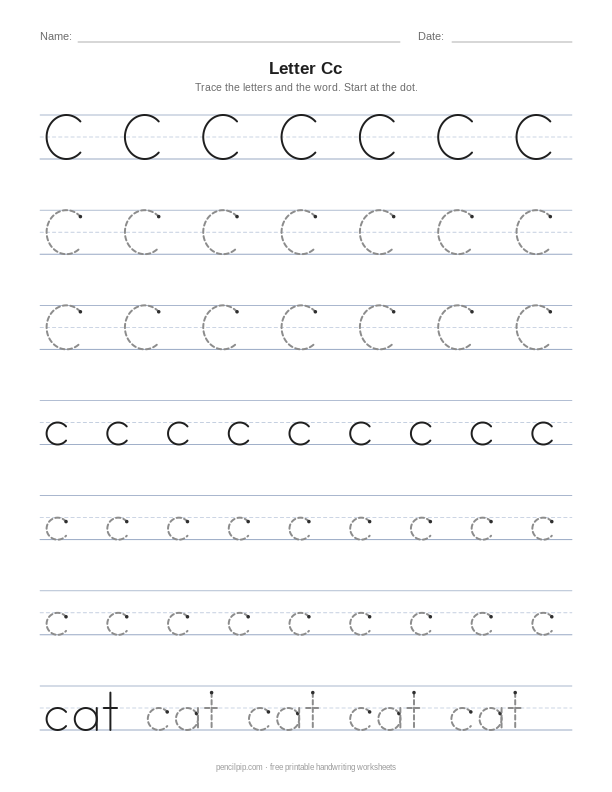
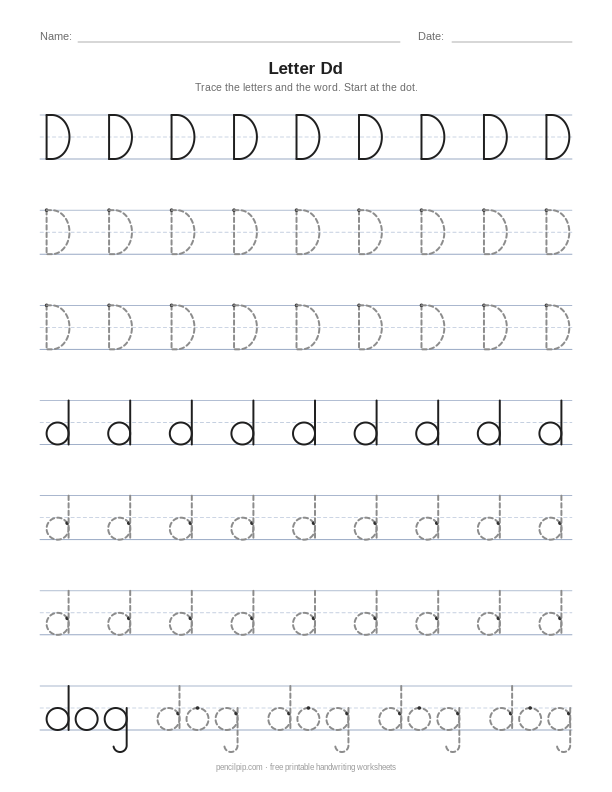
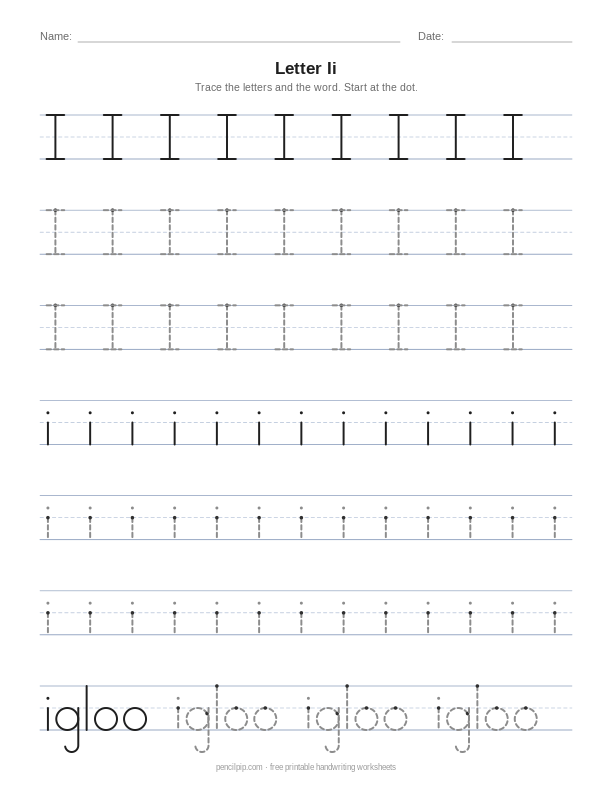
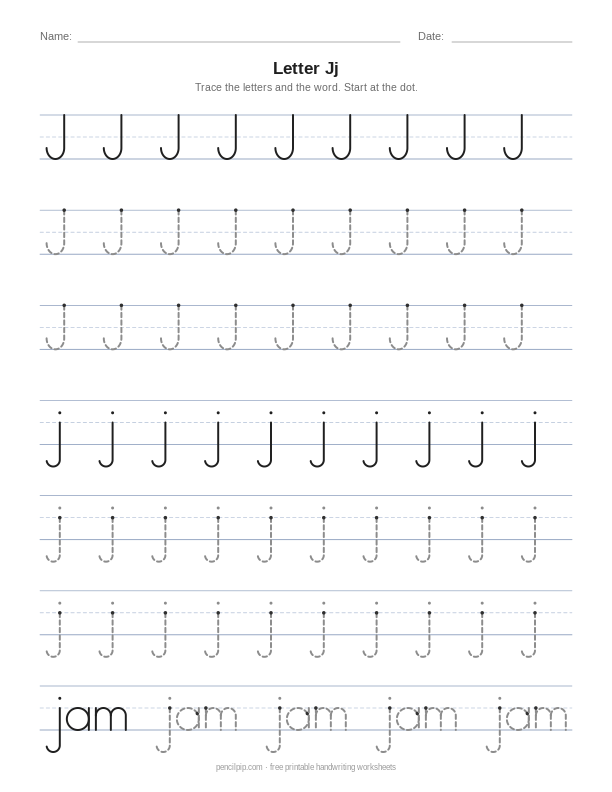
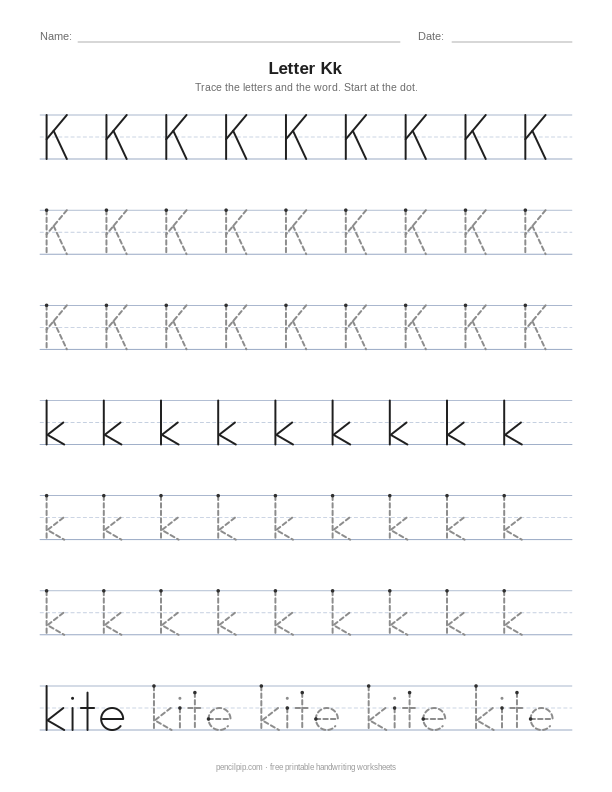
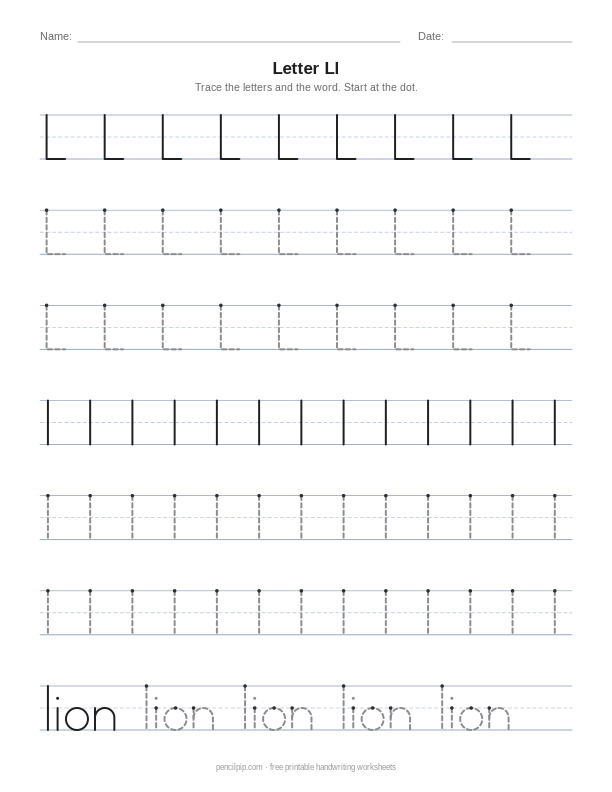
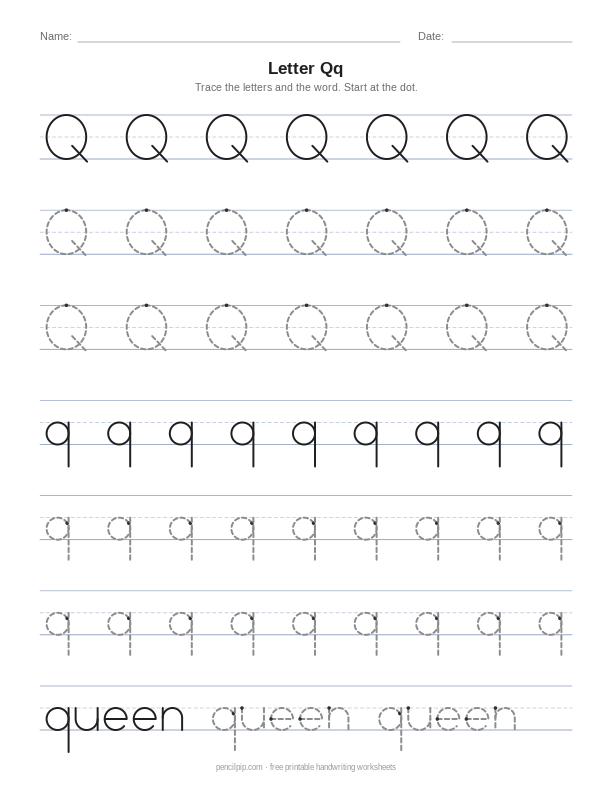
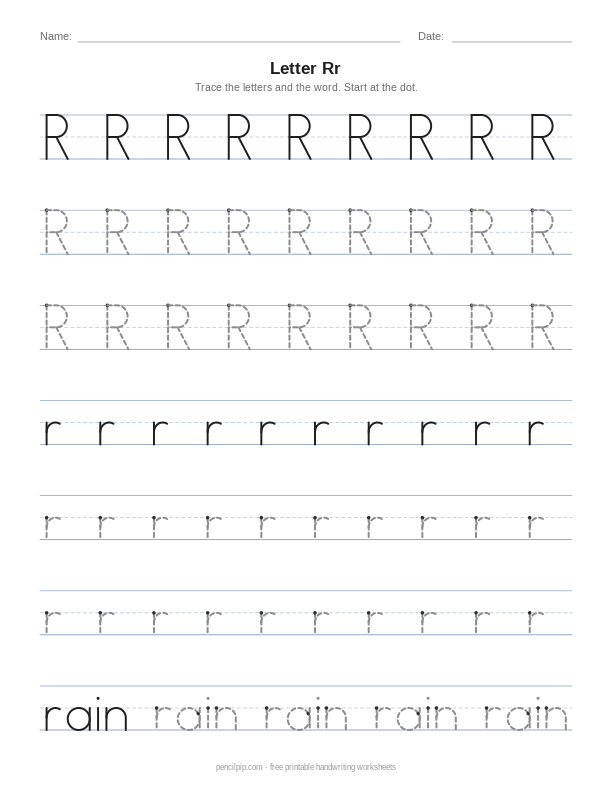
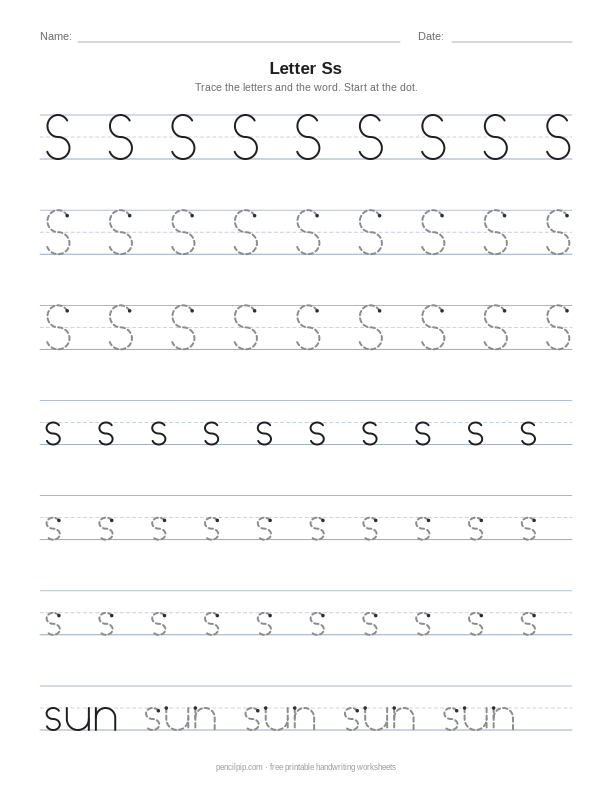
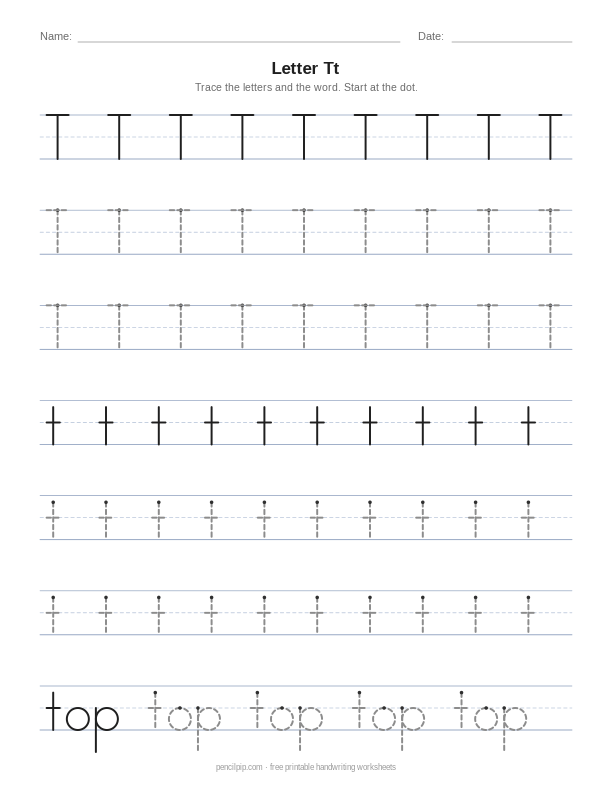
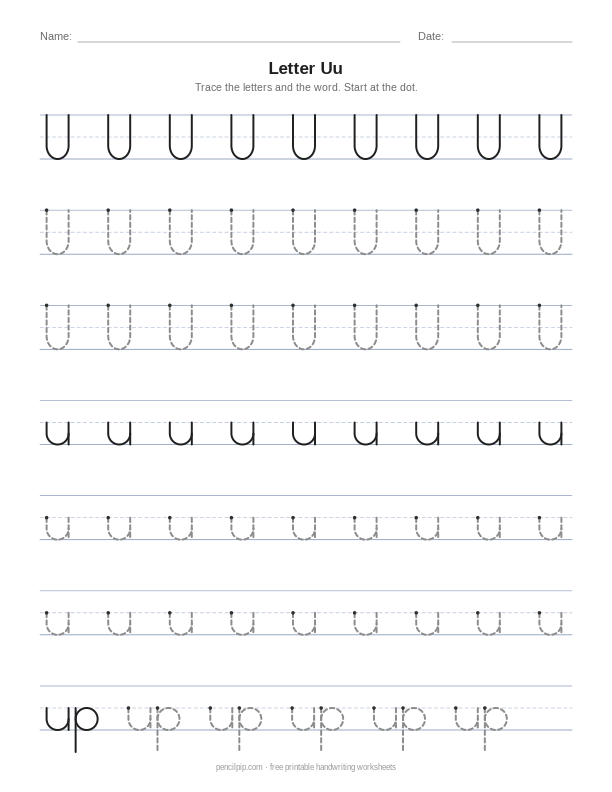
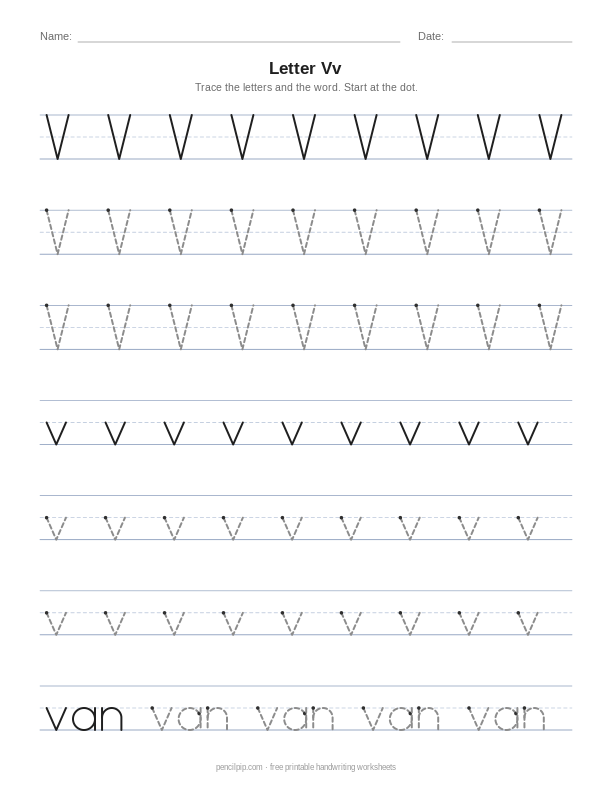
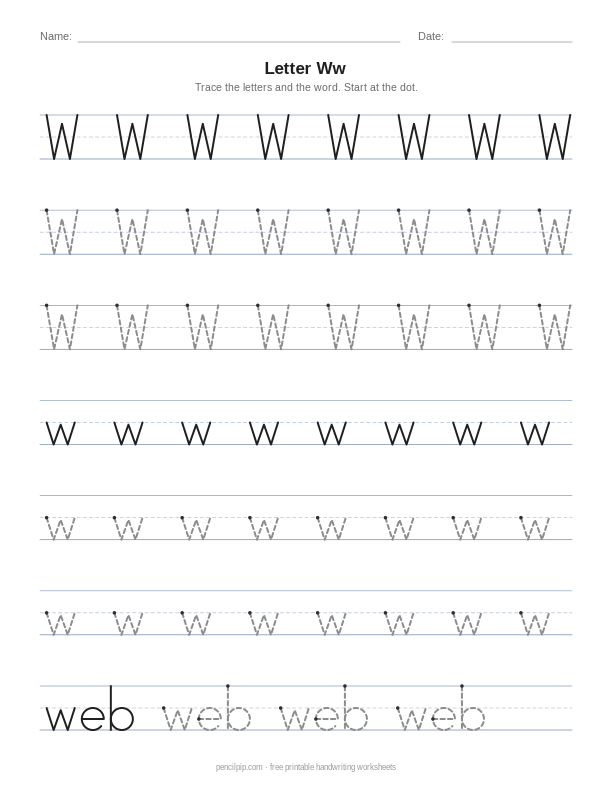
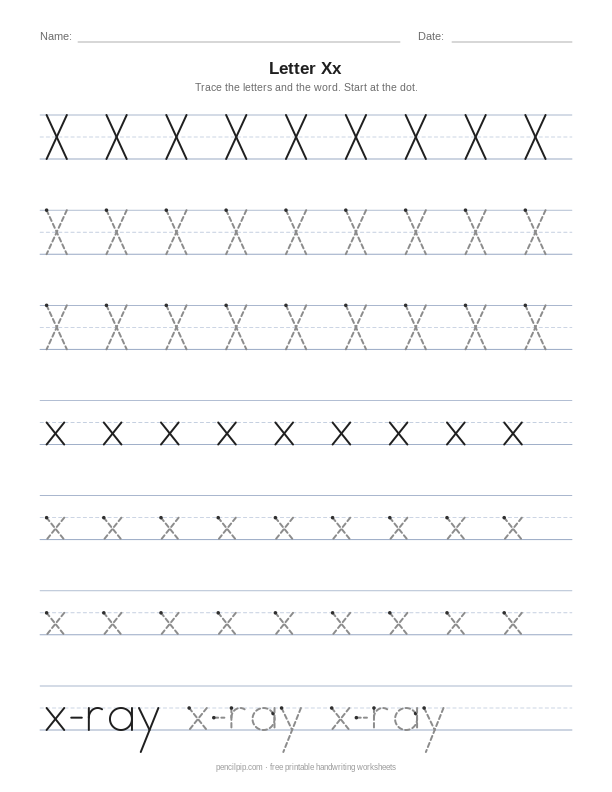
Choose a letter to see its worksheet. Each page has uppercase and lowercase tracing, a word that starts with the letter, and tips on how to form it.
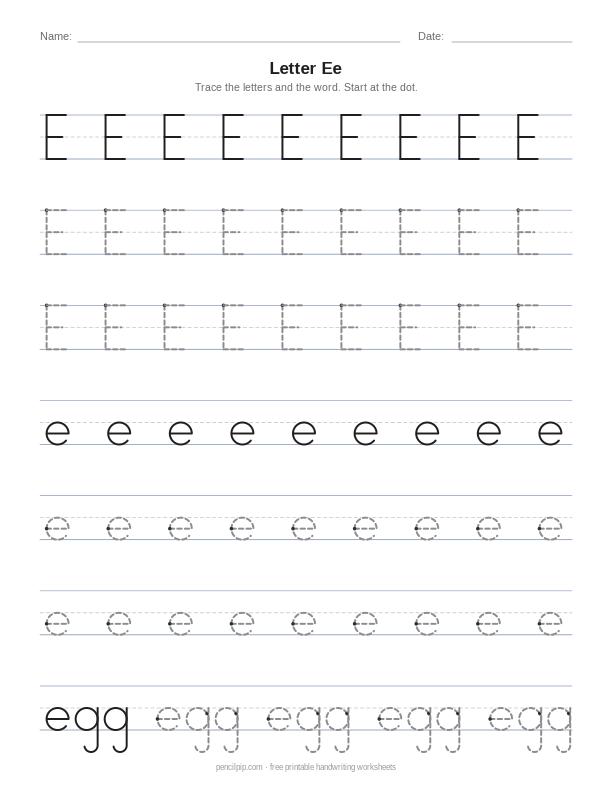
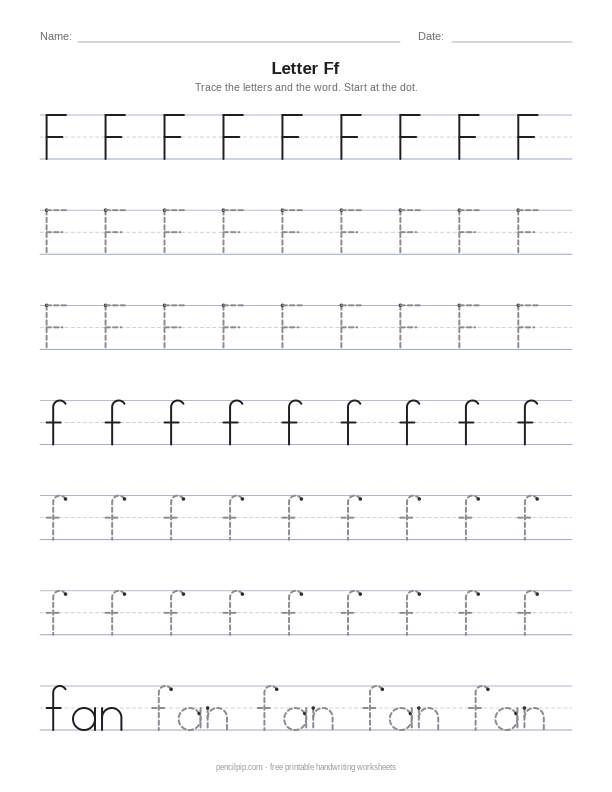
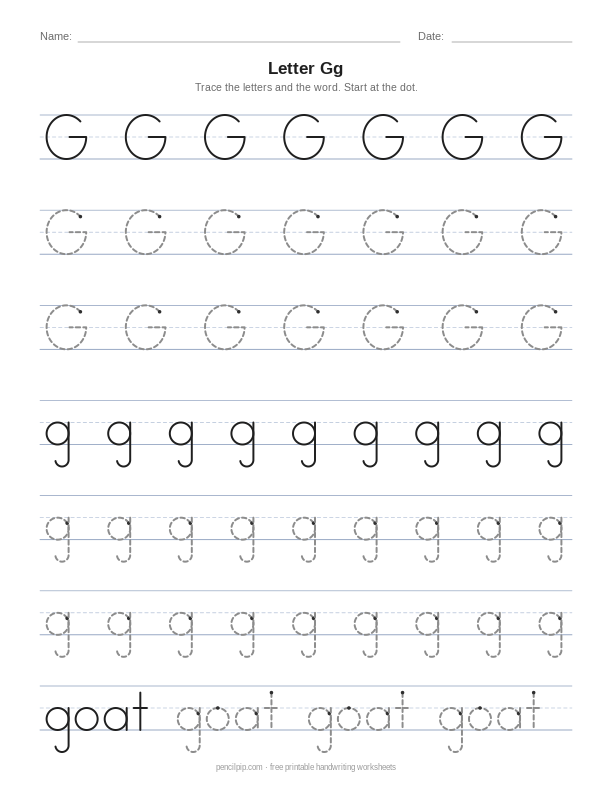
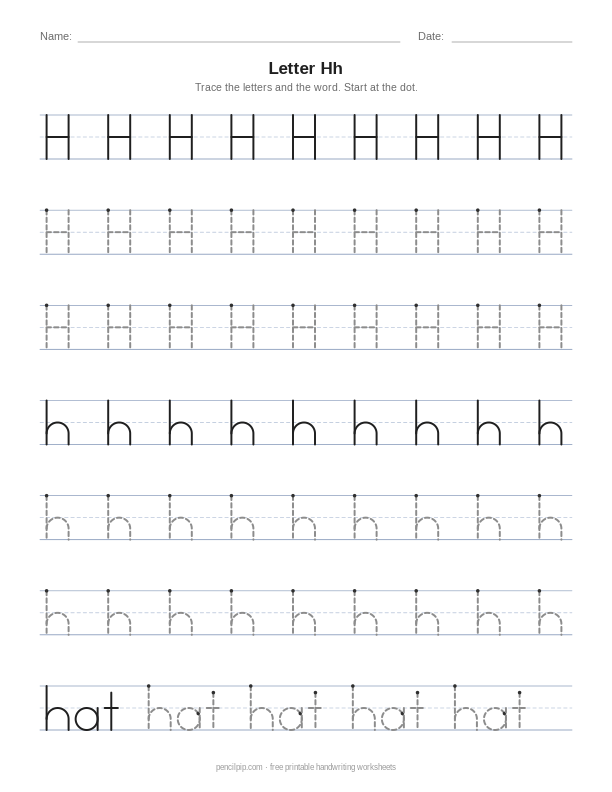
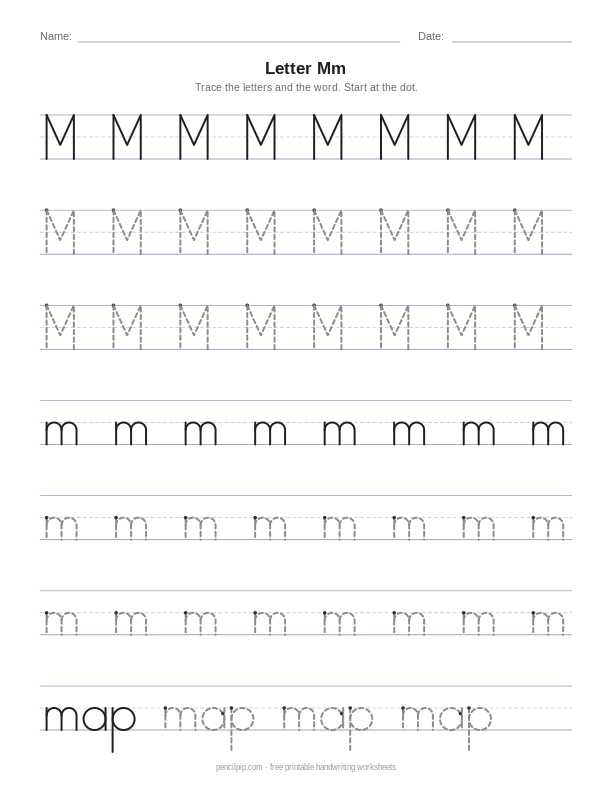
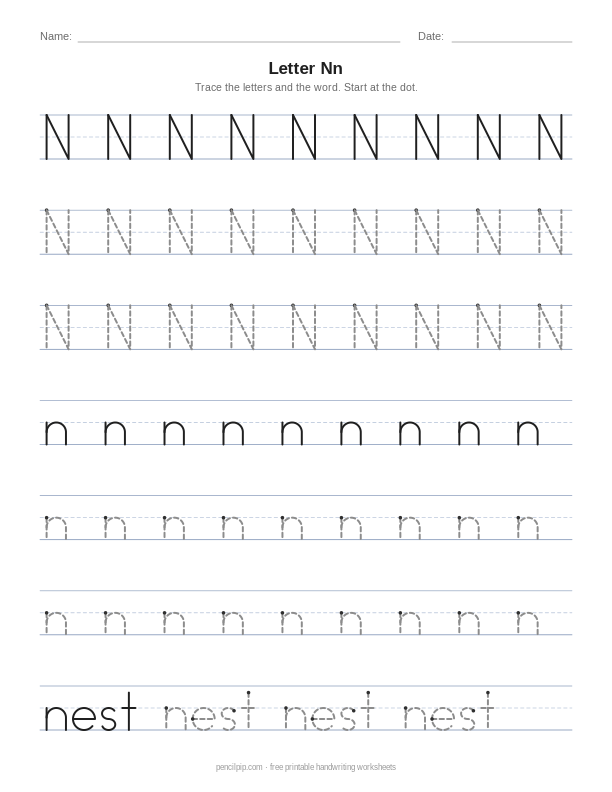
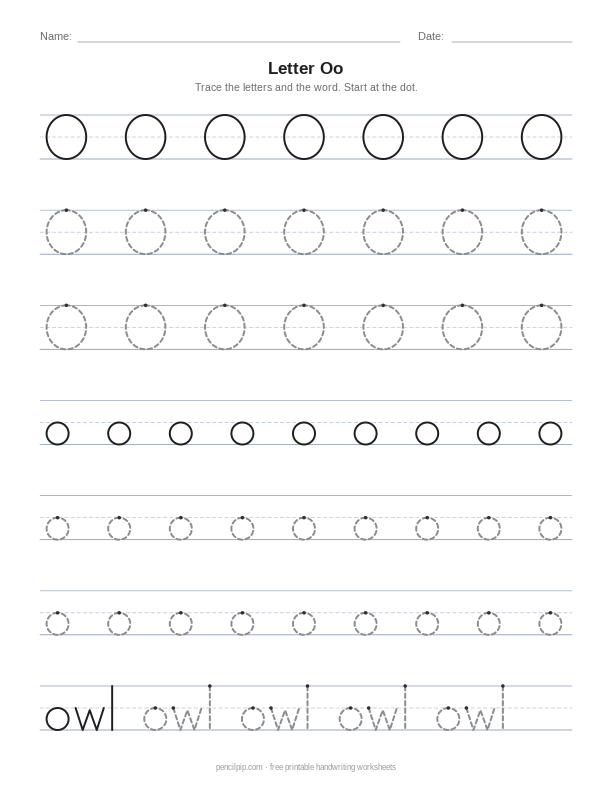
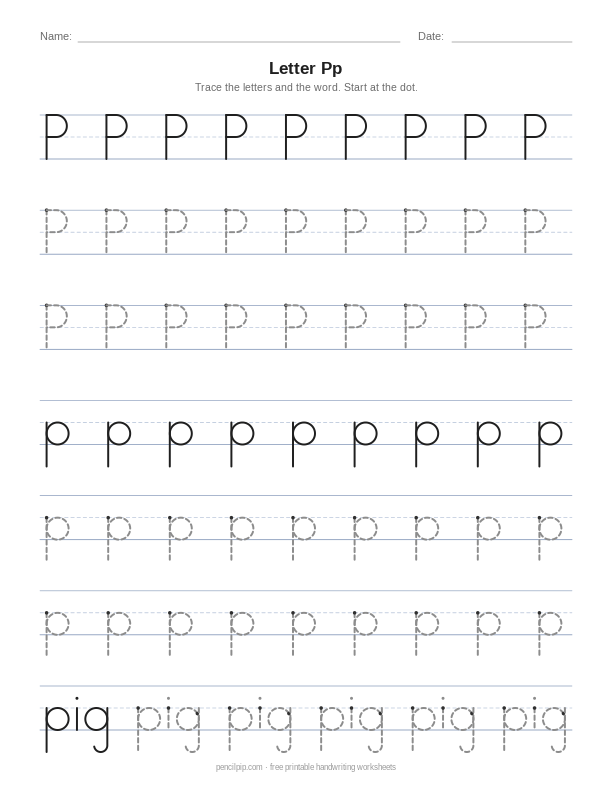
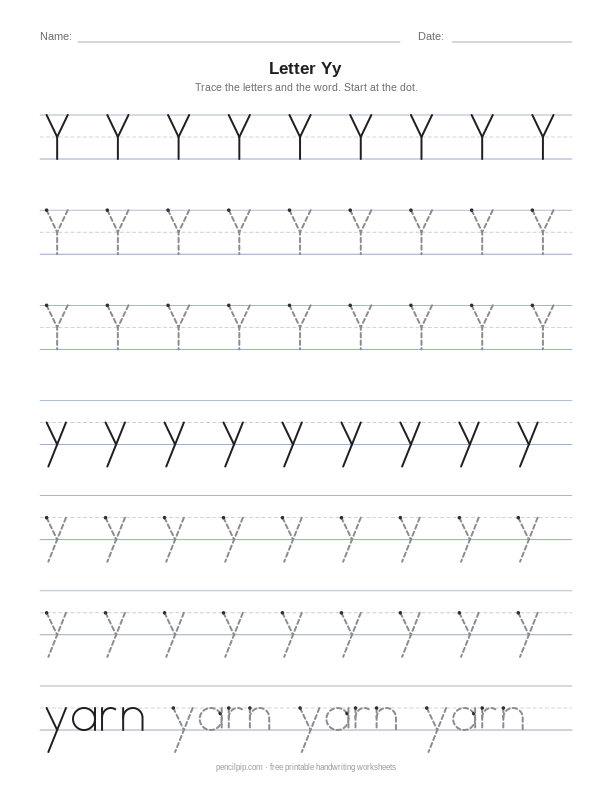
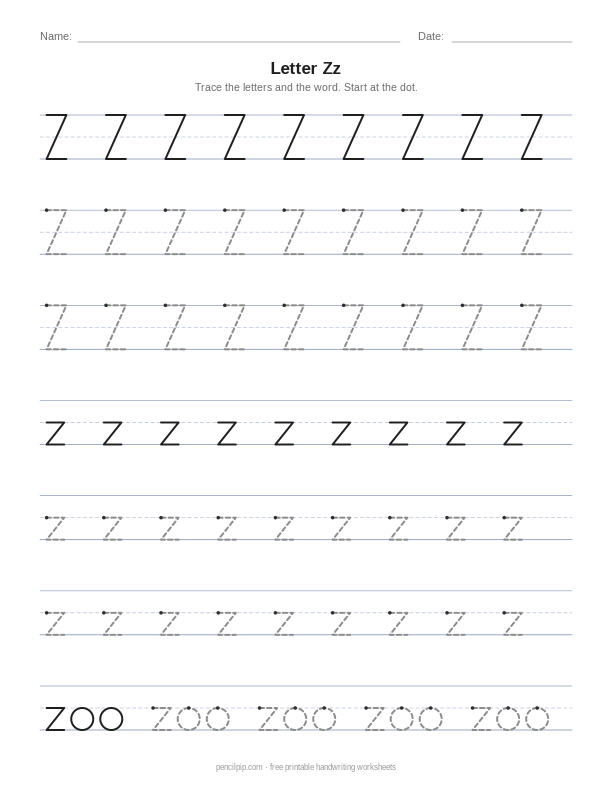
Where to start
Best for: Ages 4–6 (preschool to kindergarten) · Time: 5–10 minutes per letter
Begin with the letters in your child’s name, then add a few new letters each week. Our name tracing worksheet is a good companion, since children are usually most motivated by writing their own name.
- Start with 2–3 letters a week and revisit them daily.
- Group letters by stroke: c, o, a, d, g start with a curve; l, i, t, j are straight lines.
- Review old letters on the full alphabet pages once your child knows most of them.
Tips for letter tracing A–Z
- Say the letter’s name and sound while tracing.
- Most letters start at the top — the starting dots make that habit automatic.
- Practice a few letters a day rather than the whole alphabet at once.
Want different words, a bigger size or a class set? Open any worksheet and choose Customize, or make your own with the spelling worksheet maker.
Common questions
Should children learn uppercase or lowercase first?
Many teachers start with uppercase because the strokes are simpler, but lowercase letters make up most of what children read and write. The most practical approach is to learn the letters in your child’s name first, whichever case they use.
How many letters should we practice each week?
Two or three letters a week, practiced a little every day, works better than a full alphabet in one sitting. Children remember letters they have formed many times in short sessions.
Why do the letters have starting dots?
Almost every letter starts at the top. The dot shows where to begin, so correct letter formation becomes a habit that makes writing faster and neater later on.