Stair Steps Tracing Worksheet
Change the size, paper, tracing style or turn on trace & fade before printing.
About this worksheet
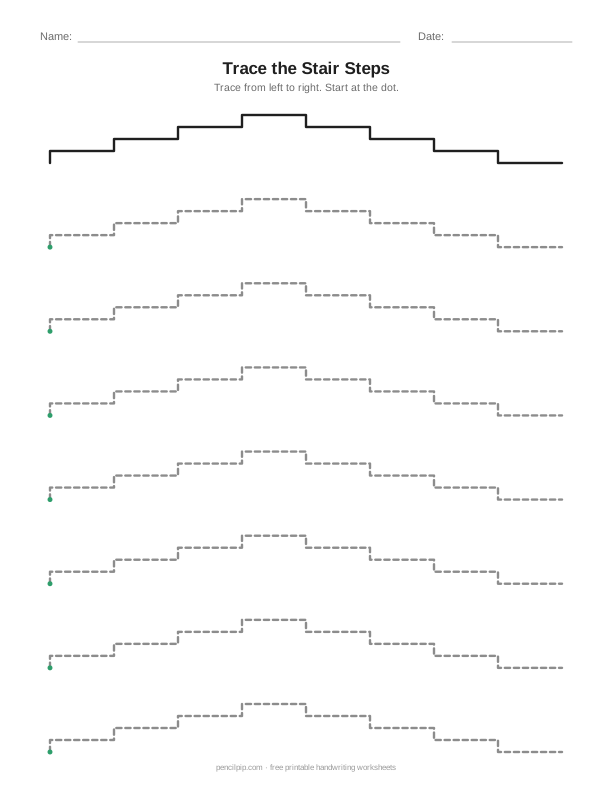
Stair steps build control of short straight strokes and sudden changes of direction.
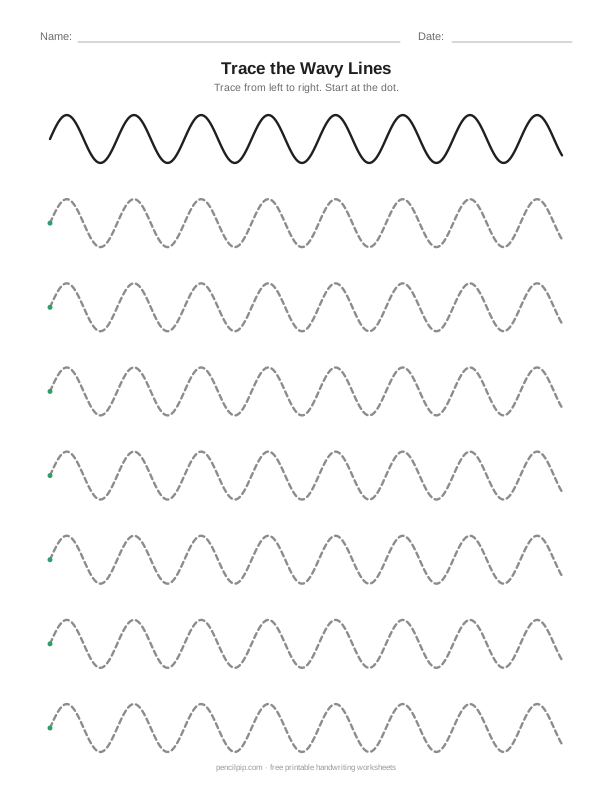
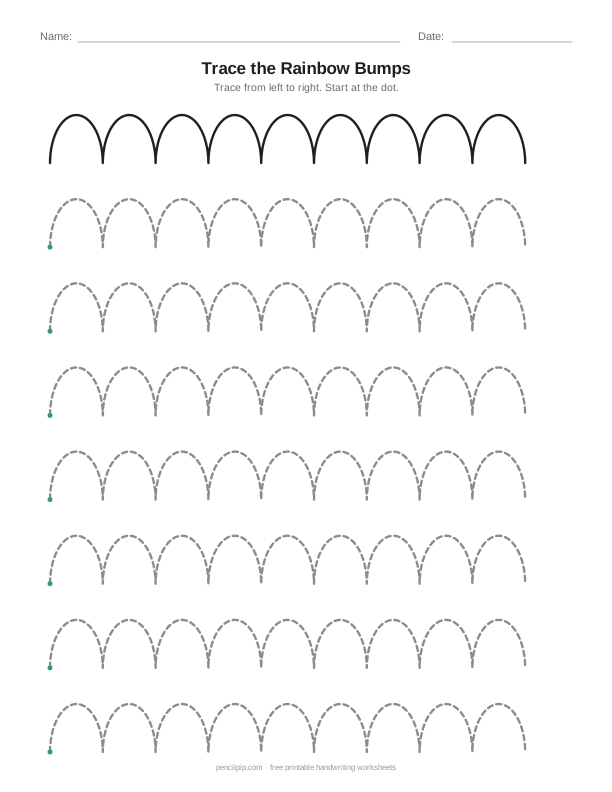
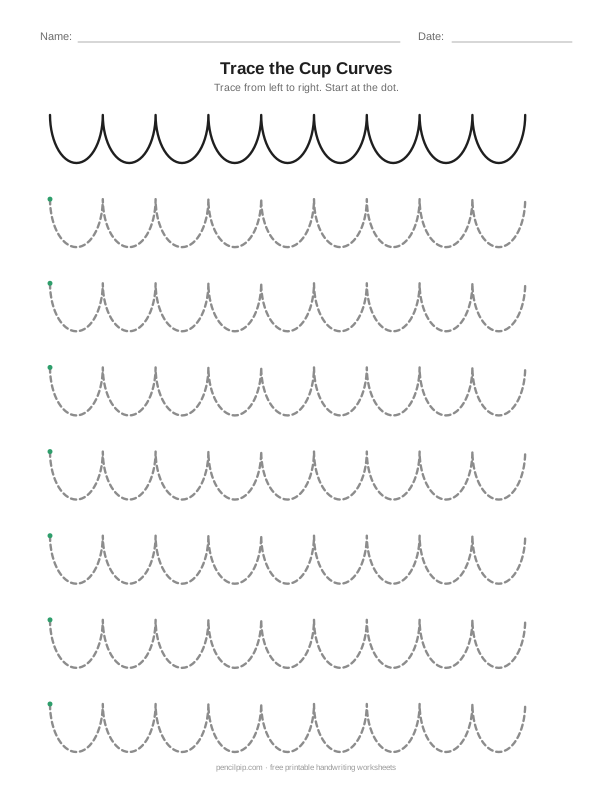
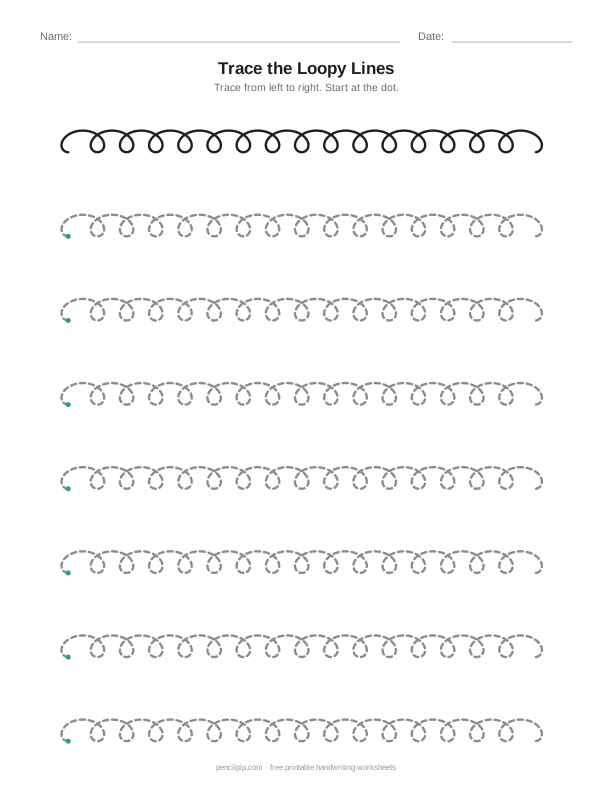
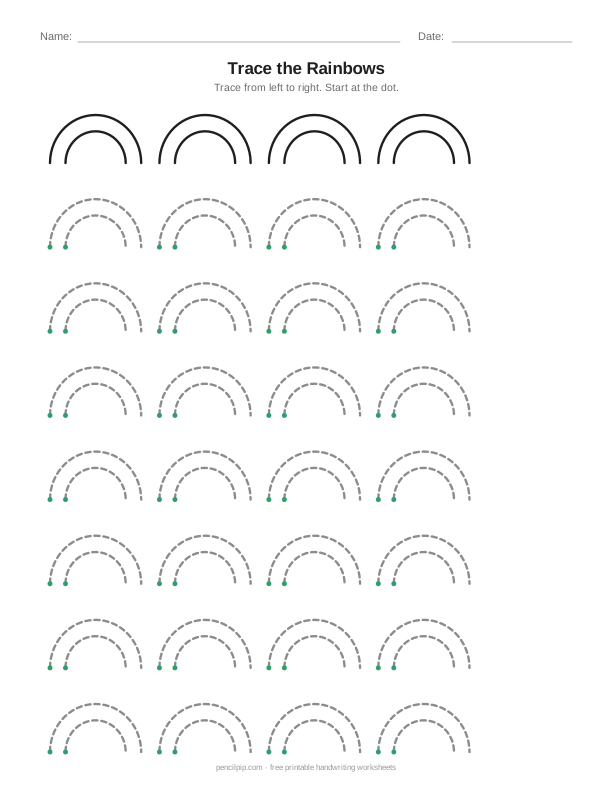
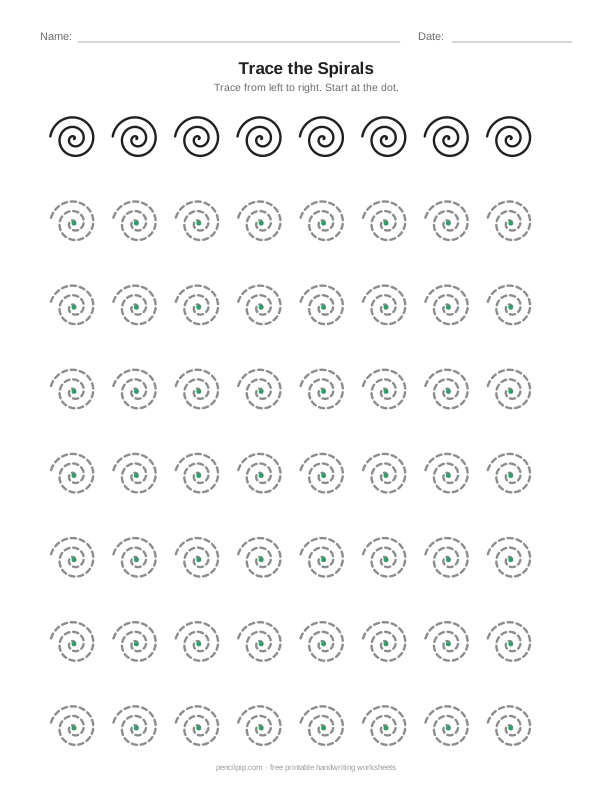
The first line is solid so children can see the whole movement. The rest are for tracing — the green dot shows where to start.
Tips
- Trace from left to right and from top to bottom, the same directions used for writing.
- Use a thick crayon or triangle pencil for small hands.
- Slip pages into a sheet protector and trace with a dry-erase marker to reuse them.
How to use this worksheet
- Sit at a table with feet flat on the floor and hold the paper still with the other hand.
- Trace the solid example line with a finger first, saying the direction out loud: “start at the dot and go across.”
- Let your child trace the dotted lines with a chunky crayon or pencil, starting at the green dot every time.
- Stop while it is still fun. One page is plenty — praise the effort, not how neat it is.
Printing tips
- Print at 100% (“Actual size”) on US Letter or A4 so the lines stay the right size.
- Plain copy paper works for pencils and crayons. Use slightly heavier paper if your child likes markers.
- Need a different size or tracing style? Choose Customize to change the paper, line size and tracing style before printing.
- Print one copy first to check the fit, then print as many as you need.
Common questions
What age are line tracing worksheets for?
Most children are ready between ages 3 and 4. Lines come before letters because they use the same strokes: a child who can trace a standing line and a circle is ready to try L, T and O.
My child keeps going outside the lines. Is that a problem?
No. Pencil control grows with practice. Try a thicker crayon, shorter sessions, and the Customize option for larger lines. If it stays frustrating, take a break and come back in a few weeks.
Which lines should we do first?
Start with straight lines (standing and sleeping), then slanted lines, then curves and waves. Loops and spirals are the hardest, so they come last.